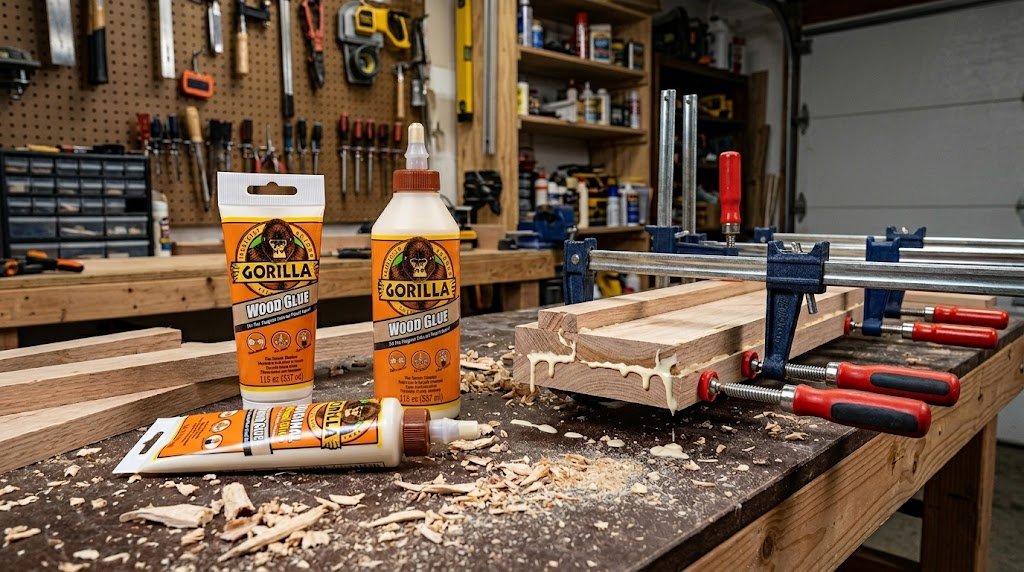
Gorilla Glue got somewhere it shouldn’t be. On your hands, on the countertop, on your favorite jeans. You tried pulling it off and realized this isn’t regular glue—it’s polyurethane adhesive that expands, foams, and bonds permanently to almost anything.
The good news: dried Gorilla Glue can be removed from most surfaces if you use the right approach. The trick is matching the method to the surface—what works on metal will ruin plastic, and what’s safe for skin won’t touch wood.
How to Remove Dried Gorilla Glue
For skin: soak in warm soapy water, then use coconut oil or petroleum jelly to loosen and peel it off. For hard surfaces (metal, glass, tile): use acetone or a heat gun, then scrape. For wood: use mineral spirits and a plastic scraper—avoid acetone which strips the finish. For fabric: acetone on cotton only, test first. Never use acetone on plastic—it melts on contact.
Jump to Your Surface
Pick the surface — get the fix.
How to Remove Dried Gorilla Glue from Skin & Hands
This is the most common Gorilla Glue emergency. Don’t panic and don’t pull—you’ll tear skin. The polyurethane bond is strong but it sits on top of your skin, not inside it. Oil and patience will get it off.
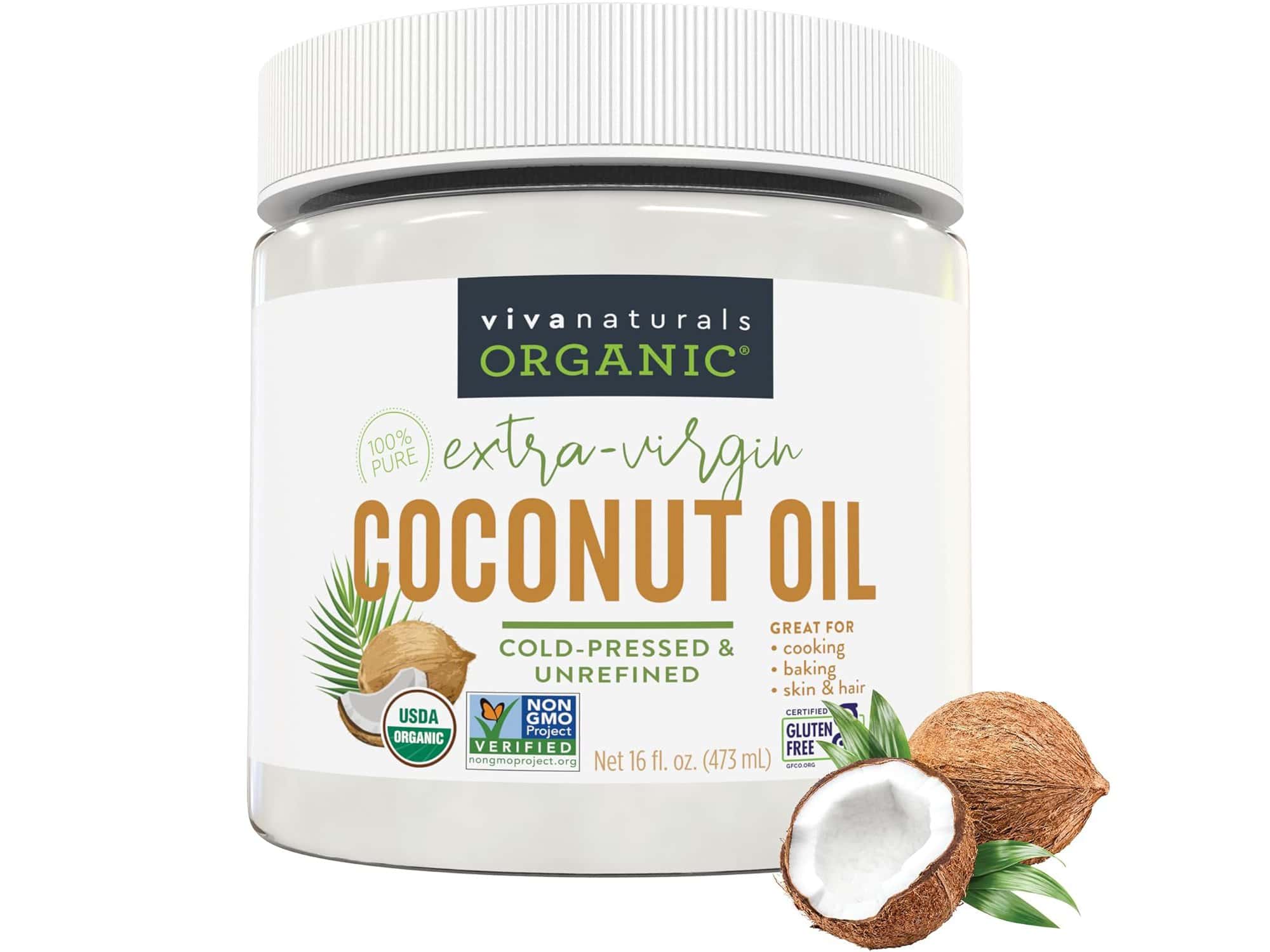
Coconut Oil
Loosens the glue bond without irritating skin. Massage it into the edges of the dried glue. The oil seeps underneath and lets you peel the glue off gently.
Check Price on Amazon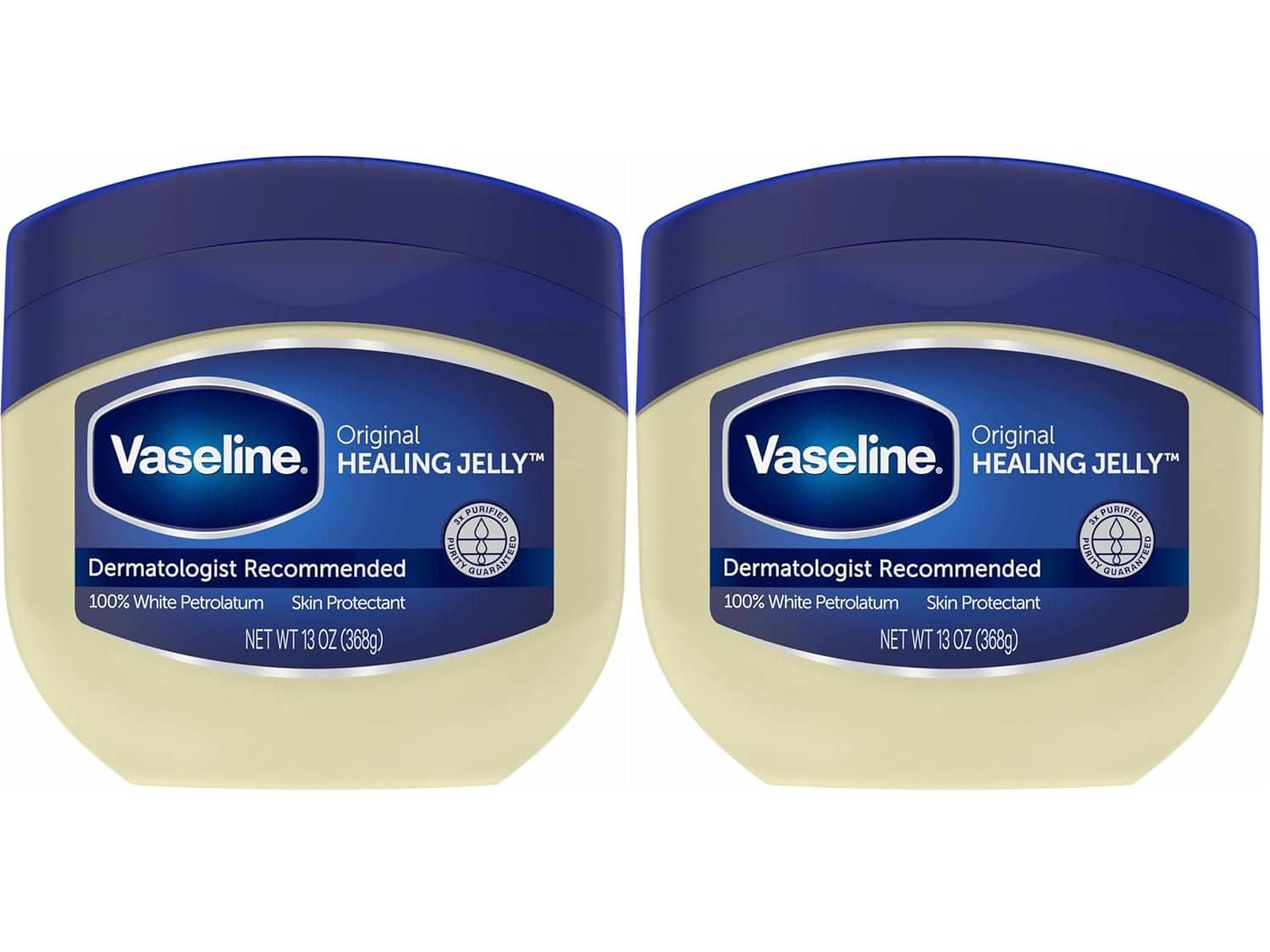
Petroleum Jelly (Vaseline)
Thicker than oil—stays in place on fingers and knuckles. Apply a thick layer over the glue, wrap loosely with cling film, and wait 15–20 minutes.
Check Price on Amazon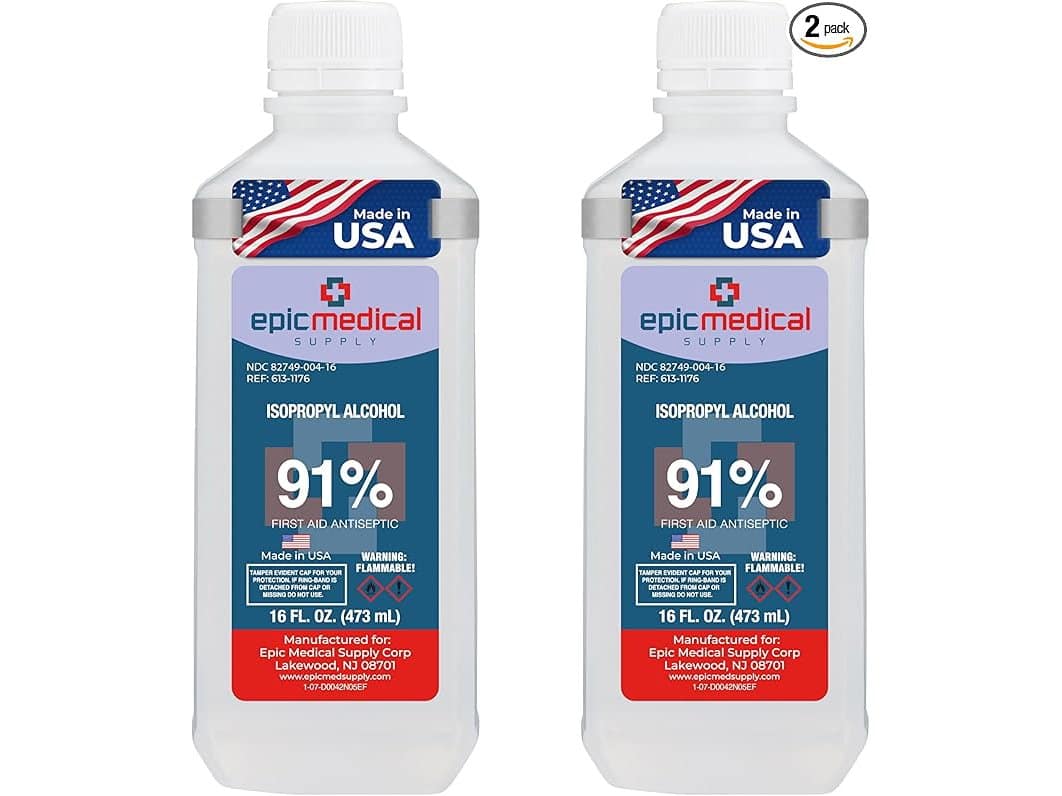
Rubbing Alcohol (91%)
For stubborn thin film that oil can’t lift. Apply with a cotton pad and rub gently. Use on small areas only—it dries out skin.
Check Price on Amazon- Soak your hands in warm soapy water for 10–15 minutes. This softens the glue slightly and loosens the edges. Don’t skip this step—dry glue grips harder.
- Rub coconut oil or petroleum jelly generously into the glue. Work it into every edge and underneath where possible. Let it sit for 10–15 minutes.
- Gently roll and peel the glue off. Start from the edges. It should come off in pieces. For stubborn spots, use a washcloth or pumice stone for gentle abrasion.
- For remaining thin film, use rubbing alcohol on a cotton pad. Rub in small circles until the residue dissolves.
- Wash with soap and water and apply moisturizer. The solvents and scrubbing can dry out your skin.
If Gorilla Glue bonds your fingers together, don’t force them apart. Soak in warm soapy water and gently work coconut oil between the fingers. The bond will release slowly. Forcing it can tear skin.
The exfoliating scrub method (from DIY forums): Mix coconut oil with sugar or salt to make a scrub. The grit helps physically break up the dried glue while the oil loosens the bond. Several people report this removes Gorilla Glue from hands faster than oil alone.
How to Remove Dried Gorilla Glue from Wood
Gorilla Glue on wood is tricky because the strongest solvents (acetone) also strip wood finish. You need a gentler approach—mineral spirits for finished wood, or sanding for bare wood. The expanded foam texture of dried Gorilla Glue actually helps here: it’s easier to chip off than flat adhesives.
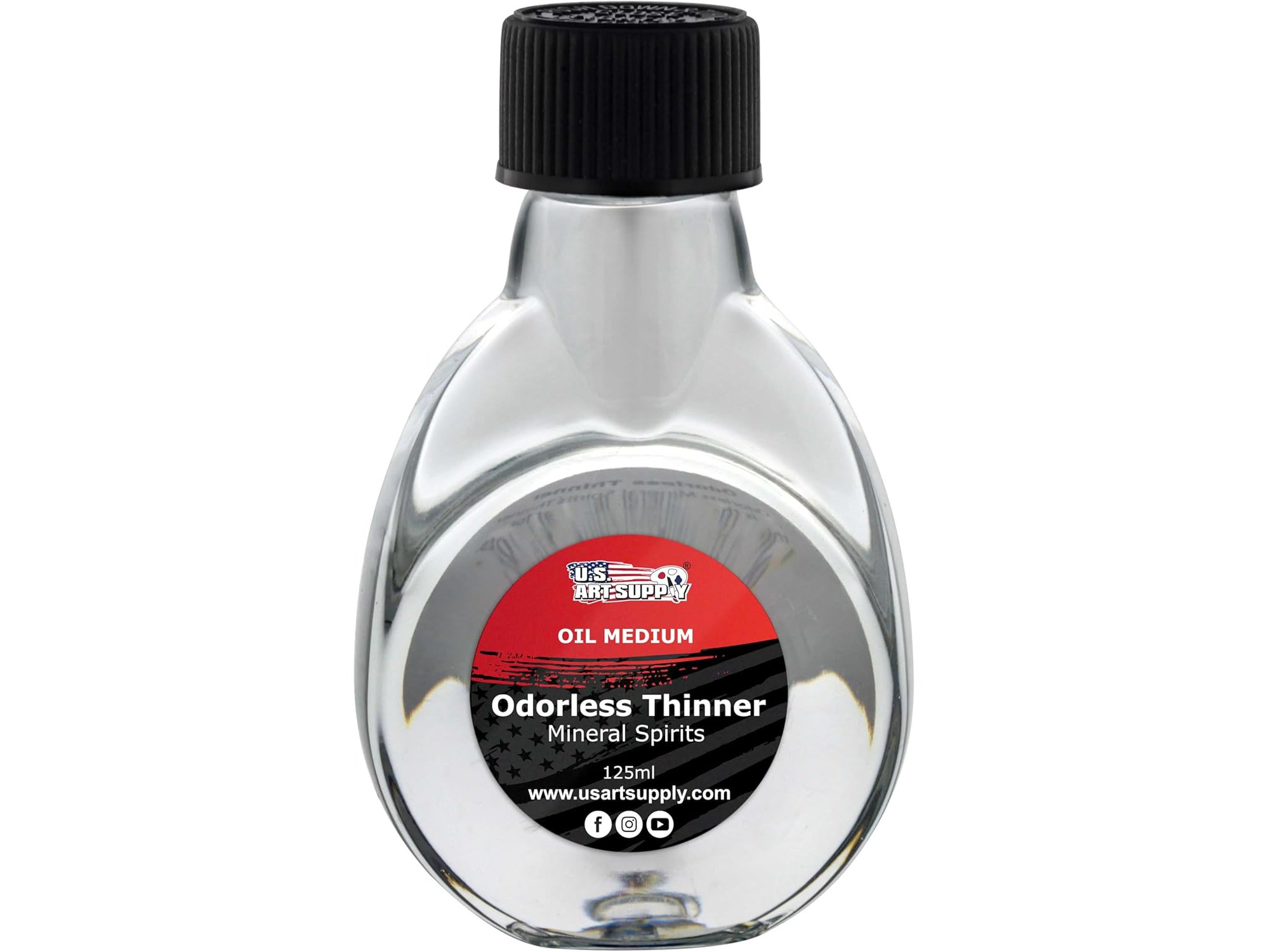
Mineral Spirits (Odorless)
Safe for finished wood. Won’t strip stain or polyurethane. Softens the glue residue enough to wipe off without damaging the surface underneath.
Check Price on Amazon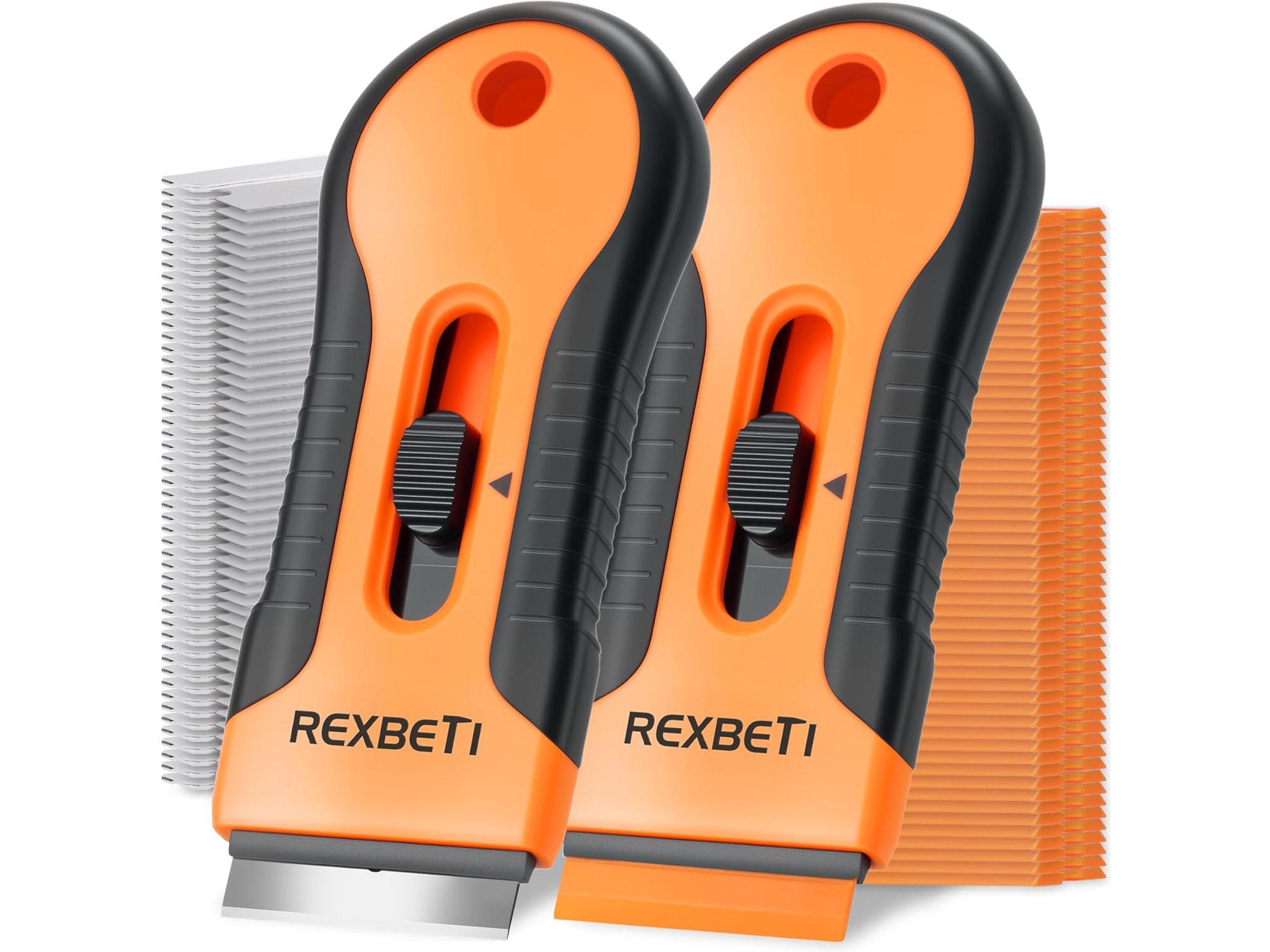
Plastic Scraper
Won’t gouge or scratch wood surfaces. Use it to chip off the bulk of the expanded foam before applying any solvent.
Check Price on Amazon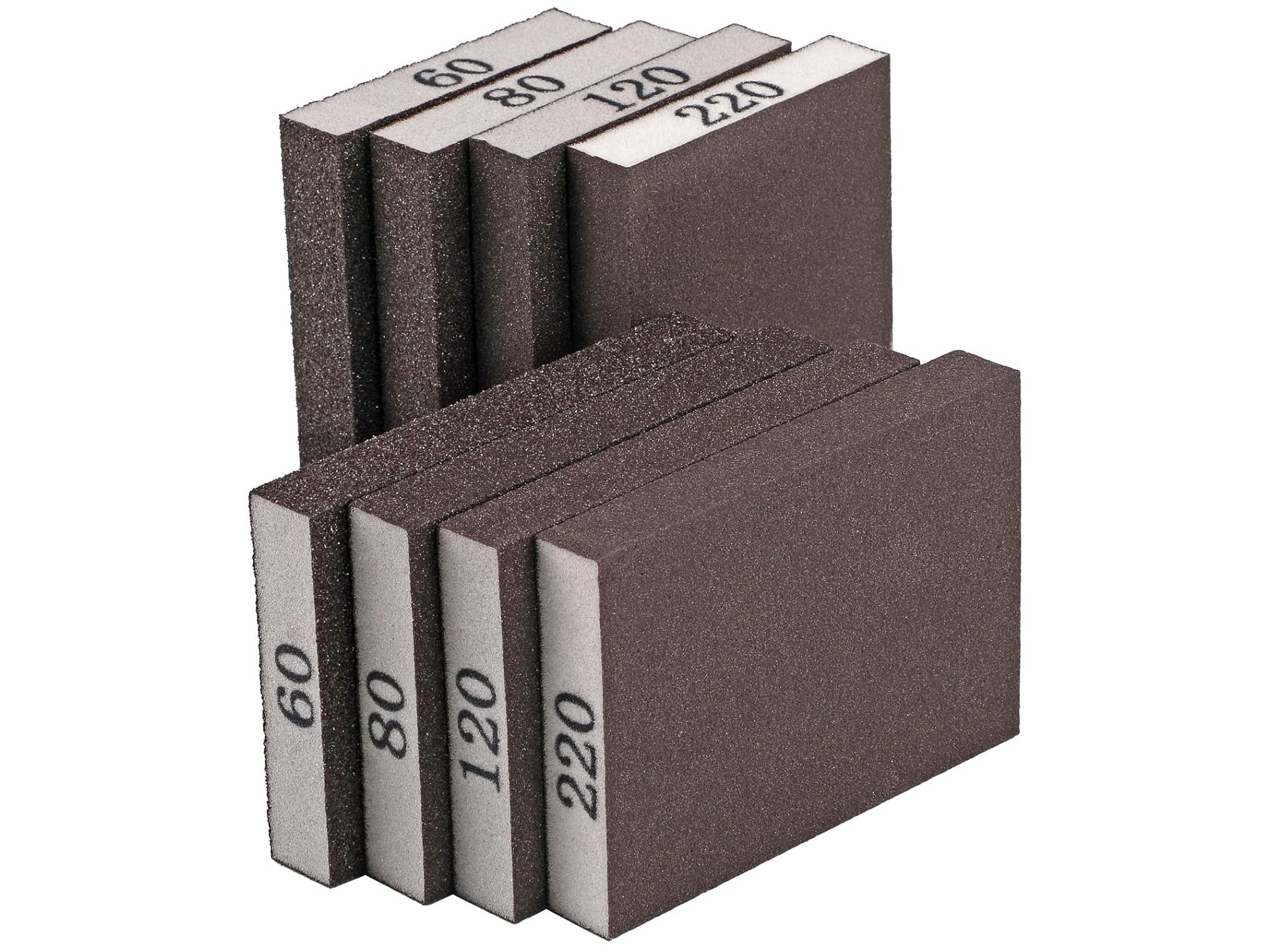
Sandpaper (220-Grit)
For bare, unfinished wood where the glue has soaked in. Sanding is sometimes the only way to remove glue that has bonded deep into the wood grain. Start with 120-grit and finish with 220.
Check Price on AmazonFor Finished Wood (Stained, Lacquered, Poly)
- Chip off the bulk of the dried foam with a plastic scraper. Gorilla Glue expands as it cures, so the foam sits mostly on top. Get as much off mechanically as possible first.
- Dampen a cloth with mineral spirits and press it on the residue for 5–10 minutes. The solvent softens the remaining glue without stripping the wood finish.
- Wipe and scrape the softened residue. Repeat the solvent application if needed. For thin film, rubbing with a cloth soaked in mineral spirits should be enough.
- Buff the area with a dry cloth and apply wood polish if the finish looks dull.
For Bare / Unfinished Wood
- Chip off the bulk with a chisel or scraper. On unfinished wood you can be more aggressive since there’s no finish to protect.
- Sand the remaining glue with 120-grit sandpaper. Sand with the grain, not against it. The glue will come off as dust.
- Finish with 220-grit to smooth the surface. If you plan to stain or finish the wood, make sure all glue residue is gone—stain won’t penetrate through dried polyurethane.
Never use acetone on finished wood. It dissolves polyurethane, lacquer, and stain on contact. One wipe and you’ll have a bleached spot that’s harder to fix than the glue. Stick to mineral spirits or sanding.
How to Remove Dried Gorilla Glue from Plastic
Plastic is the hardest surface to remove Gorilla Glue from because the solvents that dissolve the glue also dissolve most plastics. Acetone will melt ABS, polycarbonate, and acrylic on contact. Your only safe options are rubbing alcohol, gentle heat, and careful scraping.
Rubbing Alcohol (91%)
The strongest solvent that’s safe for most plastics. It won’t dissolve the plastic but it will soften Gorilla Glue enough to scrape. Slower than acetone but won’t destroy the surface.
Check Price on AmazonPlastic Scraper
Use plastic on plastic to avoid scratches. A metal blade will gouge soft plastics. Work at a low angle and let the solvent do most of the work.
Check Price on Amazon- Chip off as much dried glue as possible with a plastic scraper. The expanded foam usually chips off plastic surfaces fairly well because polyurethane doesn’t bond to some plastics as strongly as to wood or metal.
- Soak a cloth in rubbing alcohol and press it on the residue for 10–15 minutes. This is slower than acetone but it’s the only safe chemical option for plastic.
- Scrape the softened glue with the plastic scraper. Reapply alcohol and repeat as needed. Patience is key here.
- For heat-resistant plastics, try a hair dryer on low heat. Warm the glue for 30 seconds, then scrape. Don’t use a heat gun—it’s too hot for most plastics.
Never use acetone on plastic. It dissolves ABS, polycarbonate, acrylic, and many other common plastics. Even a small amount can cloud, warp, or melt the surface permanently. Rubbing alcohol is the safe alternative.
The cooking oil method (from repair forums): For soft plastics where even rubbing alcohol feels risky, try soaking in vegetable oil or coconut oil for several hours. The oil slowly penetrates under the glue and weakens the bond. It takes longer but there’s zero risk of damaging the plastic.
How to Remove Dried Gorilla Glue from Metal & Glass
Metal and glass are the easiest surfaces to clean because they can handle any solvent and any scraping tool without damage. Acetone, heat, razor blades—everything is on the table. The only exception is painted or coated metal.
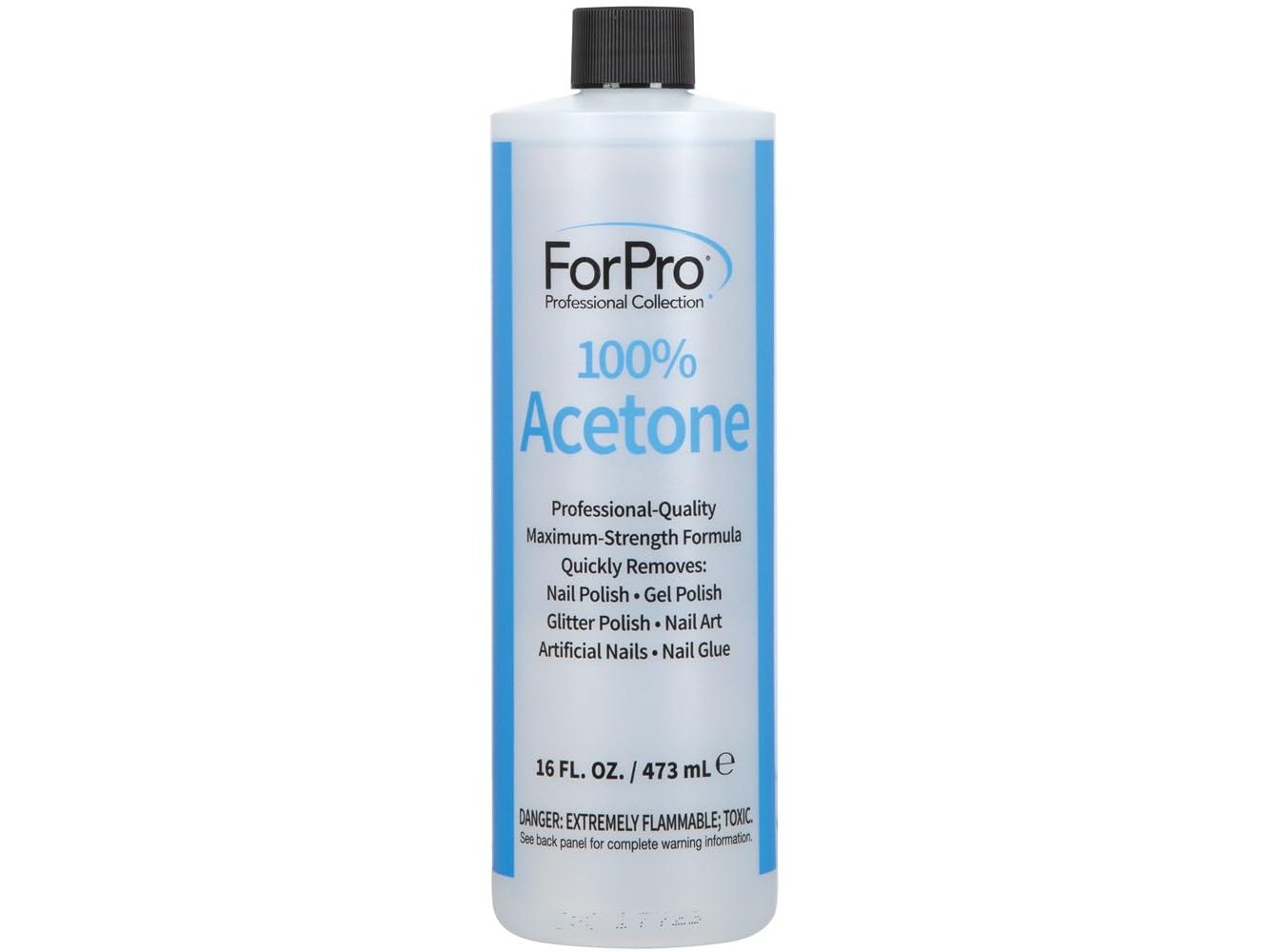
100% Pure Acetone
The most effective solvent for cured Gorilla Glue. On bare metal and glass, you can soak liberally without worrying about surface damage.
Check Price on Amazon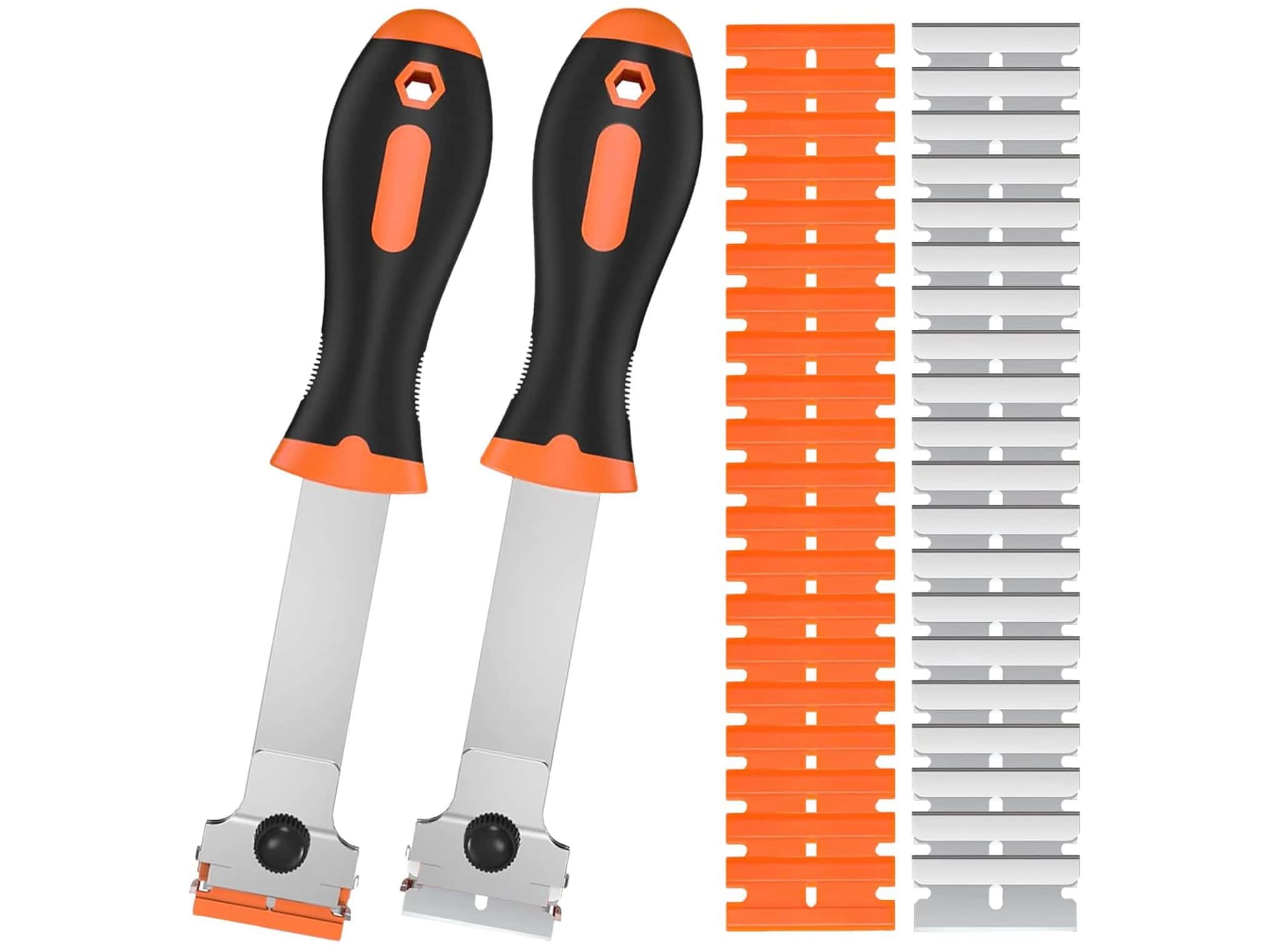
Razor Blade Scraper
A razor blade at 30–45 degrees slides right under dried Gorilla Glue on glass. On metal, it shaves the foam off cleanly. Keep the blade wet with acetone for best results.
Check Price on Amazon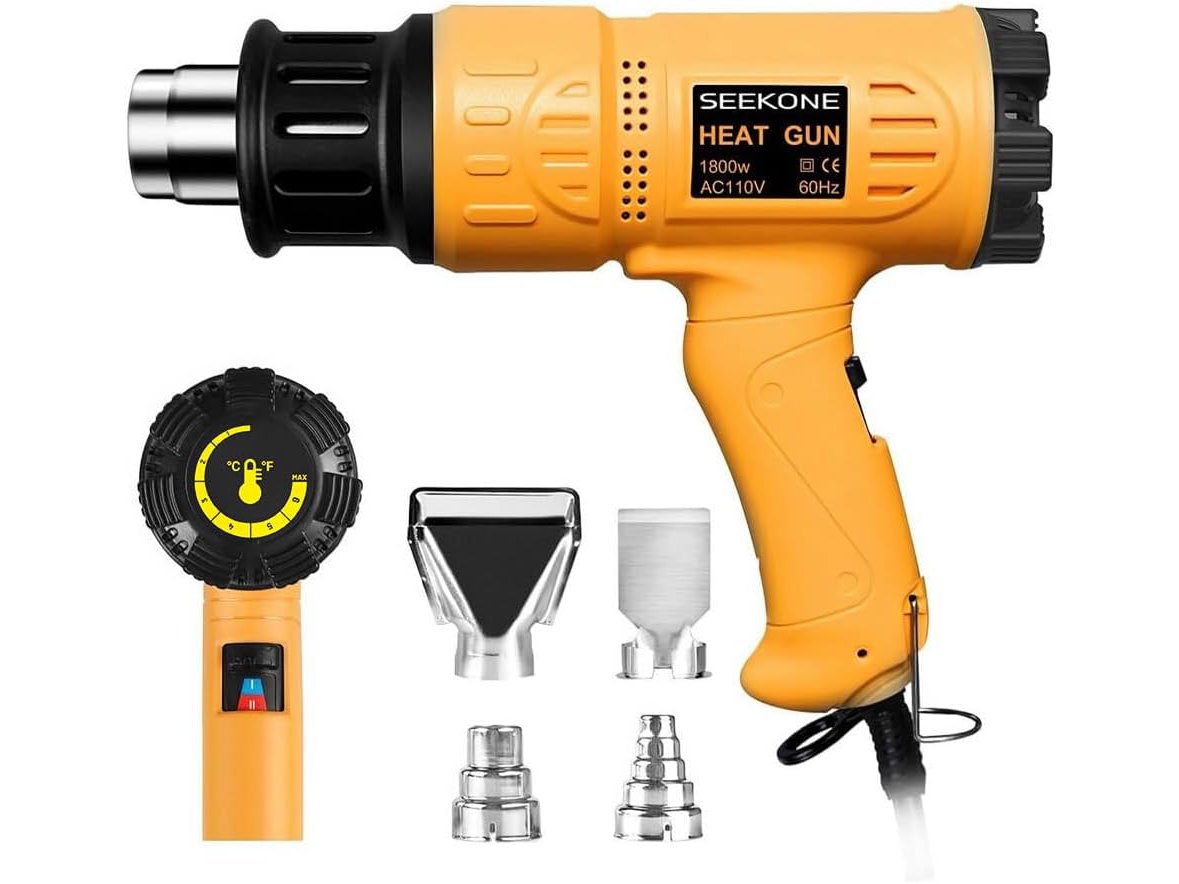
Heat Gun
Softens thick Gorilla Glue blobs for easy scraping. Set to 300–400°F. Metal conducts heat well so the glue softens quickly. On glass, use medium heat to avoid thermal shock.
Check Price on Amazon- Chip off the bulk of the foam with a razor blade scraper. Most of the expanded Gorilla Glue sits on top and pops off with mechanical force alone.
- Soak a cloth in acetone and press it on the remaining residue for 10–15 minutes. The acetone dissolves the polyurethane bond.
- Scrape the softened glue with the razor blade. For thick spots, alternate between acetone soaking and scraping until the surface is clean.
- Wipe clean with a dry cloth. For glass, finish with glass cleaner for a streak-free result.
Don’t use acetone on painted or powder-coated metal. It strips paint instantly. For painted metal surfaces, use rubbing alcohol or heat only. On glass, avoid using a heat gun on cold glass in winter—the thermal shock can crack it.
How to Remove Dried Gorilla Glue from Clothes & Fabric
Gorilla Glue on clothes is one of the toughest stains to deal with. The glue bonds to fabric fibers and the foam expands into the weave. Success depends on fabric type—cotton and denim have the best chance, synthetics often don’t survive the solvents needed.
100% Pure Acetone
The only solvent strong enough for cured Gorilla Glue on fabric. Safe on cotton and denim. Destroys polyester, nylon, spandex, and acetate fabrics. Always test first.
Check Price on Amazon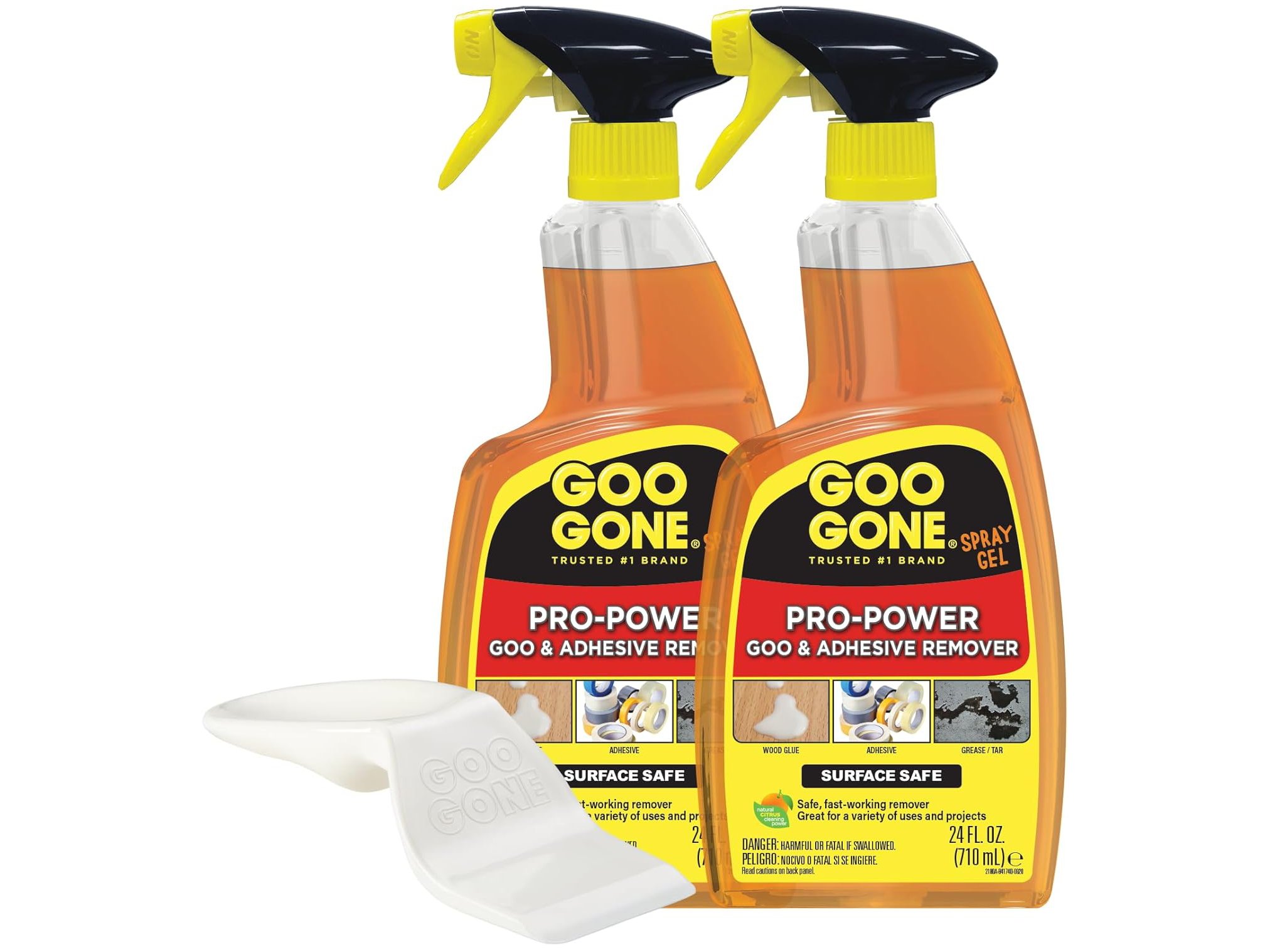
Goo Gone
For the stain left behind after removing the glue. Goo Gone won’t dissolve cured Gorilla Glue by itself, but it cleans up the residue and discoloration after acetone treatment.
Check Price on AmazonRubbing Alcohol (91%)
Safer alternative to acetone for delicate fabrics. Won’t dissolve fully cured glue blobs, but can soften thin residue enough to scrape off.
Check Price on Amazon- Test acetone on a hidden area of the fabric first. Apply a drop and wait 5 minutes. If the fabric discolors, melts, or weakens, use rubbing alcohol instead.
- Scrape off as much dried foam as possible with a dull knife. The expanded foam sits partly on top of the fabric and can be chipped away mechanically.
- Soak a cotton ball in acetone and press it on the remaining glue for 5–10 minutes. Don’t rub—let the solvent work. The glue should soften and turn gummy.
- Scrape the softened glue with a dull knife or credit card. Reapply acetone as needed for stubborn spots.
- Treat any remaining stain with Goo Gone, then launder immediately on the hottest safe setting.
Acetone melts synthetic fabrics. Polyester, nylon, spandex, and acetate will dissolve on contact. For synthetic clothing with cured Gorilla Glue, the garment is usually a loss. Don’t put glue-stained clothes in the dryer—heat will set the stain permanently.
How to Remove Dried Gorilla Glue from Carpet & Leather
Both carpet and leather are porous materials where Gorilla Glue bonds deep into the fibers or grain. Full removal isn’t always possible, but you can remove the bulk and minimize the visible damage.
Rubbing Alcohol (91%)
Safe for both carpet and leather. Softens the glue without dissolving synthetic carpet fibers or damaging leather finish. Apply in small amounts.
Check Price on AmazonPlastic Scraper
Gentle enough for carpet fibers and leather grain. Use it to lift the bulk of the foam without cutting fibers or scratching leather.
Check Price on Amazon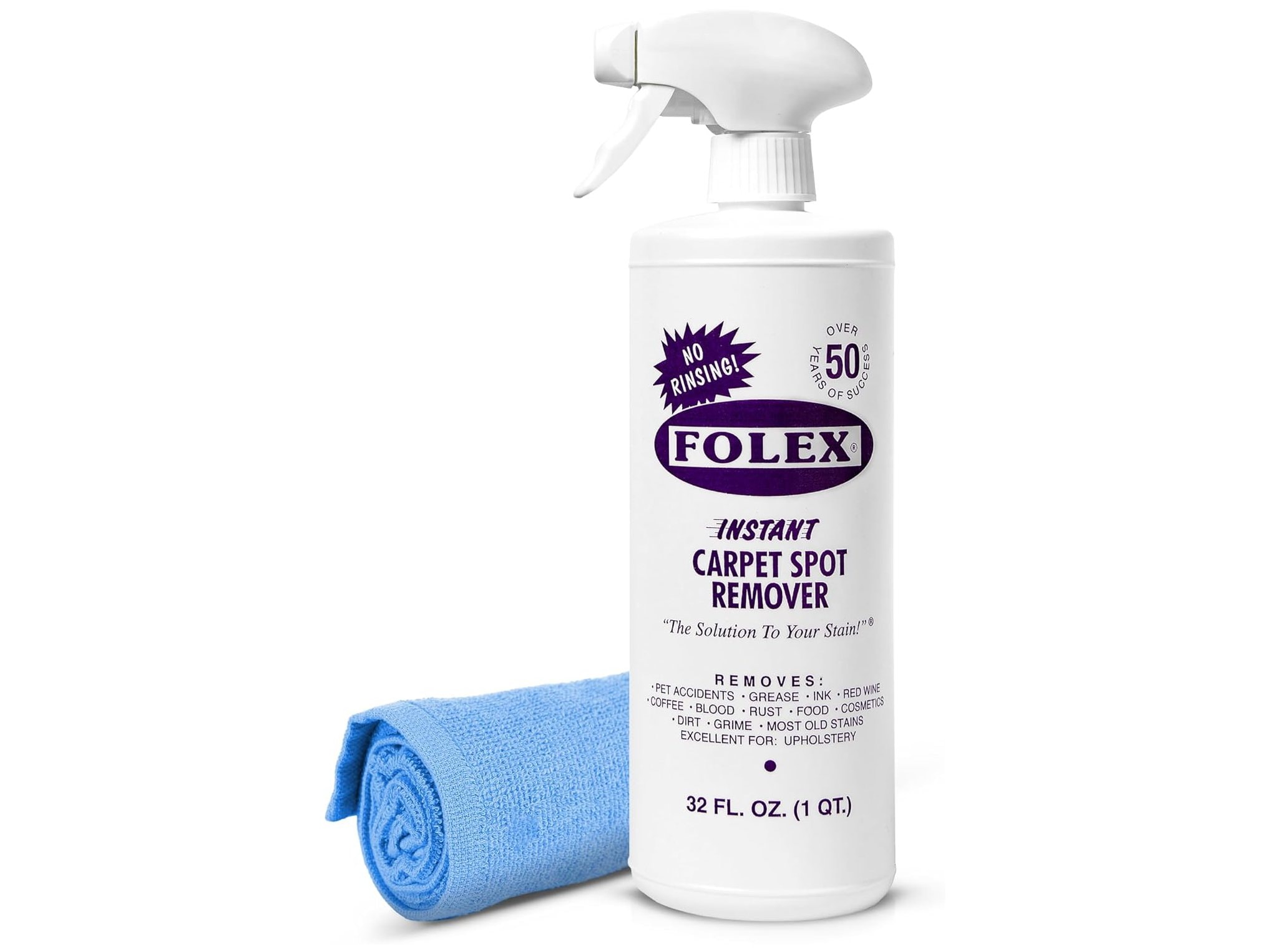
Folex Carpet Stain Remover
For the stain left behind after glue removal. Gorilla Glue can leave a yellowish discoloration in carpet. Folex handles it without bleaching the carpet color.
Check Price on AmazonFor Carpet
- Scrape off the bulk of the dried foam with a plastic scraper. Most of the expanded glue sits on top of the carpet fibers. Vacuum up the loose pieces.
- Apply rubbing alcohol to a white cloth and dab the remaining glue. Don’t pour alcohol directly onto carpet—too much can damage the backing. Let it sit for 5–10 minutes.
- Scrape the softened residue and reapply alcohol as needed. This may take several rounds for thick spots.
- Clean the area with Folex to remove any discoloration. Blot dry with a clean towel.
For Leather
- Gently chip off the dried foam with a plastic scraper. Work slowly—leather scratches easily. Don’t dig into the grain.
- Dampen a cotton pad with rubbing alcohol and dab the residue. Use as little as possible—alcohol can dry out leather. Let it sit for a few minutes.
- Wipe the softened glue with a clean cloth. Repeat if needed.
- Apply leather conditioner immediately after cleaning. The alcohol removes natural oils from leather, so conditioning is essential to prevent cracking.
Never use acetone on leather. It strips the finish and dye, leaving a permanent bleached spot. Rubbing alcohol is the strongest solvent that’s safe for leather, and even that should be used sparingly.
The trim method for carpet (from carpet repair forums): If the glue is deep in the fibers and chemicals won’t get it out, carefully trim the affected carpet fibers with small scissors. On plush carpet, the surrounding fibers cover the trimmed spot and it becomes invisible. Often faster and cleaner than chemical removal.
How to Remove Dried Gorilla Glue from Brick & Concrete
Brick and concrete are porous and tough—you can use the most aggressive methods without worrying about surface damage. The challenge is that the glue seeps into the pores, making full removal harder. Heat and mechanical force work best here.
Heat Gun
Set to high (400°F+) for masonry surfaces. Brick and concrete can handle extreme heat. The Gorilla Glue will soften and bubble, making it easy to scrape.
Check Price on Amazon100% Pure Acetone
For residue in the pores after scraping. Pour acetone on the spot and let it soak in. On bare masonry, any amount of solvent is safe.
Check Price on Amazon- Chip off the bulk of the foam with a chisel, putty knife, or scraper. On masonry you can use metal tools without worry. A hammer and chisel work well for thick blobs.
- Heat the remaining residue with a heat gun at 400°F+. The glue softens and can be scraped off. On rough surfaces like brick, a wire brush helps after heating.
- Pour acetone on any remaining thin film. Let it soak for 10–15 minutes, then scrub with a stiff brush.
- For large areas, consider a grinder or wire wheel attachment. This is the fastest method for thick Gorilla Glue on concrete floors or brick walls.
Frequently Asked Questions
Does WD-40 remove Gorilla Glue?
It can help loosen it, but won’t dissolve it. WD-40 is a light lubricant that can soften the bond between the glue and the surface, making it easier to scrape. It works best as a first step before using stronger solvents. Spray it on, wait 10 minutes, then try scraping.
Does vinegar dissolve Gorilla Glue?
Barely. White vinegar is a mild acid that can slightly soften fresh Gorilla Glue, but it’s largely ineffective on fully cured polyurethane. For skin, a warm vinegar soak can help loosen the edges, but for hard surfaces, you need acetone or heat for any real results.
Can you dissolve Gorilla Glue once it’s fully cured?
Not completely with household solvents. Acetone will soften and partially dissolve cured polyurethane, but it takes time and repeated applications. The most effective removal combines heat (to soften) with mechanical scraping (to remove). Industrial paint strippers can dissolve it faster but are too harsh for most home surfaces.
What’s the difference between Gorilla Glue Original and Gorilla Super Glue?
Completely different formulas. Gorilla Glue Original is polyurethane—it expands, foams, and is activated by moisture. Gorilla Super Glue is cyanoacrylate (like regular super glue)—it doesn’t foam, dries clear, and is dissolved by acetone more easily. The removal methods in this guide are for the Original polyurethane version. For Super Glue, pure acetone works faster and more completely.
Is dried Gorilla Glue toxic?
Once fully cured, it’s non-toxic. Cured polyurethane is chemically inert. The risk is during application—uncured Gorilla Glue can irritate skin and eyes, and the fumes can be harmful in enclosed spaces. If swallowed before curing, it expands in the stomach and requires immediate medical attention. Once dry, it’s just hardened plastic.
Bottom Line: Gorilla Glue is one of the toughest adhesives to remove, but it’s not impossible. Match the method to the surface—oil for skin, mineral spirits for wood, rubbing alcohol for plastic and leather, acetone for metal and glass, and heat plus mechanical force for masonry. Always test solvents on a hidden area first, and never use acetone on plastic, painted surfaces, or synthetic fabrics.