If you tried washing cured expanding foam with water, you made it worse. Water actually makes polyurethane cure faster. And if you’ve grabbed a metal scraper—put it down. You’re about to swap a foam problem for a permanent scratch problem.
Here’s the good news: every surface can be saved if you use the right solvent and the right tool. Below you’ll learn how to remove cured expanding foam from skin, UPVC, wood, clothes, and metal—step by step, with the exact products that work.
How to Remove Cured Expanding Foam
Water won’t work—it actually speeds up the polyurethane chemical reaction. You need to break the bond. For skin and metal, soak in 100% pure acetone, then scrub mechanically. For delicate surfaces like UPVC or finished wood, acetone will cause permanent damage—use a commercial foam remover with plastic scrapers instead.
Jump to Your Surface
Pick your problem — get the fix.
How to Remove Cured Expanding Foam from Skin
Knowing how to remove cured expanding foam from skin comes down to one thing: breaking the polyurethane bond without tearing yourself up. Soap and water won’t touch it—you need a proper solvent.
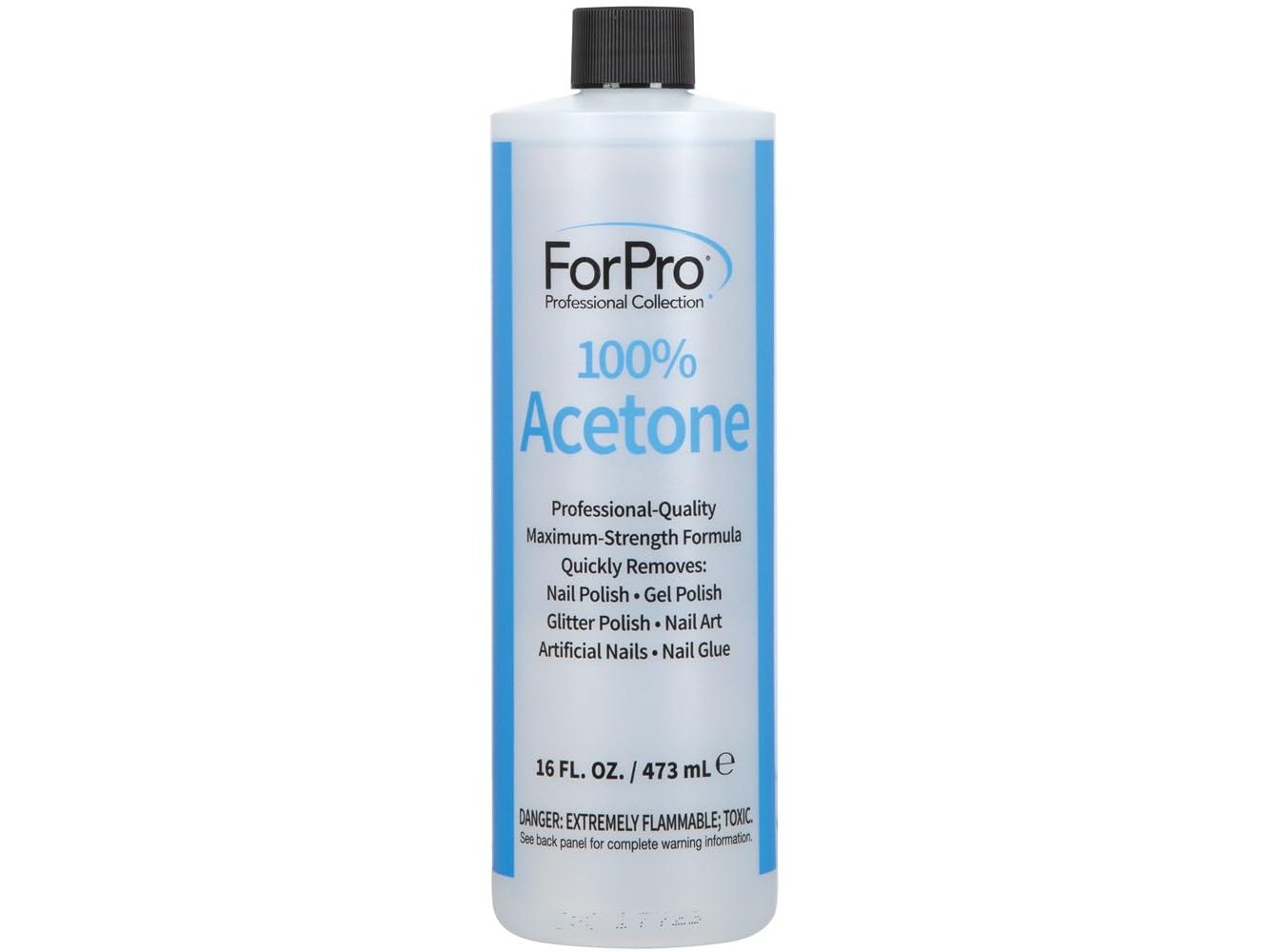
100% Pure Acetone (Nail Polish Remover Grade)
Must be 100% pure—the diluted drugstore stuff barely works. Acetone is the only common solvent strong enough to break down cured polyurethane at the molecular level.
Check Price on Amazon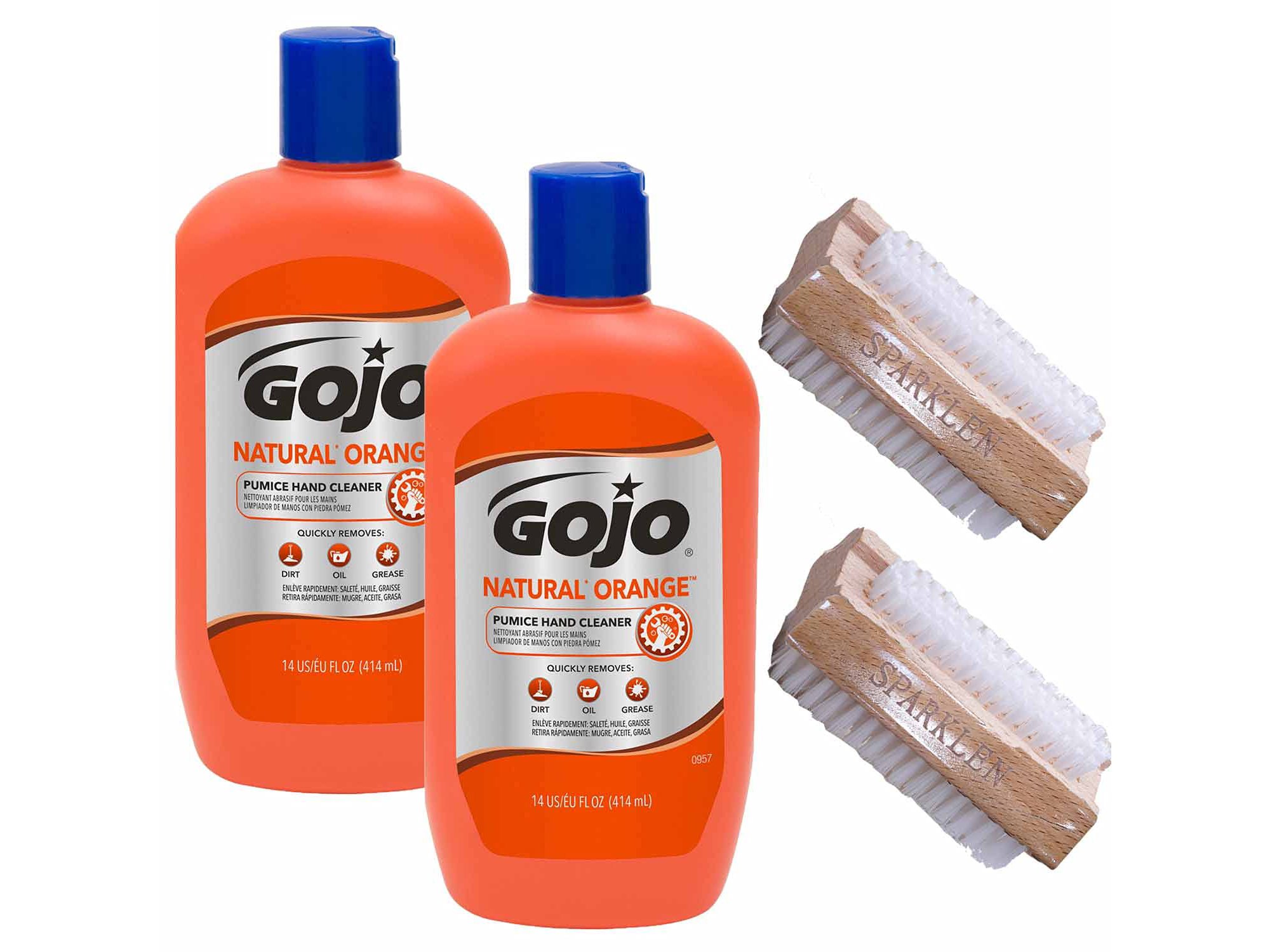
Gojo Natural Orange Pumice Hand Cleaner
The pumice grit scrubs softened foam out of your skin’s texture, while the orange oil base adds a secondary solvent action that helps dissolve remaining polyurethane film.
Check Price on Amazon- Soak, don’t wipe. Press an acetone-soaked cotton pad firmly against the foam and hold for 3–5 minutes. The acetone needs time to soften the polyurethane bond underneath.
- Once the foam feels rubbery or gummy, use the edge of a plastic card (like an old gift card) to peel off the larger chunks. They should come away in strips.
- For stubborn residue in your skin’s creases, scrub with Gojo Pumice in circles for a solid minute. The grit does the heavy lifting. Rinse and repeat if needed.
- Moisturize immediately. Wash with mild soap, then slather on hand cream or petroleum jelly. Acetone strips moisture hard—skip this and your skin will crack.
Never use acetone near your eyes, mouth, or any open cuts. If foam is stuck to your face, skip the acetone entirely and use petroleum jelly to slowly work it loose over 24 hours, or see a doctor.
See It In Action
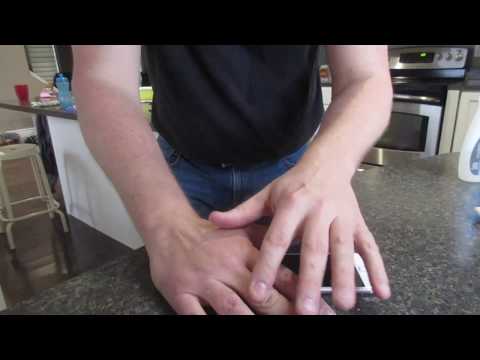
Quick demo showing how to get cured expanding foam off your hands:
How to Remove Cured Expanding Foam from UPVC Windows & Doors
If you need to know how to remove cured expanding foam from UPVC, the most important rule is this: the biggest damage usually comes from the removal attempt, not the foam itself. UPVC frames are softer than they look—one wrong move gives you permanent scratches or chemical burns.
Do NOT use acetone on UPVC. It’s a plasticizer solvent—it will melt and cloud your plastic frame within seconds. The damage is instant and permanent. This is the most common mistake people make.
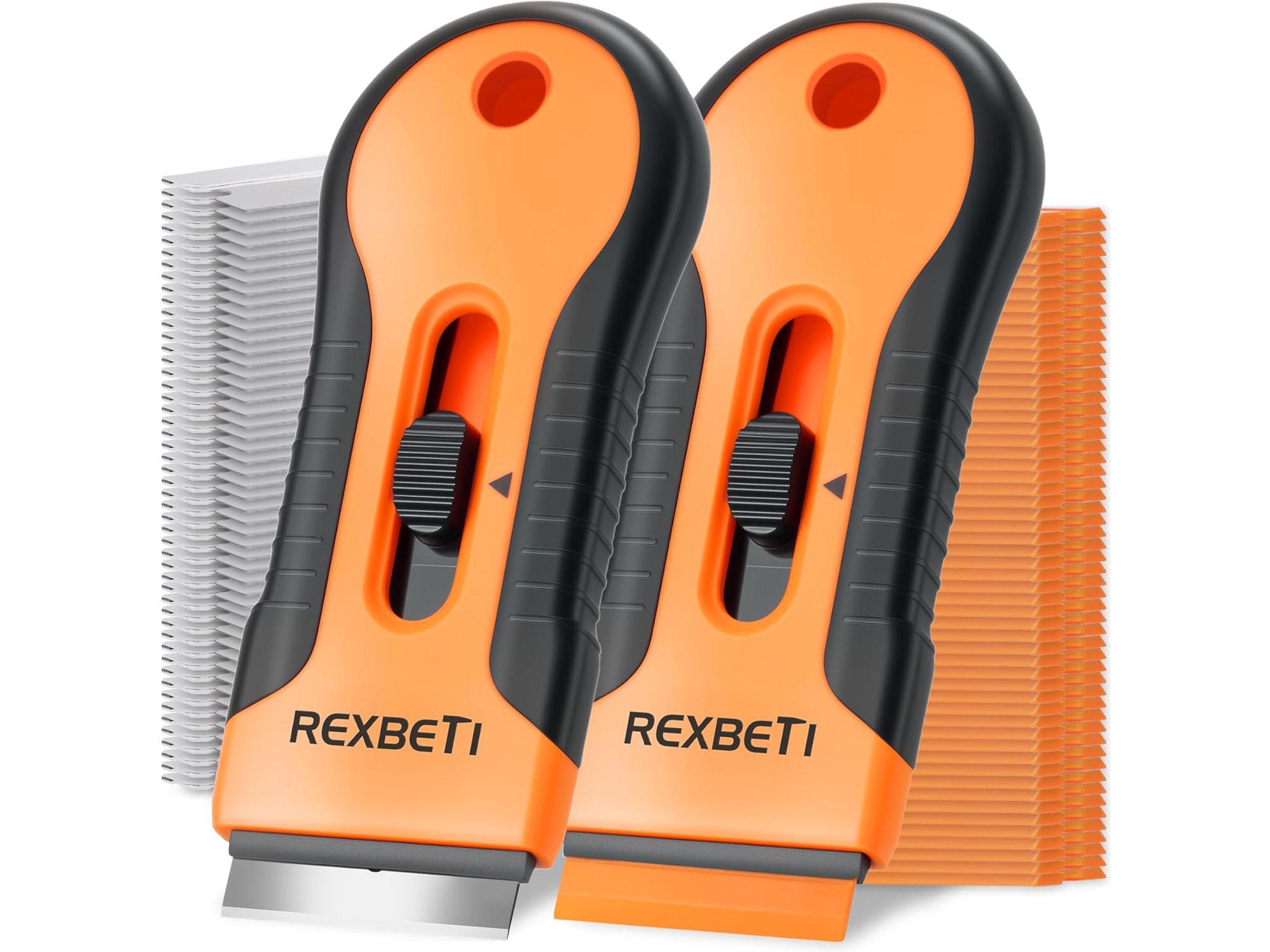
Plastic Razor Blades (Non-Scratch)
Made from reinforced polycarbonate—hard enough to shave foam, too soft to scratch UPVC. A steel blade would gouge your frame in one stroke.
Check Price on Amazon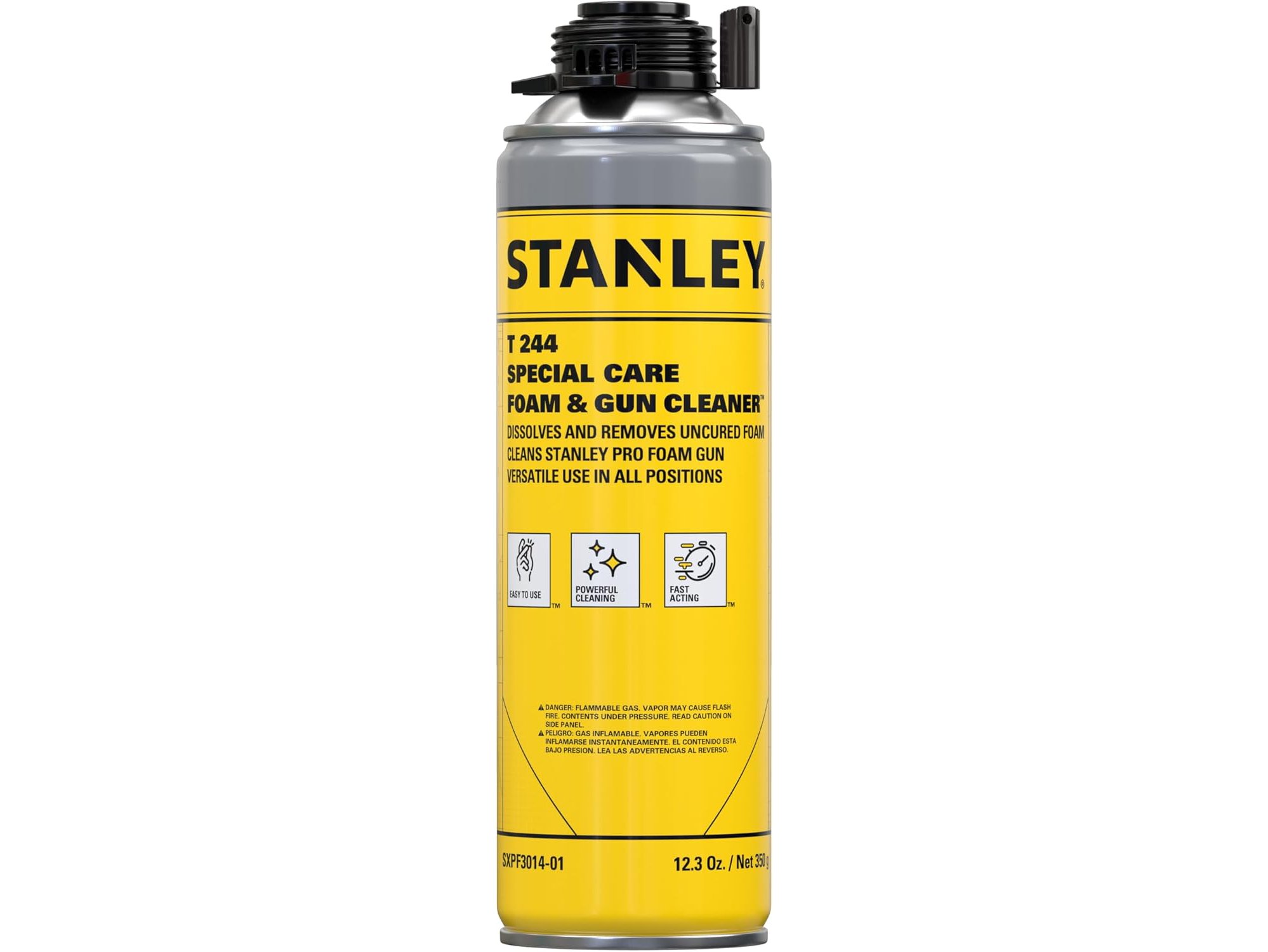
Commercial PU Foam Remover (e.g., Everbuild, HB42)
Formulated to dissolve cured polyurethane without attacking plastic, paint, or sealant. Uses methylene-based solvents that target the urethane bond while leaving UPVC untouched.
Check Price on Amazon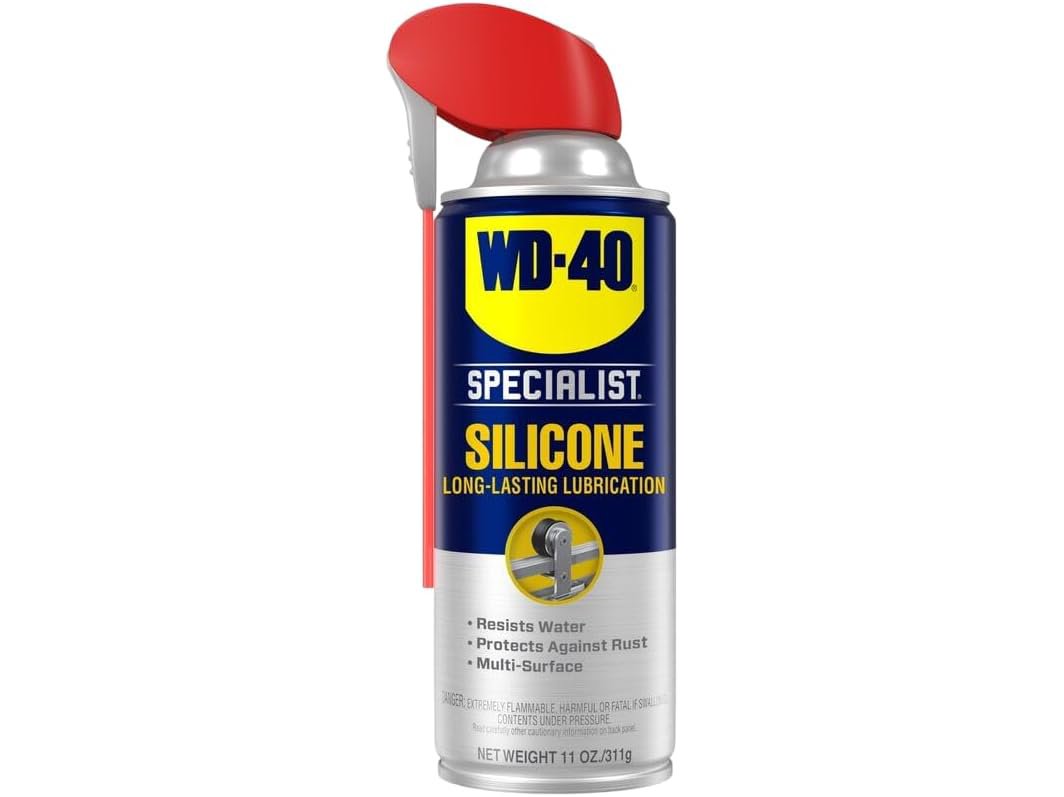
Silicone Spray Lubricant
A mist of silicone before scraping creates a slick barrier that prevents micro-scratches. The blade glides instead of dragging—that’s the difference between clean removal and a hazy surface.
Check Price on Amazon- Slice off the top bulk with a plastic razor blade held flat against the surface. Don’t try to get it all—just remove the mushroom top so the solvent can reach the bonded base layer.
- Apply commercial PU foam remover to the remaining thin layer. Let it sit 15–20 minutes. You’ll see the foam bubble and lift as the solvent breaks the polyurethane bond.
- Mist with silicone spray, then use a fresh plastic blade at a low angle to work under the softened foam. The silicone lets the blade glide without scratching. Go slow.
- Wipe clean with a microfiber cloth. For any faint shadow left behind, buff with UPVC restorer cream (sold at most hardware stores). Done.
How to Remove Cured Expanding Foam from Wood (Finished & Unfinished)
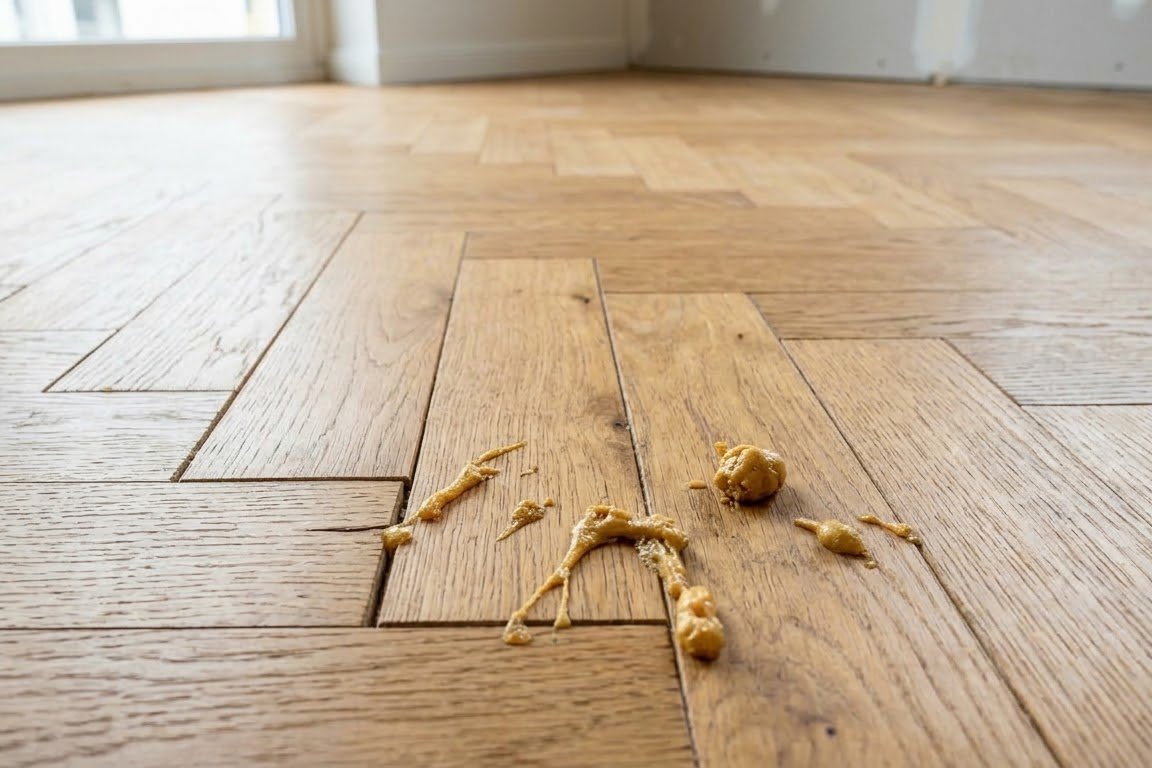
Learning how to remove cured expanding foam from wood starts with one question: is it finished or raw? Varnished wood needs a gentle touch—the coating is what you’re protecting. Raw wood is more forgiving since you can sand it, but be careful not to push foam residue deeper into the grain.
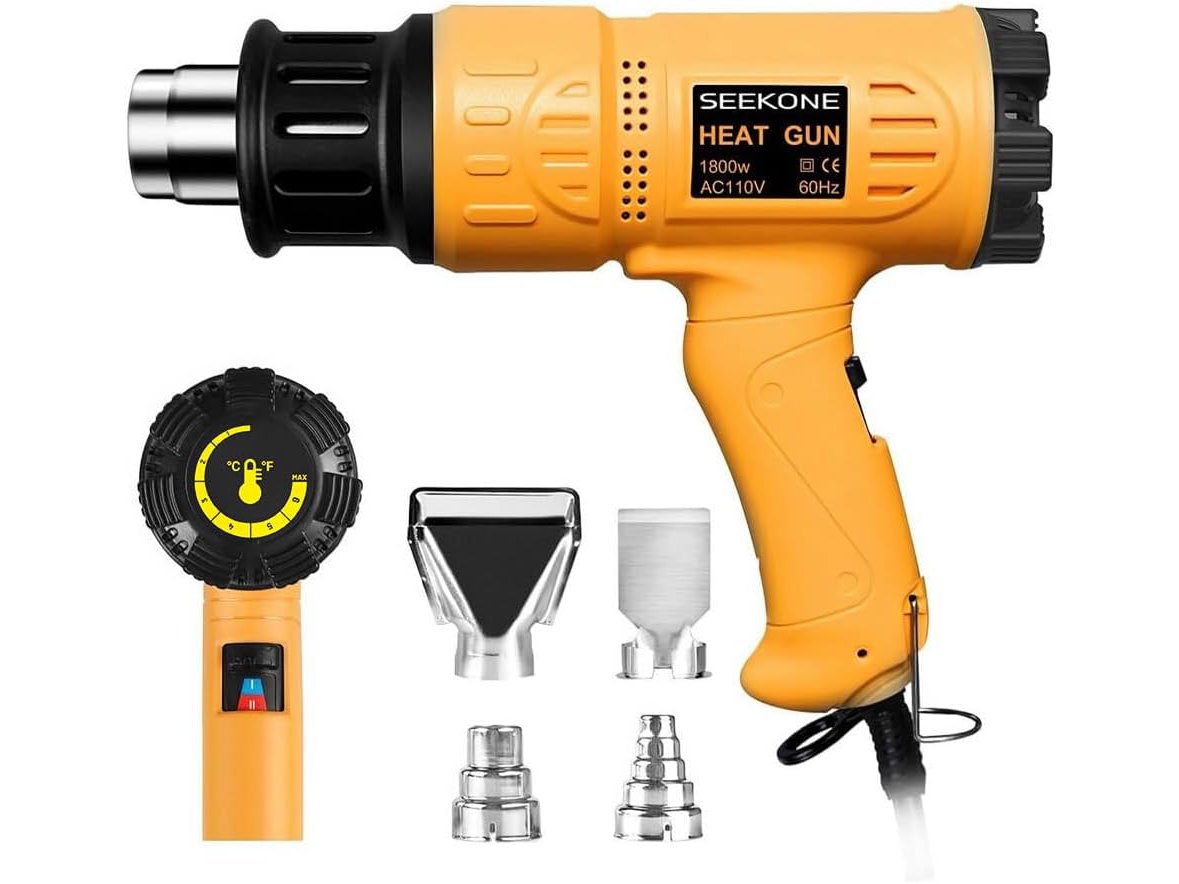
Heat Gun (Variable Temperature)
At around 300°F, foam turns rubbery and peels away with zero chemical contact on the varnish. Variable temperature gives you control—too hot and you’ll blister the finish.
Check Price on Amazon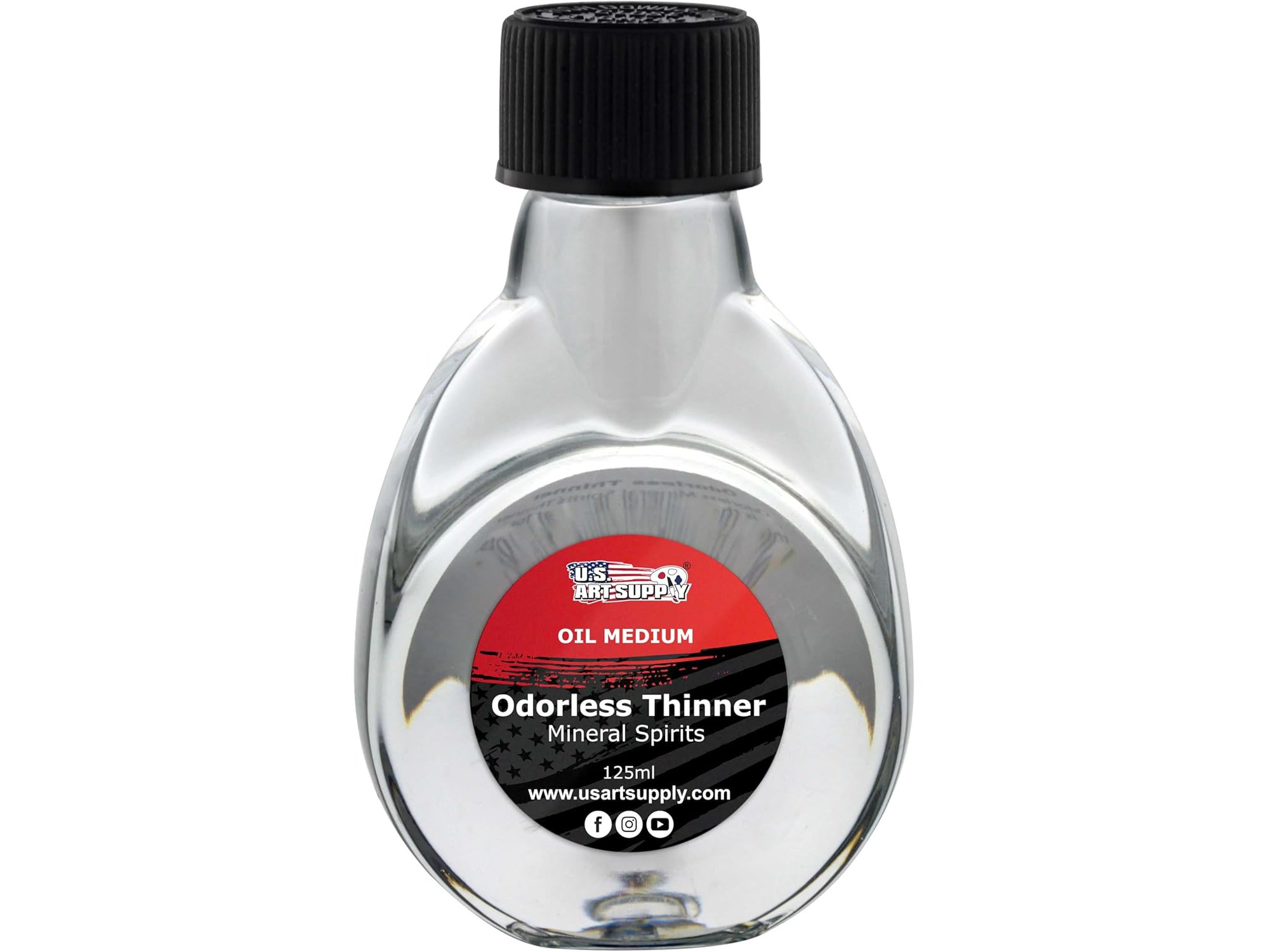
Mineral Spirits (Odorless)
Dissolves polyurethane residue without swelling wood fibers the way water or acetone would. Evaporates cleanly, leaves no stain.
Check Price on AmazonFor Finished / Varnished Wood
- Heat gun on lowest setting (around 300°F), held 4–6 inches away. Move in slow circles—don’t blast one spot. Within 30–60 seconds the foam turns soft and rubbery.
- While still warm, lift with a plastic scraper or old credit card. It should peel in strips. Work edges to center.
- For thin residue, dab gently with mineral spirits on a soft cloth—test an inconspicuous area first. Finish with furniture polish to restore sheen.
For Raw / Unfinished Wood
- Scrape with a sharp chisel or paint scraper at a low angle. Raw wood can handle firm pressure—just keep the blade shallow to avoid gouging.
- Rub remaining residue with mineral spirits on a rag. The solvent dissolves the polyurethane film bonded to the wood fibers. Wait a minute, then wipe clean.
- Once dry, sand with 120-grit, then 220-grit to blend with the surrounding wood. This ensures foam residue won’t show through any future stain or finish.
How to Remove Cured Expanding Foam from Clothes & Fabric
Figuring out how to remove cured expanding foam from clothes is tough, and I’ll be straight with you: if foam has fully cured deep in the fabric fibers, a perfect recovery is unlikely. The polyurethane bond has locked around individual threads. Any chemical strong enough to dissolve it (acetone, MEK) will also melt synthetic fabrics or bleach natural ones.
But there’s a workaround based on physics, not chemistry: freeze the foam until it’s brittle, then crush it out.
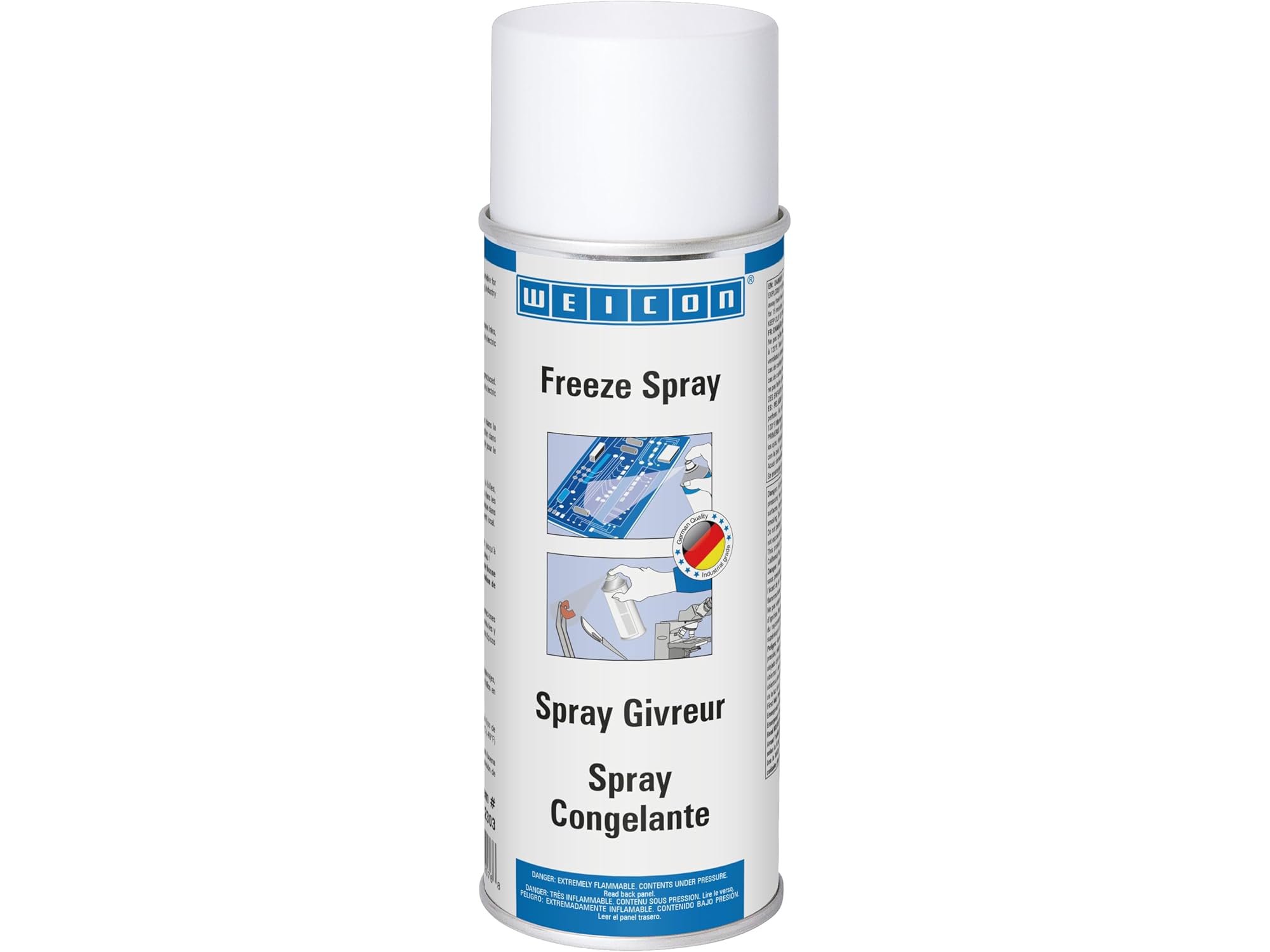
Freeze Spray (Chewing Gum Remover)
Drops foam temperature below −20°C instantly. Polyurethane goes from flexible rubber to brittle glass—it shatters and crumbles out of the fabric weave instead of clinging.
Check Price on Amazon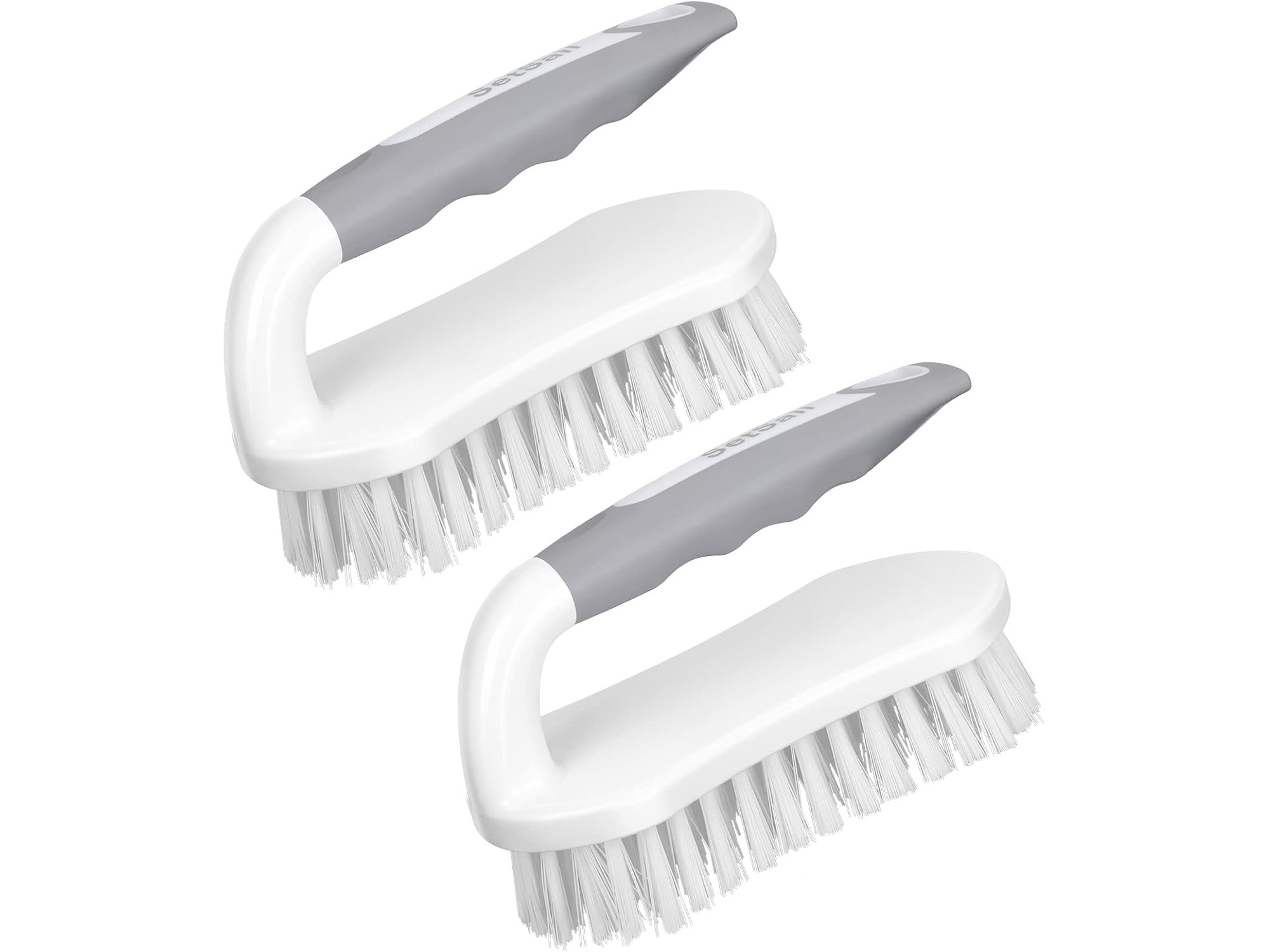
Stiff Bristle Brush (Natural Fiber)
Stiff enough to crush and flick frozen foam fragments out of the weave. Natural bristles work best—synthetic ones are often too flexible to break up frozen chunks.
Check Price on Amazon- Lay the garment flat. Blast the foam with freeze spray for 10–15 seconds until it frosts white and goes rock-solid.
- Immediately flex and crumble the fabric before it thaws. The frozen foam will crack and shatter like thin ice. Shake off the loose pieces.
- Brush out the fragments with a stiff bristle brush, working in one direction. Repeat the freeze-and-brush cycle 2–3 times for stubborn spots.
- Launder as normal. There may be a faint stain or stiffness left—that’s polyurethane residue deep in the thread. It likely won’t come out fully, but the garment should be wearable.
Alternative: Acetone Method (Natural Fabrics Only)
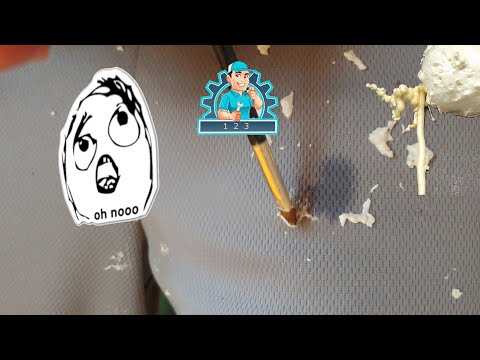
If the freeze method doesn’t fully clear the stain, acetone can dissolve the remaining polyurethane residue—but only on natural fabrics like cotton, denim, or linen. This is the method shown in the video below.
Treat this as a last resort, not a first choice. Even on natural fabrics, acetone can leave discolouration, bleach spots, or permanent marks. It’s a powerful solvent that wasn’t designed for textiles. Only use this method if the freeze spray didn’t work and you’d otherwise throw the garment away—you’ve got nothing to lose at that point.
- Check the care label first. If the garment contains any polyester, nylon, spandex, or other synthetic fibers—even as a blend—skip this method entirely. Acetone will melt synthetic threads on contact.
- Test on a hidden seam. Dab a small amount of pure acetone on an inside seam and wait 2 minutes. If there’s no discolouration or damage, you’re safe to proceed.
- Soak a cotton pad in acetone and press it firmly onto the foam residue or stain. Hold for 2–3 minutes to let the solvent break down the polyurethane bond.
- Once softened, gently scrape or blot the residue away with a clean cloth. Repeat as needed, then launder immediately to wash out the acetone.
Never use acetone on synthetic fabric (polyester, nylon, spandex, acrylic, or any blends containing these). It will dissolve the fibers, create holes, and ruin the garment permanently. If you’re unsure of the fabric content, stick to the freeze spray method above—it’s safe for all materials.
See It In Action
Watch the acetone method being used to remove expanding foam stains from fabric (remember — natural fabrics only):
How to Remove Cured Expanding Foam from Metal
Good news: understanding how to remove cured expanding foam from metal is the simplest section in this guide. Metal can take aggressive solvents and stiff brushes without complaint. The only concern is scratching polished finishes—which is why brass brushes are your best friend here.
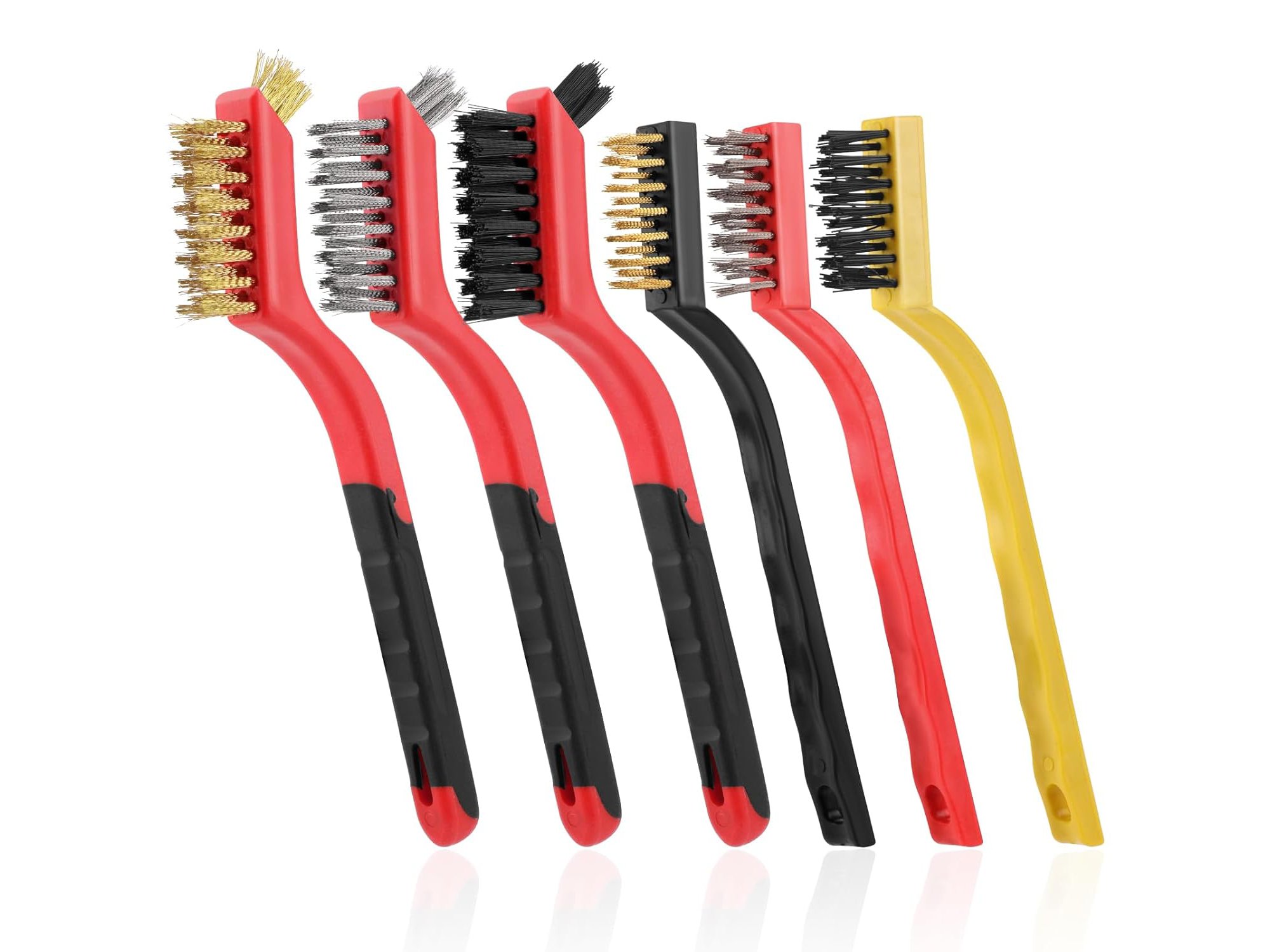
Mini Brass Wire Brushes
Brass is softer than steel, so it won’t scratch—but hard enough to tear through softened foam. Steel wool leaves fine scratches on aluminum and stainless. Brass gives you aggression without damage.
Check Price on Amazon100% Pure Acetone
Metal is chemically inert to acetone—zero risk of surface damage. Use at full strength. It softens cured polyurethane faster than any other common solvent.
Check Price on Amazon- Soak a rag in pure acetone and press over the foam. For thick blobs, pour acetone directly on and let it pool. Give it 10–15 minutes to soften the polyurethane bond.
- Once the foam feels rubbery, lift off the bulk with a plastic scraper. It should come away in chunks.
- For remaining residue, scrub with a brass wire brush in firm, even strokes. Dip in acetone as you go to keep dissolving the foam.
- Wipe clean with an acetone rag, then dry. For polished surfaces, finish with stainless steel cleaner or a light coat of WD-40.
Frequently Asked Questions
Does vinegar dissolve polyurethane foam?
No. Vinegar is a mild acetic acid—great for mineral deposits and grease, but cured polyurethane is a cross-linked polymer chain. Essentially plastic. Vinegar can’t break polymer chains, and neither can baking soda, dish soap, rubbing alcohol, or WD-40.
You need either pure acetone (breaks the bond chemically) or a commercial PU foam remover (specialized methylene-based chemistry). Household remedies simply don’t work here.
How long does expanding foam take to wear off skin naturally?
Left alone, it’ll fall off in roughly 3–5 days as your outer skin naturally sheds. It’s not harmful—just annoying. Warm soapy water and a pumice stone in the shower will speed things up.
Need it gone today? The acetone soak method above is your fastest option.
Will WD-40 remove cured expanding foam?
No. WD-40 is a light petroleum-based lubricant. It can help loosen uncured (still wet) foam, but once the polyurethane has fully cured and cross-linked, WD-40 doesn’t have the chemical strength to break the bond. Stick to acetone for hard surfaces or a commercial PU foam remover for delicate ones.
Can you use a heat gun to remove expanding foam?
Yes, on the right surfaces. A heat gun set to around 300°F works well on wood and metal—it softens the cured foam until it’s rubbery and easy to scrape. Don’t use heat on UPVC or plastic—you’ll warp the frame. And never use it near flammable solvents like acetone.
Bottom Line: Removing cured expanding foam is never a five-second job, but it’s not a disaster either. The damage only happens when people panic and grab the wrong tool. Match the solvent to the surface, be patient, and you’ll get a clean result every time.