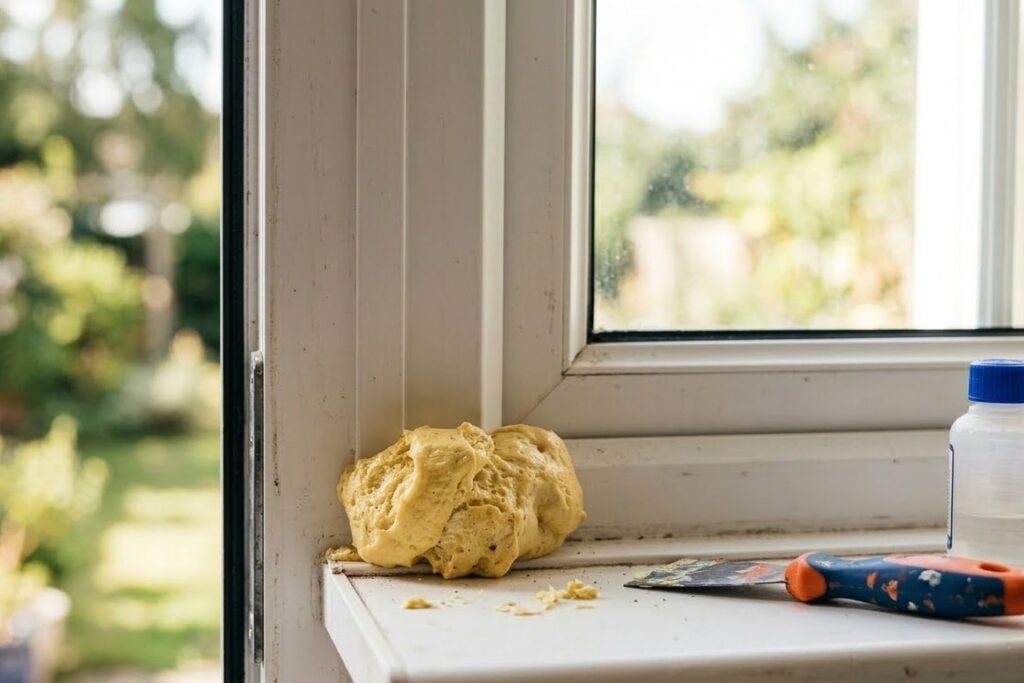
You mixed epoxy for a quick repair and now there’s a blob of cured resin on your tile, your countertop, or your hands. You tried soap. You tried scrubbing. Nothing works—because cured epoxy is designed to be permanent.
The good news: dried epoxy can be removed from almost any surface with the right combination of heat, solvents, and scraping. The approach depends on the surface—what works on metal will destroy fabric, and what’s safe for skin won’t touch tile.
How to Remove Dried Epoxy
To remove dried epoxy, soften it first with heat (heat gun at 200–400°F) or a solvent (acetone or rubbing alcohol). Once softened, scrape it off with a plastic or metal scraper depending on the surface. For skin, use oil or vinegar. Never use acetone on plastic, painted surfaces, or synthetic fabrics—it will dissolve them along with the epoxy.
Jump to Your Surface
Pick the surface — get the fix.
How to Remove Dried Epoxy from Tile (& Epoxy Grout)
Whether you spilled epoxy resin on tile or need to remove old epoxy grout from tile, the approach is the same: soften with heat, then scrape. Glazed ceramic tile is tough enough to handle aggressive removal—just be careful not to chip the glaze with metal tools.
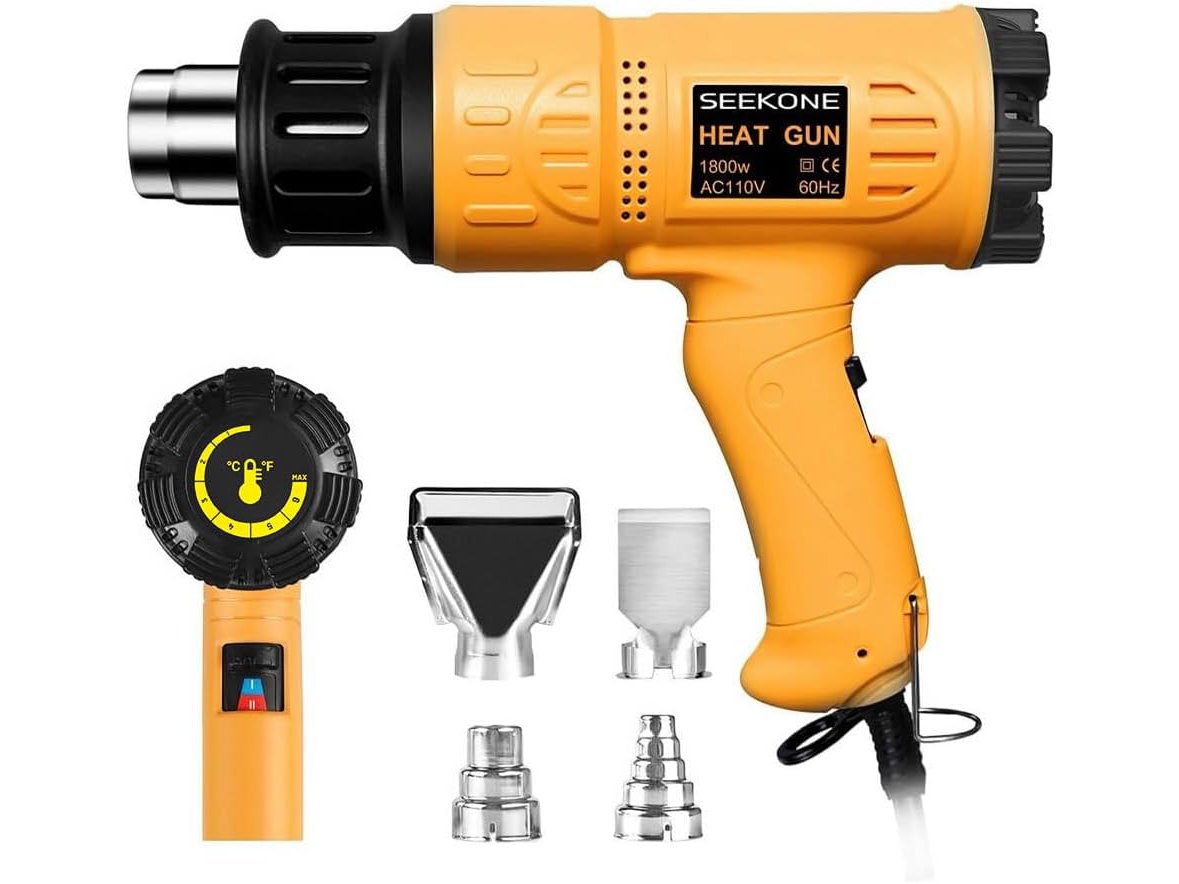
Heat Gun (Variable Temperature)
Heat is the most effective way to soften cured epoxy. Set to 200–400°F and the epoxy turns rubbery, making it easy to peel or scrape. Works faster than any chemical solvent.
Check Price on Amazon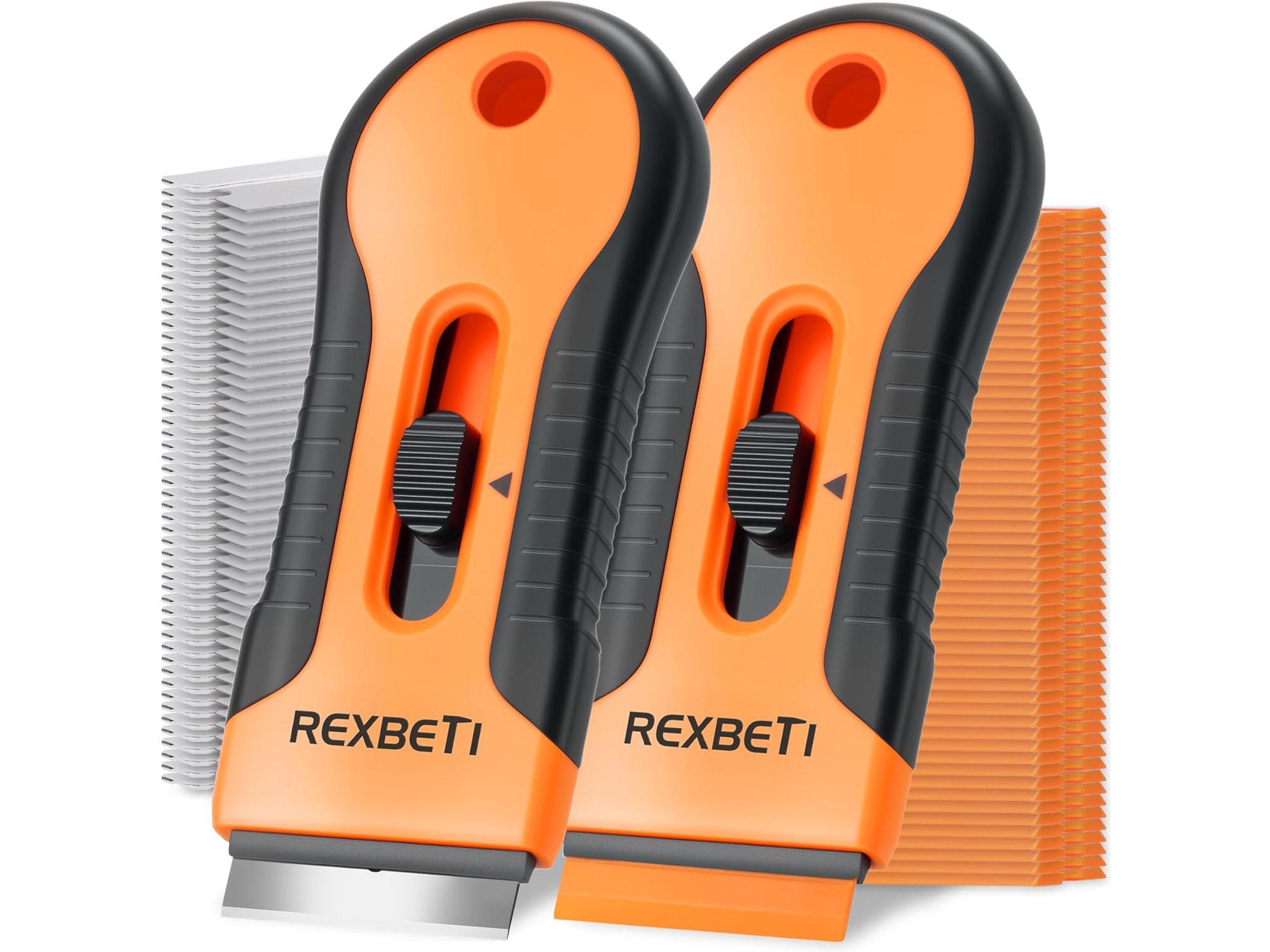
Plastic Scraper
Safe for glazed tile surfaces. Won’t chip or scratch the glaze like a metal blade can. Use after heating to peel softened epoxy off in strips.
Check Price on Amazon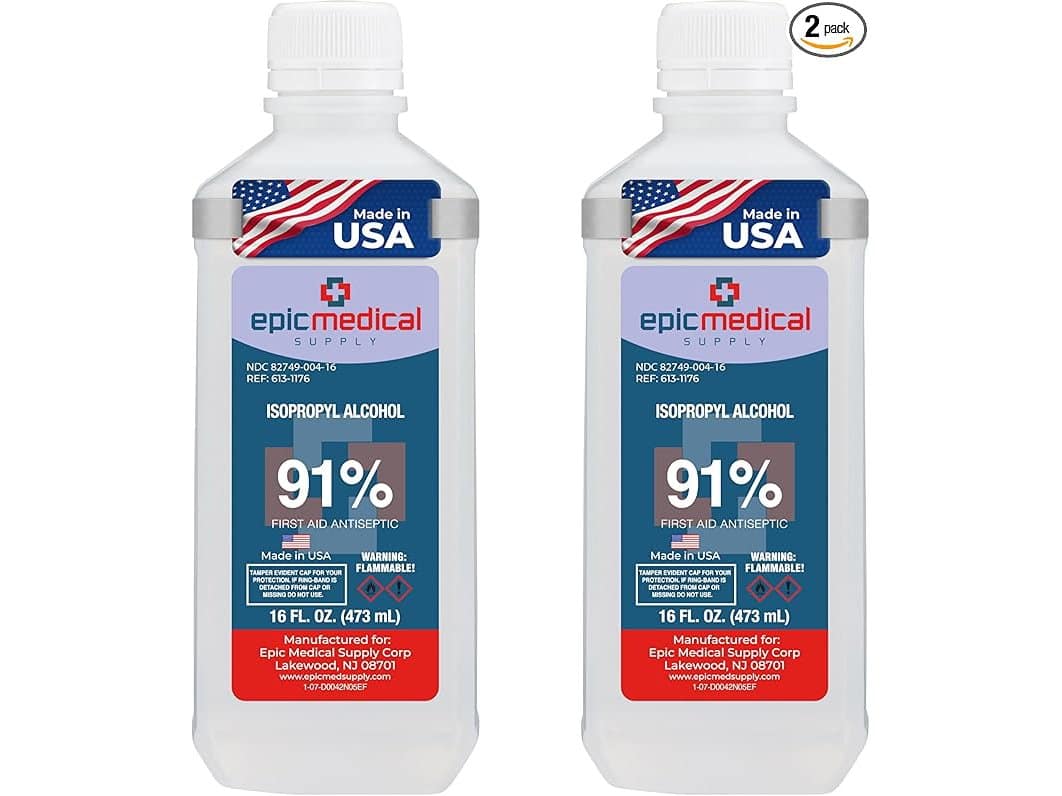
Rubbing Alcohol (91%)
Softens epoxy residue without damaging tile or grout. Soak a cloth and press it against the epoxy for 10–15 minutes. The alcohol penetrates and loosens the bond.
Check Price on AmazonFor Epoxy Spills on Tile
- Heat the epoxy with a heat gun at 200–300°F for 30–60 seconds. Keep the nozzle 3–4 inches from the surface. The epoxy will start to soften and may bubble slightly.
- Scrape immediately with a plastic scraper while the epoxy is still warm and rubbery. Work at a low angle to get under the edge. It should peel off in chunks or strips.
- For remaining thin film, soak a cloth in rubbing alcohol and press it on the spot for 10 minutes. Wipe firmly—the residue should dissolve and lift off.
- Clean with warm soapy water to remove any solvent residue and restore the tile’s shine.
For Epoxy Grout Removal
- Score the grout line with a utility knife to break the surface seal. This gives solvents and heat a way to penetrate.
- Apply heat with the heat gun along the grout line. Move slowly—epoxy grout is thicker and takes longer to soften than surface spills.
- Scrape out the softened grout with a grout removal tool or flathead screwdriver. Work carefully to avoid chipping the tile edges.
- Clean residue with rubbing alcohol on a stiff brush. Repeat heating and scraping for stubborn sections.
Don’t use a metal razor blade on glazed tile. One slip and you’ll chip the glaze permanently. Stick to plastic scrapers on tile. Metal is fine on unglazed stone like slate or quarry tile.
How to Remove Dried Epoxy from Metal
Metal is the easiest surface to remove epoxy from because metal can handle aggressive solvents, high heat, and metal scrapers without damage. The only exception is painted or coated metal—acetone will strip paint right along with the epoxy.
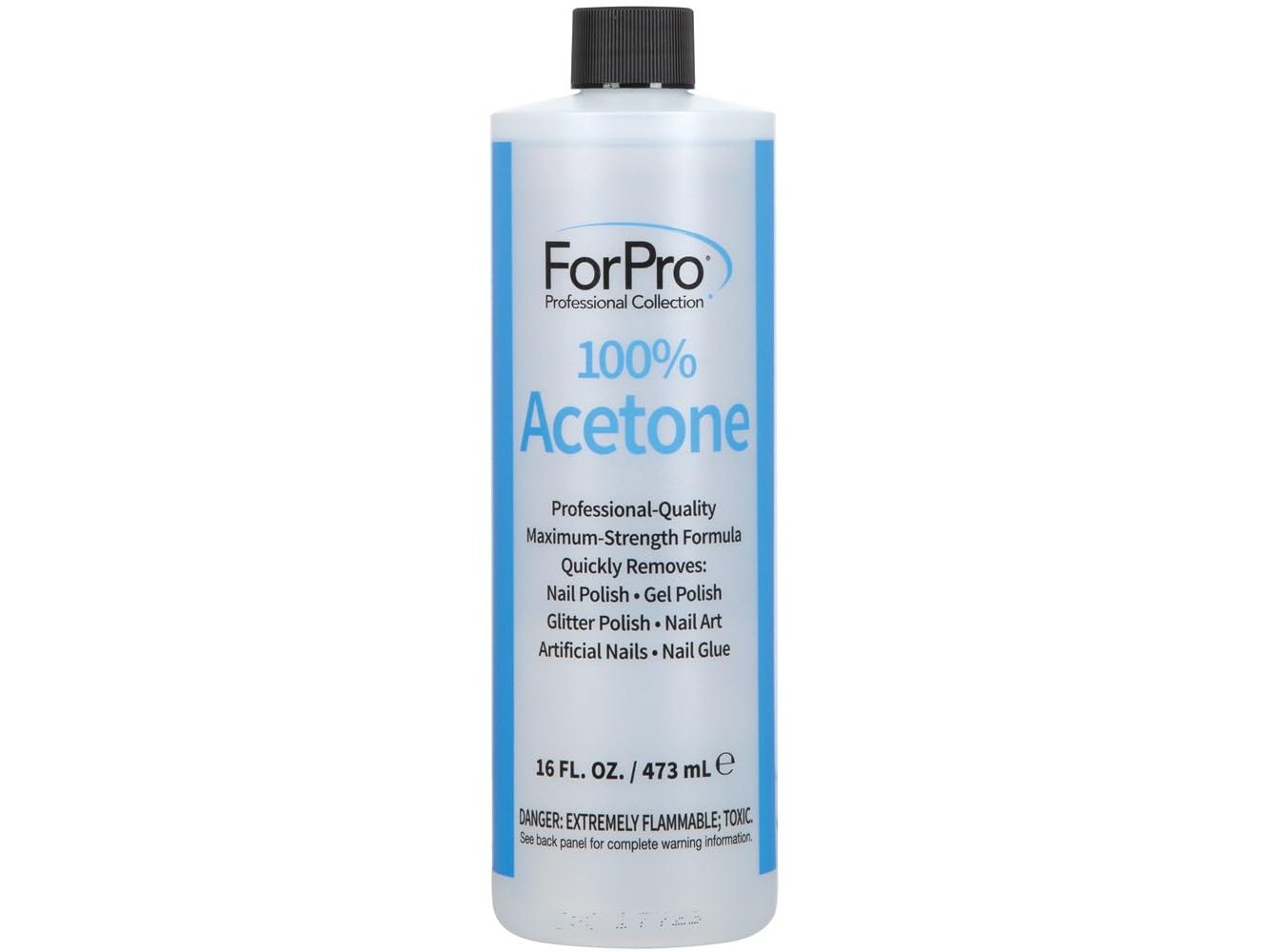
100% Pure Acetone
The strongest common solvent for cured epoxy. It breaks down the resin’s chemical bonds. On bare metal, you can soak the part directly in acetone for fastest results.
Check Price on Amazon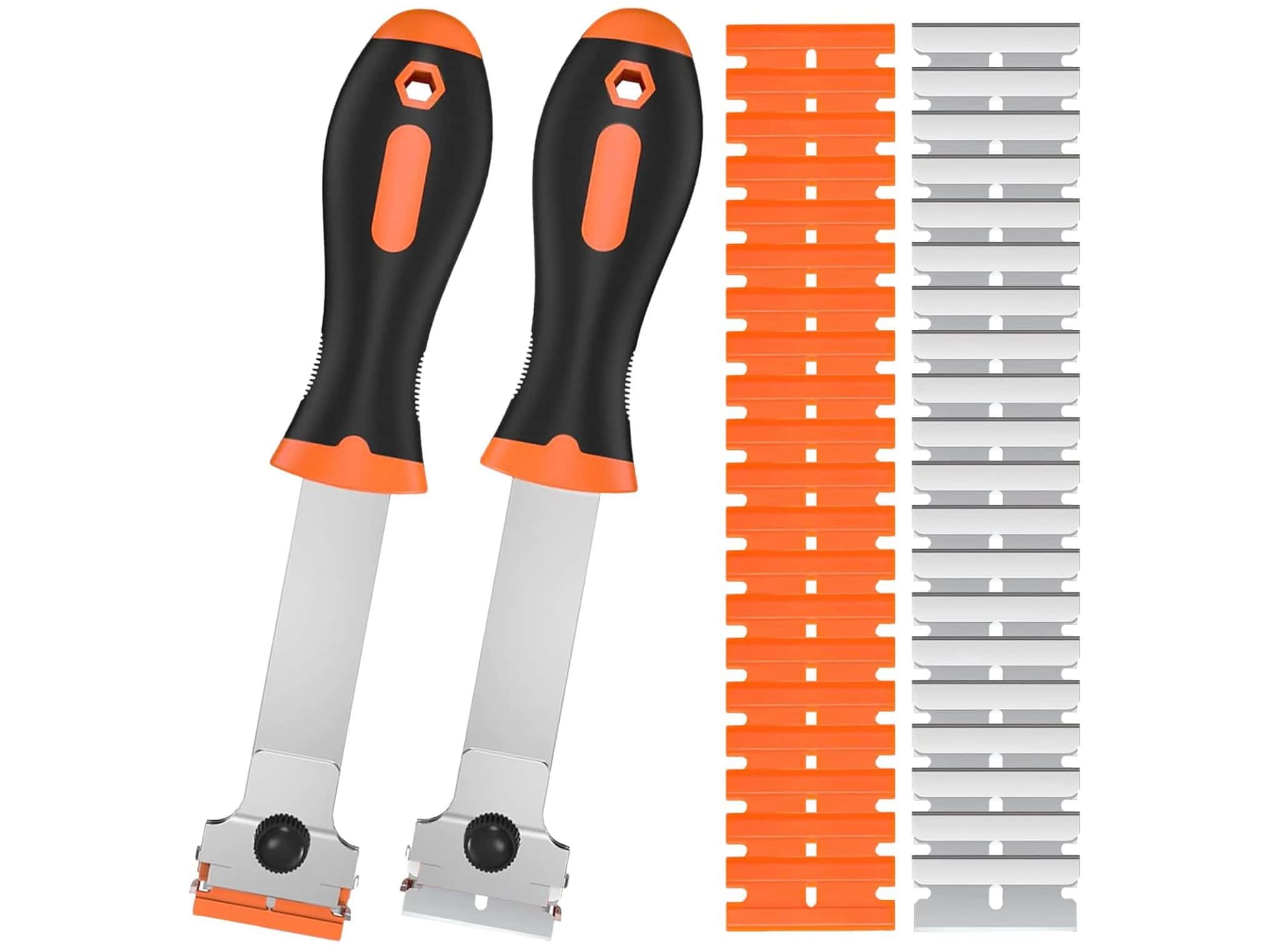
Razor Blade Scraper
Metal on metal is fine—a razor blade won’t damage steel or aluminum. Use it to shave off thick epoxy after softening with heat or acetone.
Check Price on AmazonHeat Gun
Set to 400°F for metal—higher than for tile. Metal conducts heat well, so the epoxy softens fast. Combine with scraping for the quickest removal.
Check Price on AmazonChemical Method (Acetone Soak)
- Soak a cloth in pure acetone and press it against the epoxy. For small parts, submerge them directly in a container of acetone. Let it sit for 15–30 minutes.
- The epoxy will soften and turn gummy. Scrape it off with a razor blade scraper. For stubborn spots, reapply acetone and wait longer.
- Wipe clean with a dry cloth. Acetone evaporates on its own, so no rinsing is needed on bare metal.
Heat Method (Faster)
- Aim the heat gun at 400°F directly at the epoxy for 30–60 seconds. Metal heats quickly, so the epoxy softens fast.
- Scrape with a razor blade while hot. The epoxy should come off in satisfying strips. Wear gloves—the metal gets hot.
- Clean any thin residue with acetone on a cloth.
Never use acetone on painted or powder-coated metal. Acetone strips paint instantly. For painted metal, use heat only and scrape carefully, or use rubbing alcohol which is gentler on coatings.
Vinegar soak for small parts (from woodworking forums): For small metal tools or fittings with epoxy on them, soak them in white vinegar overnight. The acid slowly softens the epoxy enough to peel off by morning. Slower than acetone but less harsh, and you probably already have it in the kitchen.
How to Remove Dried Epoxy Resin from Clothes
This is the hardest one. Dried epoxy resin on clothes has bonded to the fabric fibers, and the solvents strong enough to dissolve it (acetone) can also destroy the fabric. Success depends on the fabric type—cotton and denim have the best chance, synthetics often don’t survive.
100% Pure Acetone
The only solvent that reliably softens cured epoxy. But it will damage acetate, triacetate, and some synthetics. Always test on a hidden area first.
Check Price on AmazonRubbing Alcohol (91%)
Safer than acetone for most fabrics but weaker. Works on partially cured or thin epoxy. Won’t dissolve fully cured thick blobs, but good for residue cleanup.
Check Price on Amazon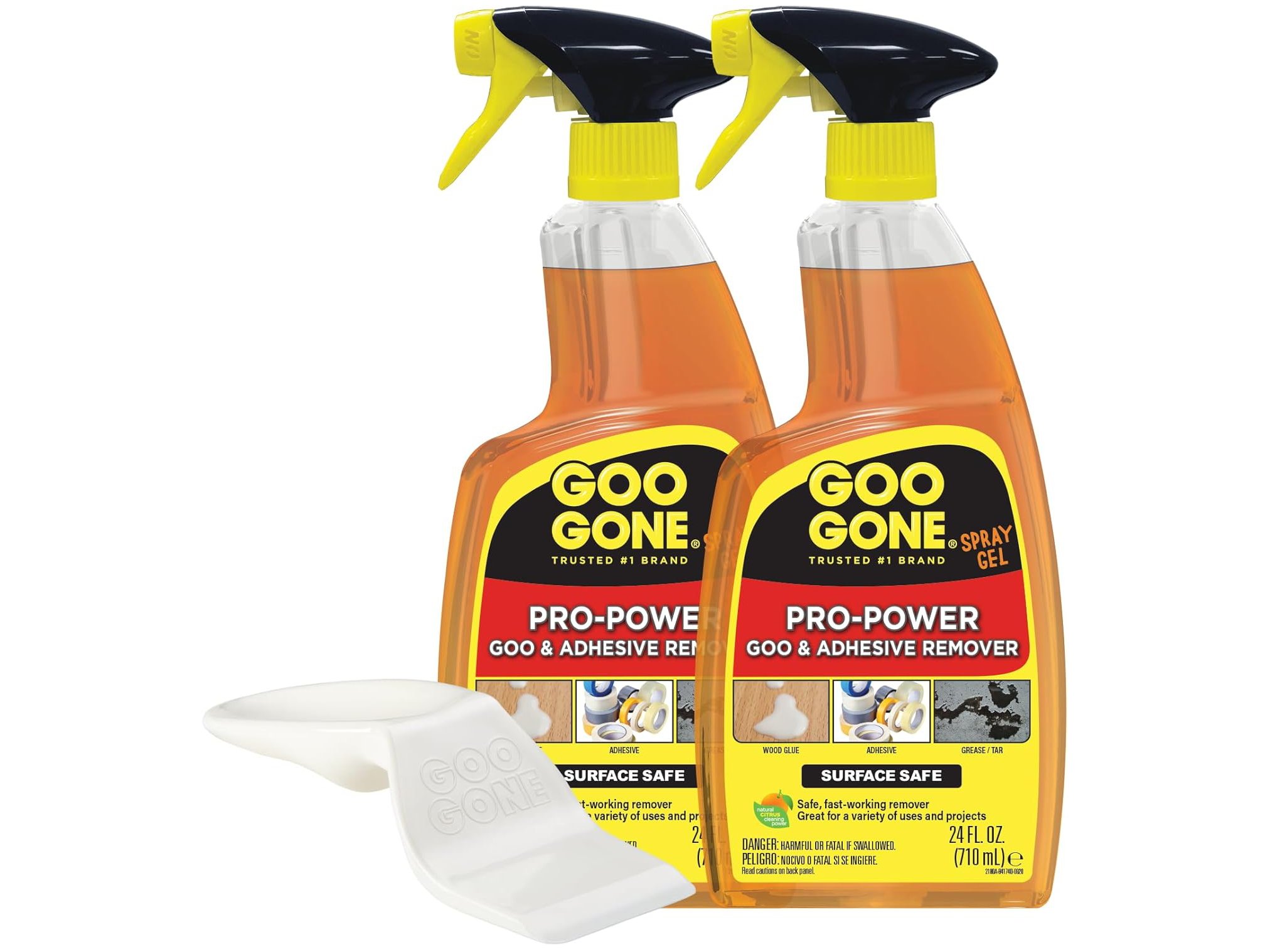
Goo Gone
For the greasy residue after epoxy removal. Goo Gone won’t dissolve cured epoxy itself, but it cleans up the stain and film left behind after acetone treatment.
Check Price on Amazon- Test acetone on a hidden area of the fabric first. Apply a small drop and wait 5 minutes. If the fabric discolors, melts, or weakens—stop. Use rubbing alcohol as a gentler alternative.
- Soak a cotton ball in acetone and press it on the epoxy for 5–10 minutes. Don’t rub—let the solvent do the work. The epoxy should start to soften and turn gummy.
- Scrape the softened epoxy with a dull knife or credit card. Work from the edges inward. Reapply acetone if needed.
- Treat the remaining stain with Goo Gone or rubbing alcohol and launder immediately on the hottest safe setting.
Acetone dissolves synthetic fabrics. Polyester, nylon, spandex, and acetate will melt on contact with acetone. For synthetic clothing with cured epoxy, the garment is usually a loss. For cotton and denim, acetone is generally safe but always test first.
The freezer trick (from resin crafting groups): Put the garment in the freezer for a few hours. Frozen epoxy becomes brittle and can sometimes be cracked and peeled off the fabric fibers without solvents. Works best on thick drips that sit on top of the fabric rather than thin smears that have soaked in.
How to Remove Dried Epoxy from Skin
Cured epoxy on skin is annoying but not dangerous. Don’t pick at it or use harsh solvents on large skin areas. Oil-based methods are safest and most skin-friendly. The epoxy will also naturally wear off in a few days as your skin sheds.
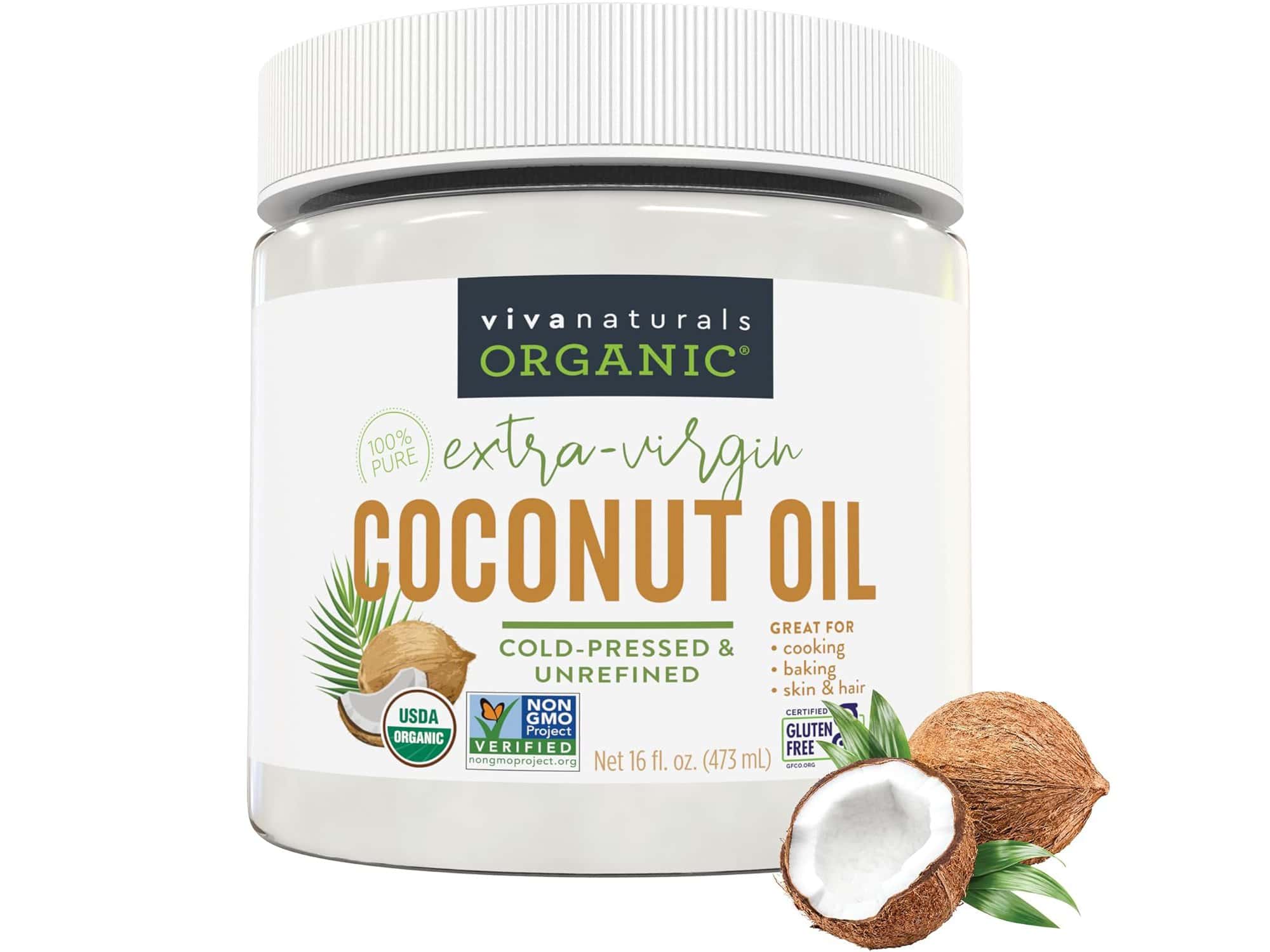
Coconut Oil
Loosens the bond between epoxy and skin without irritation. Massage it into the edges of the epoxy. The oil seeps under the resin and helps it peel off.
Check Price on AmazonRubbing Alcohol (91%)
Stronger than oil for stubborn spots. Use it on small areas only—it dries out skin. Apply with a cotton pad and rub gently until the epoxy loosens.
Check Price on Amazon- Rub coconut oil, olive oil, or petroleum jelly generously into the epoxy. Work it into the edges and underneath. Let it sit for 5–10 minutes.
- Gently peel or roll the epoxy off your skin. It should come off in pieces as the oil breaks the bond. For stubborn spots, use a washcloth for gentle abrasion.
- For thin, stuck residue, use rubbing alcohol on a cotton pad. Rub in small circles. The alcohol dissolves the thin film that oil can’t lift.
- Wash with warm soapy water and moisturize. Both oil and alcohol can dry out skin, so apply hand cream afterwards.
White vinegar soak (from DIY forums): Soak your hands in warm white vinegar for 10–15 minutes. The acetic acid slowly softens the epoxy’s grip on skin. Not as fast as acetone, but completely skin-safe and you can repeat it as many times as needed.
How to Remove Dried Epoxy Resin from Carpet
Epoxy in carpet is one of the toughest cleaning challenges because the resin bonds to individual fibers. Full removal isn’t always possible—but you can remove the bulk and minimize the damage. The sooner you act, the better your chances.
100% Pure Acetone
The most effective solvent for cured epoxy in carpet. Apply carefully and in small amounts—too much can damage carpet backing or dissolve synthetic fibers.
Check Price on AmazonPlastic Scraper
For scraping softened epoxy out of carpet fibers. Work gently to avoid pulling or cutting fibers. A spoon also works well for scooping softened resin.
Check Price on Amazon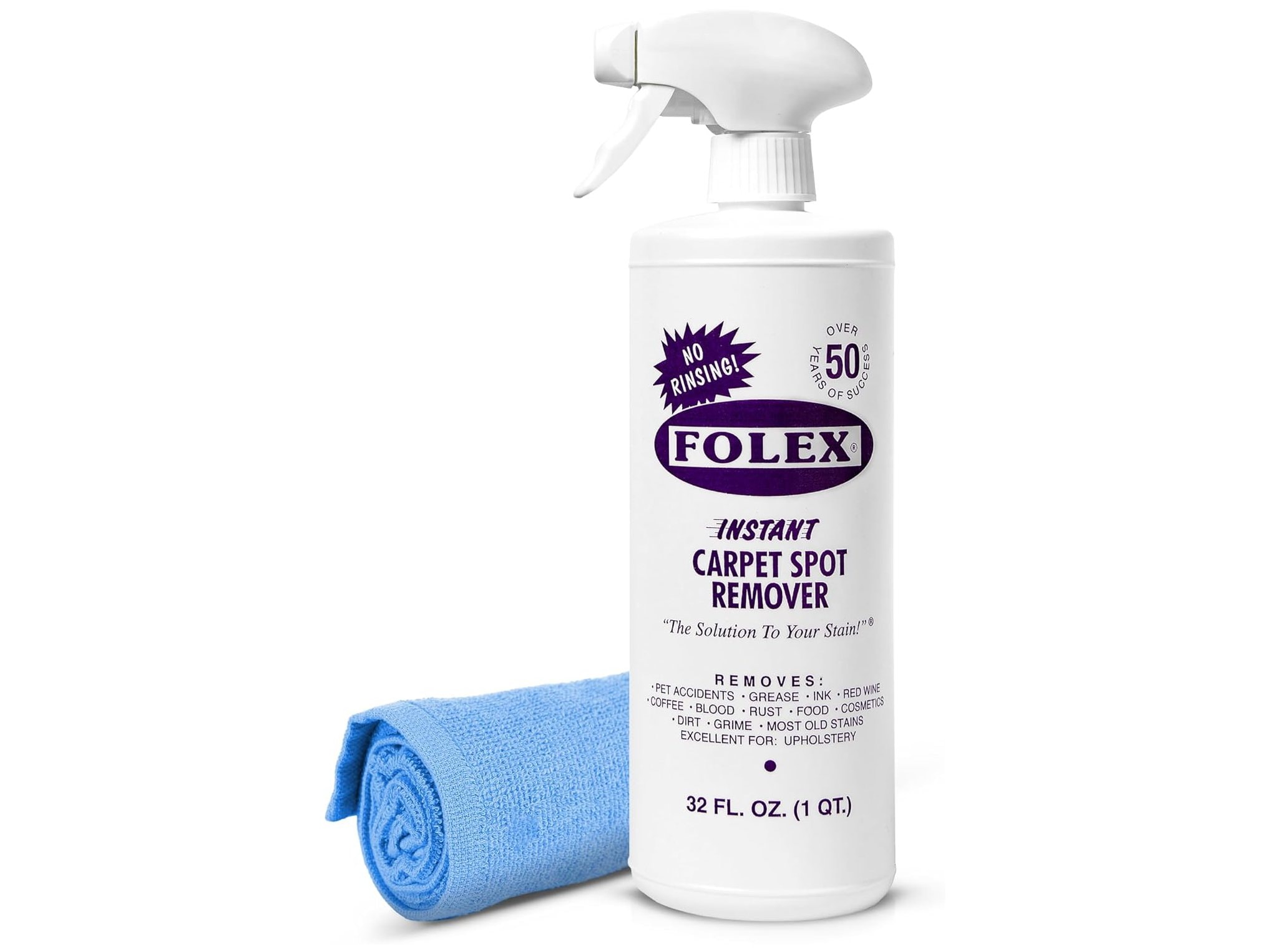
Folex Carpet Stain Remover
For cleanup after the bulk of the epoxy is out. Removes the discolored stain that epoxy leaves behind in carpet fibers.
Check Price on Amazon- Scrape off as much hardened epoxy as possible with a plastic scraper. Get the big chunks out before applying any solvents. Vacuum up the loose pieces.
- Test acetone on a hidden area of carpet first. Some synthetic carpets will dissolve or discolor with acetone. If it passes, proceed.
- Apply a small amount of acetone to a white cloth and dab it onto the epoxy. Don’t pour acetone directly onto carpet—it can dissolve the carpet backing.
- Let the acetone sit for 5 minutes, then scrape the softened epoxy. Repeat: apply, wait, scrape. This may take several rounds for thick spots.
- Clean the area with Folex carpet cleaner to remove any staining and solvent residue. Blot dry with a clean towel.
Acetone can dissolve synthetic carpet fibers and carpet backing adhesive. Always test first. Use the minimum amount needed and don’t let it soak through to the carpet pad. For large spills on synthetic carpet, you may need to cut and patch the affected area.
The trim-and-blend method (from carpet repair pros): If the epoxy is too deep to remove chemically, use small scissors to carefully trim the affected fibers at the base. On plush carpet, the surrounding fibers cover the trimmed spot and make it invisible. This is often the fastest and cleanest fix for small epoxy drips.
How to Remove Dried Epoxy Drips (Wood, Glass & Concrete)
Epoxy drips on workshop surfaces are the most common cleanup task. Each surface needs a different approach—wood is sensitive to solvents, glass is fragile but easy, and concrete is tough but porous.
Heat Gun
Works on all three surfaces. The universal first step for any cured epoxy. Heat until rubbery, then scrape.
Check Price on Amazon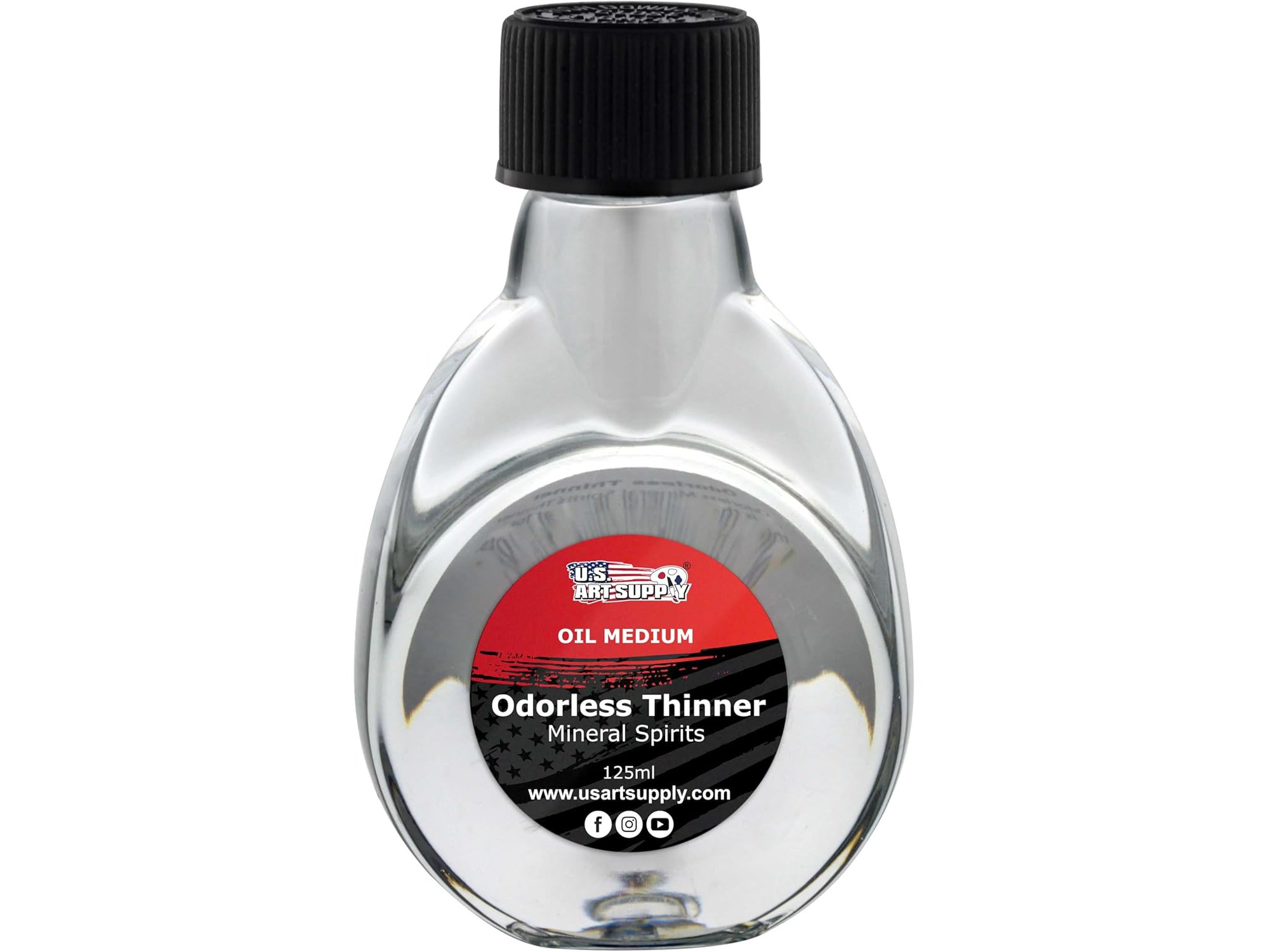
Mineral Spirits (Odorless)
Safe for finished wood where acetone isn’t. Won’t strip wood stain or polyurethane. Dissolves the thin residue layer after scraping.
Check Price on AmazonRazor Blade Scraper
Essential for glass and concrete. On glass, hold at 30–45 degrees for clean removal. On concrete, use to shave down thick drips after heating.
Check Price on AmazonOn Wood (Finished)
- Apply gentle heat with a heat gun on low (200°F). Don’t overheat finished wood—too much heat can blister the finish.
- Scrape with a plastic scraper. Metal blades will gouge wood. Work slowly and lift the softened epoxy in small sections.
- Clean residue with mineral spirits on a cloth. Mineral spirits dissolve epoxy residue without stripping wood finish. Don’t use acetone on finished wood—it strips stain and polyurethane.
On Glass
- Use a razor blade scraper at a 30–45 degree angle. On glass, you often don’t even need heat—a sharp blade slides under the epoxy and pops it off clean.
- For stubborn residue, soak with acetone or rubbing alcohol and scrape again. Glass can handle any solvent without damage.
- Clean with glass cleaner for a streak-free finish.
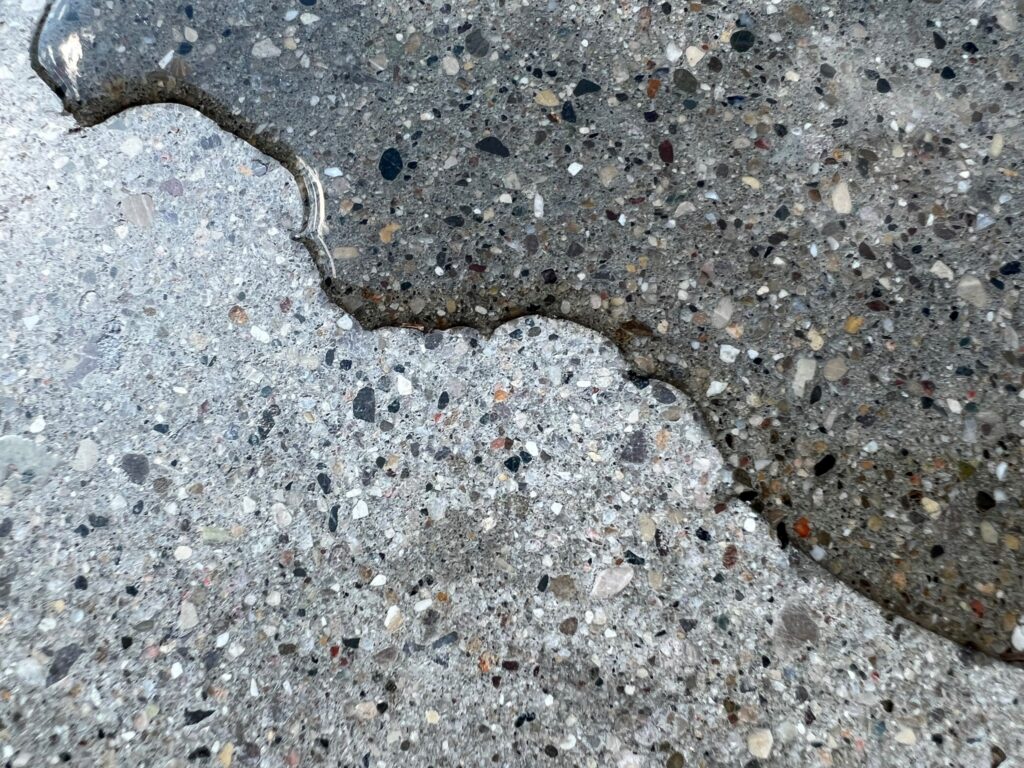
On Concrete
- Heat the epoxy with the heat gun at 400°F. Concrete can handle high heat without damage.
- Scrape with a razor blade scraper or chisel. Concrete is porous, so epoxy grips harder. You may need to combine heat and mechanical force.
- For large areas, use a floor scraper or angle grinder with a diamond cup wheel. This is the nuclear option for thick epoxy coatings on garage floors.
- Clean remaining film with acetone. On bare concrete, any solvent is safe.
Never use acetone on finished wood. It dissolves polyurethane, lacquer, and wood stain on contact. Stick to mineral spirits or heat only. On bare, unfinished wood, acetone is safe but it may raise the grain.
Frequently Asked Questions
Does vinegar dissolve dried epoxy?
It softens it, but doesn’t dissolve it. White vinegar (acetic acid) can loosen the bond between epoxy and the surface over time, especially with an overnight soak. It works best on skin and small metal parts. For thick cured epoxy on hard surfaces, vinegar alone isn’t strong enough—use heat or acetone.
Can you sand off cured epoxy?
Yes, and it’s often the best approach for large flat areas. Start with 80-grit sandpaper to remove the bulk, then step up to 120 and 220-grit to smooth the surface. An orbital sander speeds up the process significantly. This works well on wood, concrete, and fiberglass but will scratch glass and metal.
Will acetone damage the surface underneath?
It depends on the surface. Acetone is safe on bare metal, glass, ceramic, concrete, and unfinished wood. It will damage painted surfaces, plastic, synthetic fabrics, finished wood (strips the finish), and some laminates. Always test on a hidden area first.
How long does epoxy take to fully cure?
Most epoxies are touch-dry in 24 hours but fully cure in 7 days. This matters because partially cured epoxy (within the first 24–48 hours) is much easier to remove with solvents. After full cure at 7 days, heat becomes more effective than chemicals. The sooner you catch a spill, the easier cleanup will be.
Is cured epoxy toxic to touch?
No—fully cured epoxy is chemically inert and safe to touch. The danger is during mixing and application when uncured epoxy can cause skin irritation and allergic reactions. Once fully hardened, it’s just plastic. However, sanding cured epoxy creates dust that you shouldn’t inhale—always wear a dust mask when sanding.
Bottom Line: Dried epoxy is tough but not invincible. Heat softens it, acetone dissolves it, and scraping removes it. Match the method to the surface—aggressive on metal and concrete, gentle on wood and fabric—and always test solvents on a hidden area first. The sooner you catch a spill, the easier the cleanup.