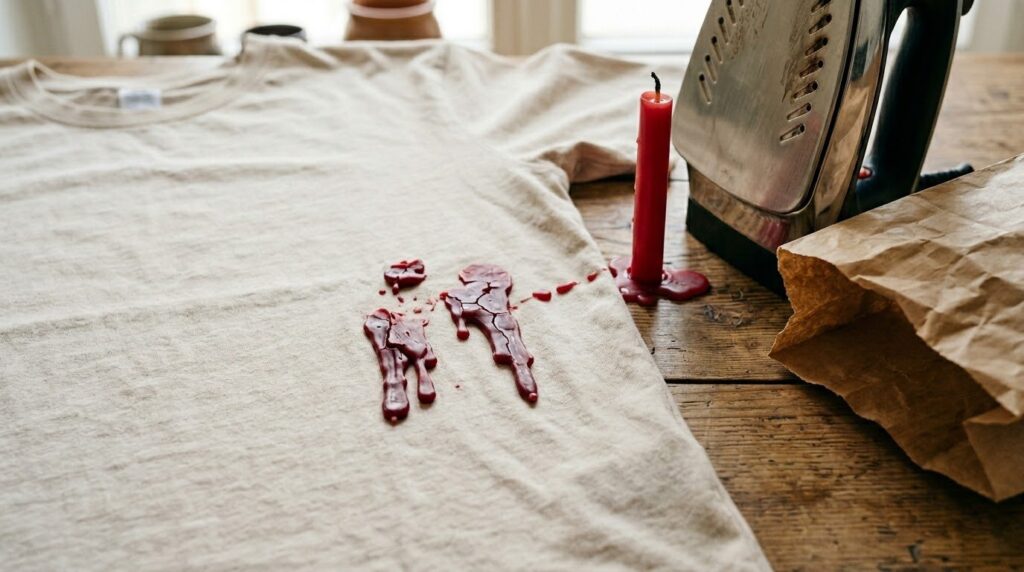
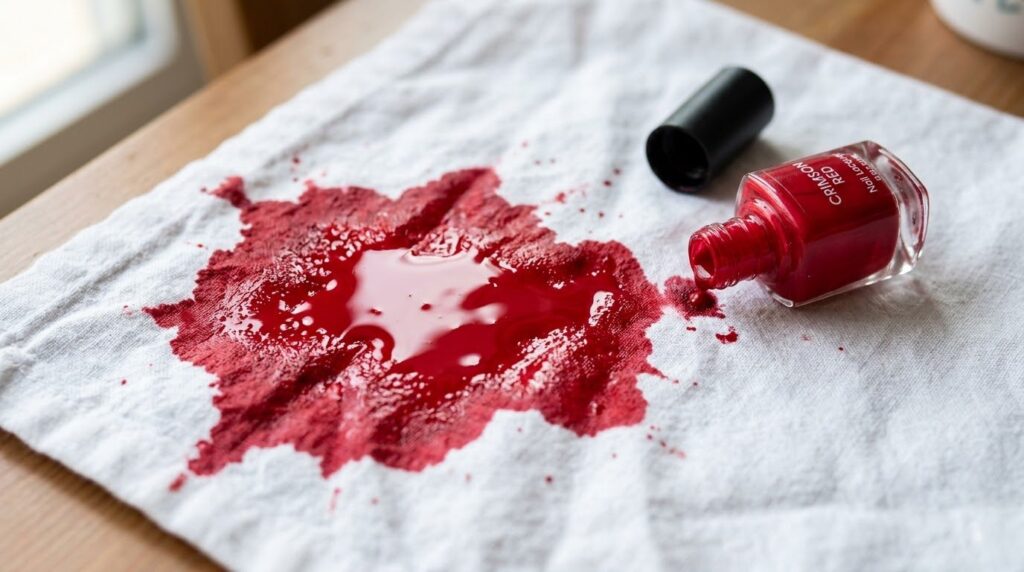
You just knocked over a bottle of nail polish onto your favourite shirt. Or your carpet. Or your sofa. And now there’s a bright streak of colour soaking into the fabric while you stand there frozen. Don’t panic—but don’t grab water either. Water won’t dissolve nail polish; it just spreads the stain wider.
Here’s the good news: you can remove nail polish from clothes, carpet, skin, and almost every other surface if you use the right method. Below we cover 6 proven approaches—with the exact products that work and home remedies you already have.
How to Remove Nail Polish from Clothes, Carpet & Skin
To remove nail polish from clothes, never rub—blot it. Use non-acetone remover or acetone on natural fibers (never on synthetics). For carpet, blot with rubbing alcohol or a carpet-safe stain remover. For skin without acetone, use coconut oil or hand sanitizer to dissolve the polish gently. Always test any solvent on a hidden area first.
Jump to Your Stain
Pick your surface — get the fix.
How to Remove Nail Polish from Clothes
Knowing how to remove nail polish from clothes depends on two things: whether the stain is still wet or already dry, and what the fabric is made of. Natural fibers like cotton and linen can handle stronger solvents, while synthetics need a gentler approach. According to the EPA’s guidance on nail product solvents, acetone and ethyl acetate are the most effective at dissolving nail lacquer—but using the wrong one on the wrong fabric will make things worse.
Never use acetone on synthetic fabrics (polyester, nylon, spandex, acetate, rayon). Acetone dissolves these fibers on contact. Always check the care label before applying any solvent. If it says “acetate” or “triacetate”—even non-acetone remover can cause damage.
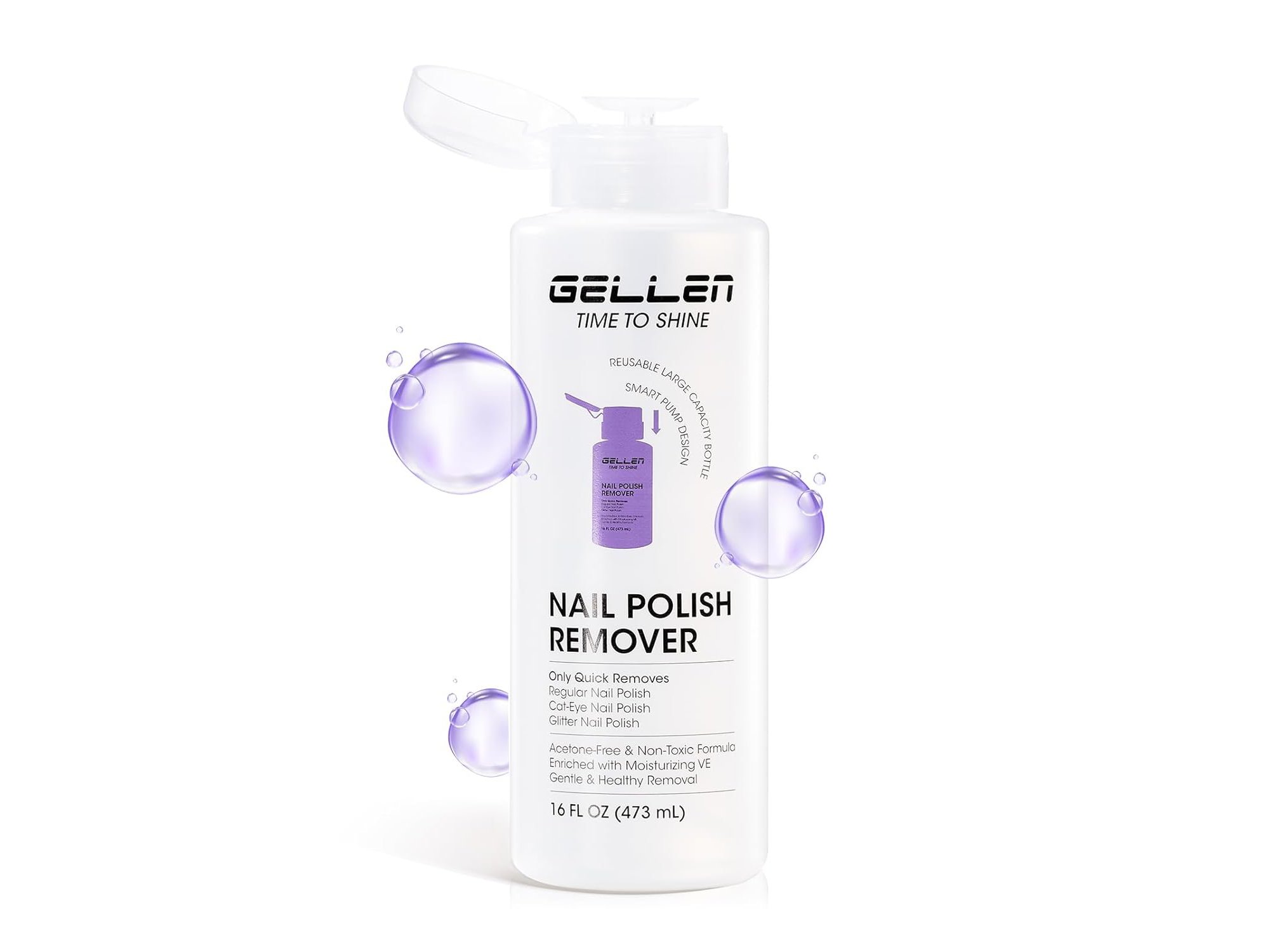
Non-Acetone Nail Polish Remover
Safer for delicate and blended fabrics. Uses ethyl acetate instead of acetone—dissolves polish without melting synthetic fibers. Your go-to for anything you’re unsure about.
Check Price on Amazon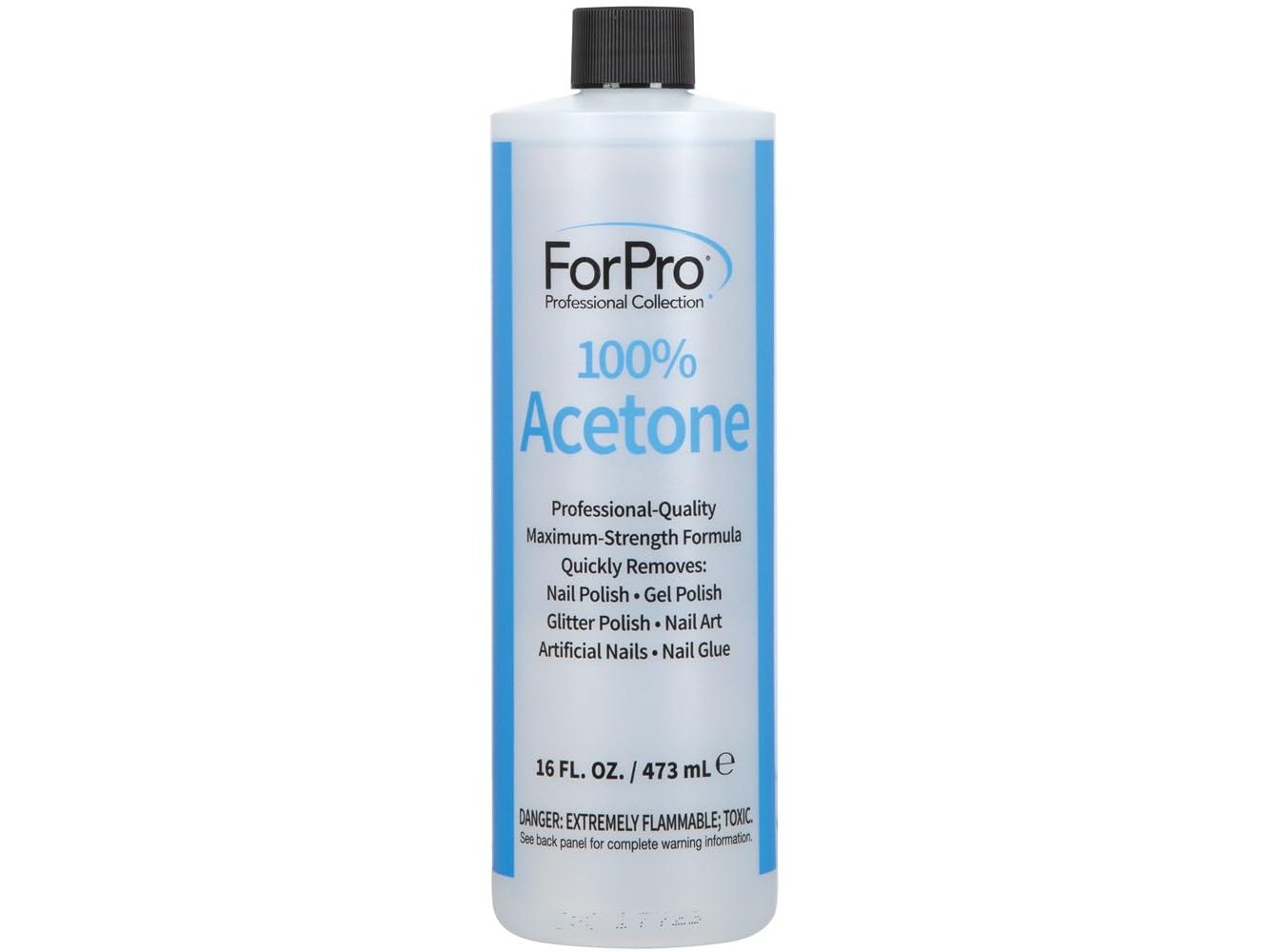
100% Pure Acetone
The most effective solvent for nail polish—dissolves it fast. But only safe on natural fabrics like cotton, denim, and linen. Never use on synthetics.
Check Price on Amazon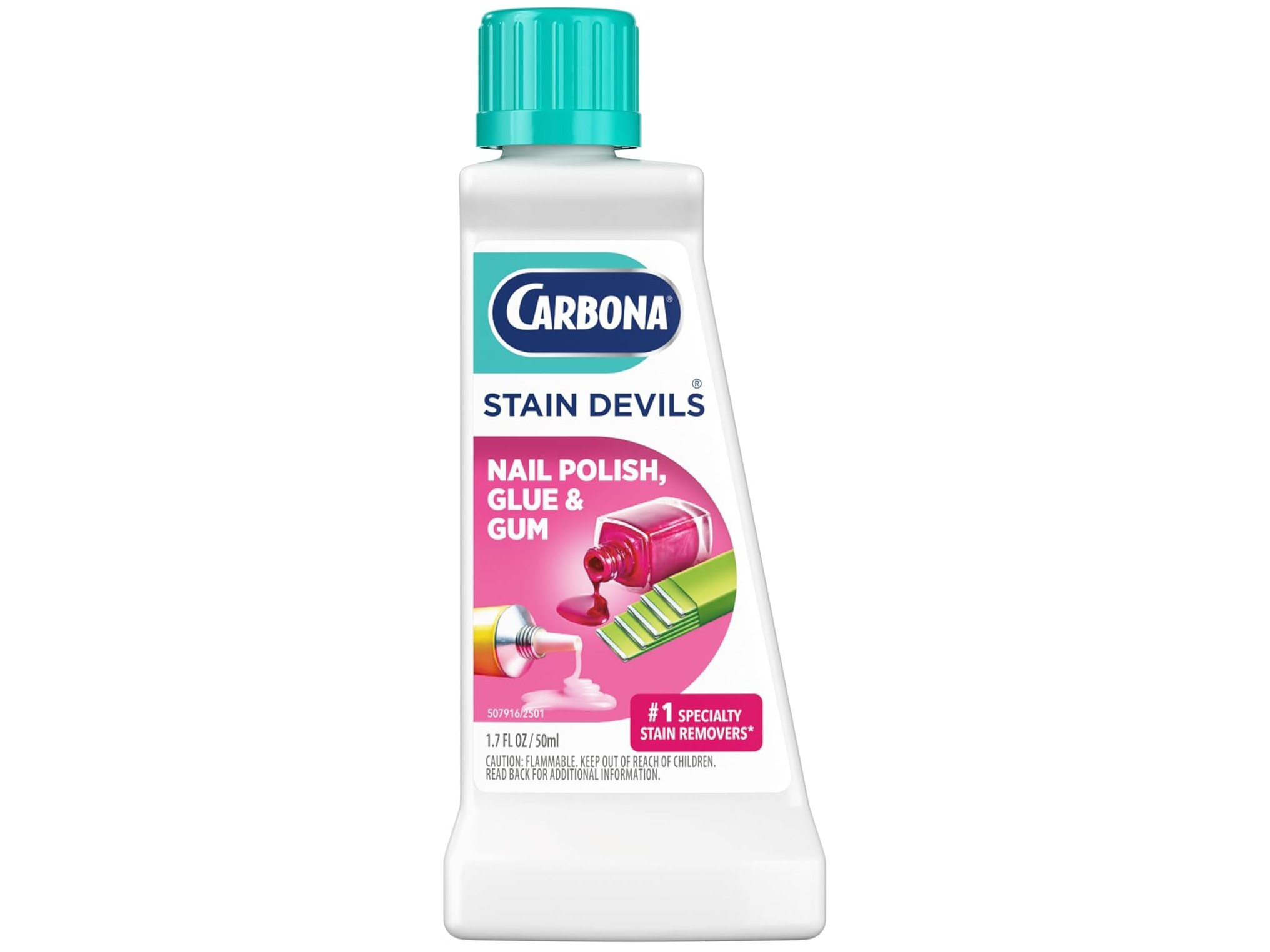
Carbona Stain Devils (#8 — Nail Polish)
Specifically formulated for nail polish stains on fabric. Safer than raw acetone, works on most washable materials, and designed to lift colour without bleaching.
Check Price on AmazonIf the Stain Is Still Wet
- Blot immediately—don’t rub. Grab a paper towel or clean cloth and press down on the stain to absorb as much wet polish as possible. Rubbing spreads it deeper into the fibers.
- Slide cardboard or a towel behind the stain to prevent it bleeding through to the other side of the fabric.
- Apply your solvent—acetone for natural fabrics, non-acetone remover for synthetics or blends. Dab it onto the stain from the back of the fabric so you’re pushing the polish out, not in.
- Blot with a clean white cloth, rotating to a fresh area as the polish transfers. You’ll see the colour lifting. Repeat until no more colour comes off.
- Rinse with cold water, then launder as normal. Check the stain before putting it in the dryer—heat sets nail polish permanently.
If the Stain Has Dried
- Scrape off the top layer with a butter knife or the edge of a spoon. Remove as much dried polish as you can without damaging the fabric.
- Place the stain face-down on a folded paper towel. This way the solvent pushes the polish out through the back.
- Soak the back of the stain with acetone or non-acetone remover. Let it sit for 2–3 minutes to soften the dried polish.
- Blot from behind with a clean cloth. The dissolved polish will transfer onto the paper towel underneath. Replace the paper towel as it absorbs colour.
- For stubborn traces, apply Carbona Stain Devils directly and follow the product instructions. Then launder on the warmest setting the fabric allows.
Never put a stained garment in the dryer until the nail polish is completely gone. Heat permanently sets nail polish stains into fabric fibers, making them impossible to remove from clothes afterwards.
How to Remove Nail Polish from Clothes (Home Remedies)
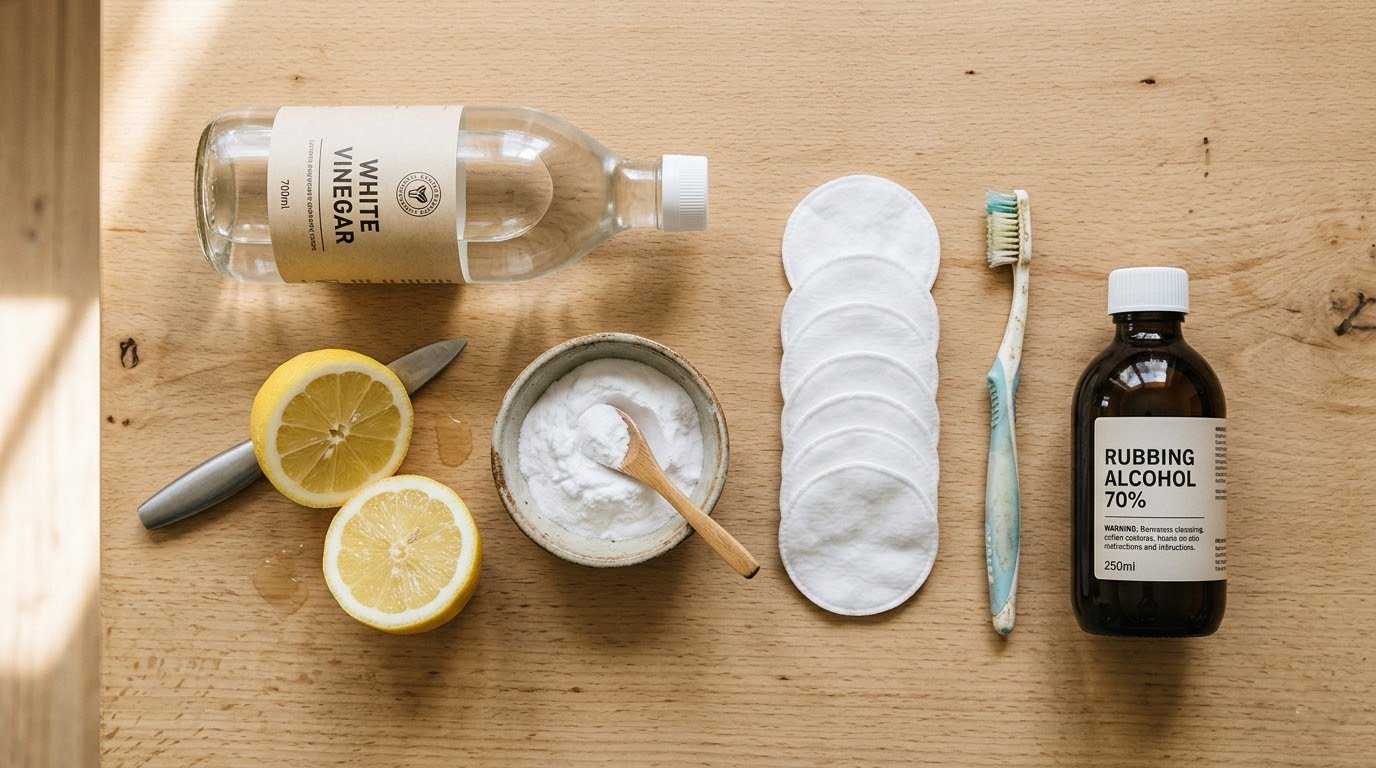
Don’t have nail polish remover on hand? You can still remove nail polish from clothes with home remedies using things you probably already have. They’re gentler than acetone, which makes them slower—but also safer on delicate fabrics.
Isopropyl Rubbing Alcohol (91%)
The most effective home alternative to acetone. At 91% concentration, it dissolves nail polish without melting synthetic fibers. The 70% version works but takes longer.
Check Price on Amazon
Hydrogen Peroxide (3%)
Works as both a solvent and a mild bleaching agent—great for white or light-coloured fabrics. On dark fabrics it can cause discolouration, so test first.
Check Price on Amazon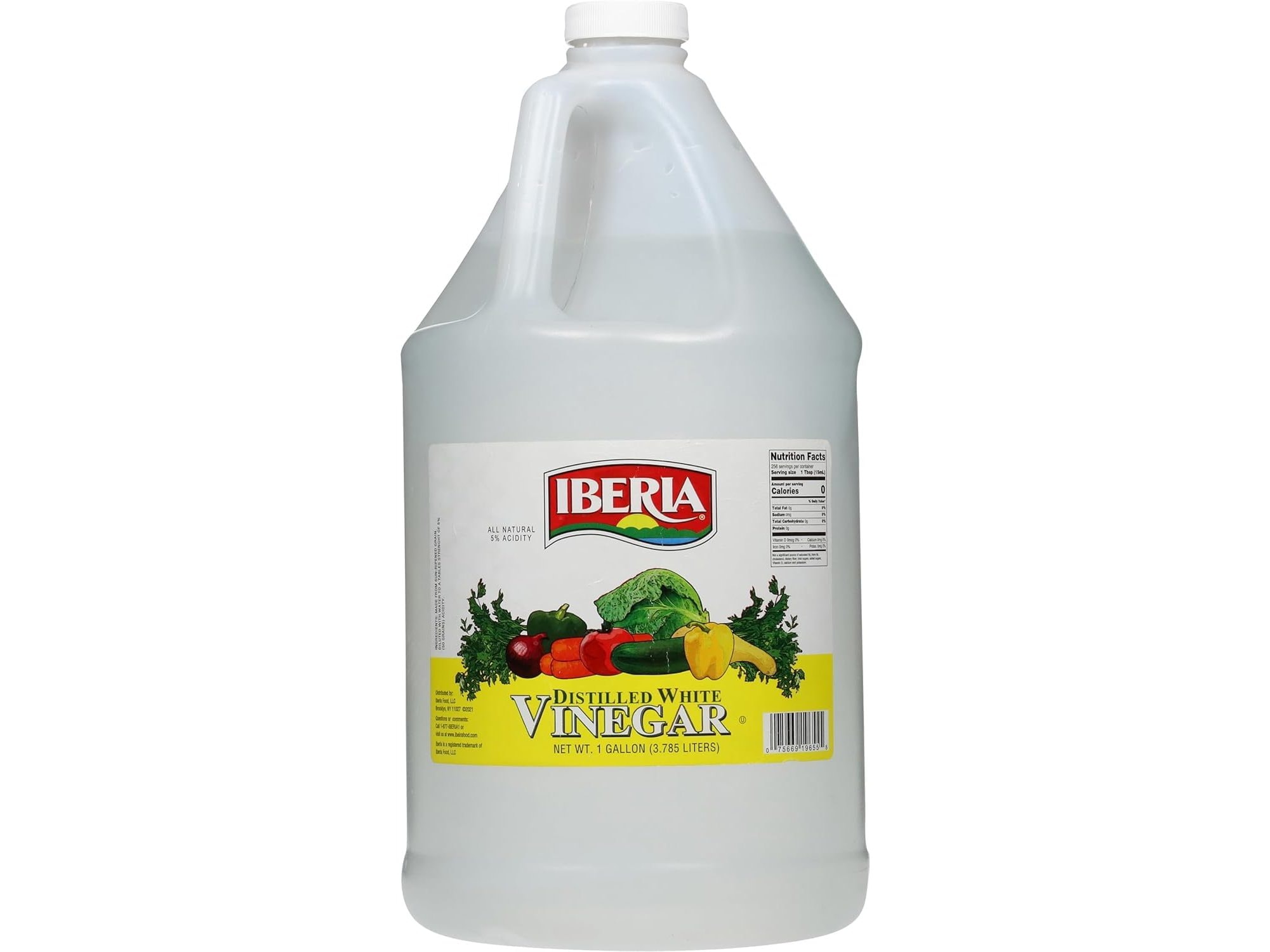
White Distilled Vinegar
Mild acetic acid that softens dried polish without damaging fabric. Works best when heated and combined with lemon juice for extra dissolving power.
Check Price on AmazonMethod 1: Rubbing Alcohol
The closest thing to nail polish remover you’ll find in your medicine cabinet. Works on both natural and synthetic fabrics.
- Soak a cotton ball in 91% rubbing alcohol and press it onto the stain. Hold for 30 seconds to let it start dissolving the polish.
- Blot with a clean cloth, rotating to a fresh spot as the colour lifts. Repeat the soak-and-blot cycle until no more colour transfers.
- Rinse with cold water and launder as normal.
Method 2: Hairspray
The old-school trick. It works because most hairsprays contain alcohol as a solvent. Look for one with a high alcohol content—the cheaper the hairspray, the more alcohol it usually has.
Some hairsprays contain oils or silicones that can leave their own stain. Test on a hidden seam first. If the hairspray feels oily or leaves a residue, switch to rubbing alcohol instead.
- Spray the stain generously with hairspray, saturating it. The alcohol needs to soak through the polish.
- Let it sit for 20–30 seconds, then scrub gently with an old toothbrush in small circles.
- Blot with a damp cloth and repeat. Rinse and launder once the colour has lifted.
Method 3: White Vinegar + Lemon Juice
The gentlest option. Best for delicate fabrics where you don’t want to risk alcohol or acetone.
- Mix equal parts white vinegar and lemon juice in a small bowl. Warm the mixture slightly in the microwave (15 seconds)—heat improves its dissolving power.
- Soak a cotton pad in the mixture and press it onto the stain for 5–10 minutes. The acid slowly softens the dried polish.
- Scrub gently with an old toothbrush, then blot with a clean cloth. This method takes patience—repeat 3–4 times for a dried stain.
- Rinse with cold water and launder as normal.
See It In Action
Watch how common home remedies work on nail polish stains:
Method 4: Hydrogen Peroxide (Light Fabrics Only)
Hydrogen peroxide can bleach coloured fabrics. Only use this method on white or very light-coloured clothing. Test on a hidden area first—even on white fabric, some dyes react unpredictably.
- Soak a cotton ball in 3% hydrogen peroxide and press it onto the stain. Hold for 1–2 minutes.
- Blot with a clean white cloth. The peroxide dissolves the polish while gently lifting the colour.
- Rinse immediately with cold water to stop the bleaching action. Launder as normal.
How to Remove Nail Polish from Fabric (Upholstery, Curtains & More)
Knowing how to remove nail polish from fabric that you can’t throw in the washing machine—sofas, armchairs, curtains, car seats—requires a different approach. You can’t soak it, you can’t flip it, and you need to avoid saturating the padding underneath.
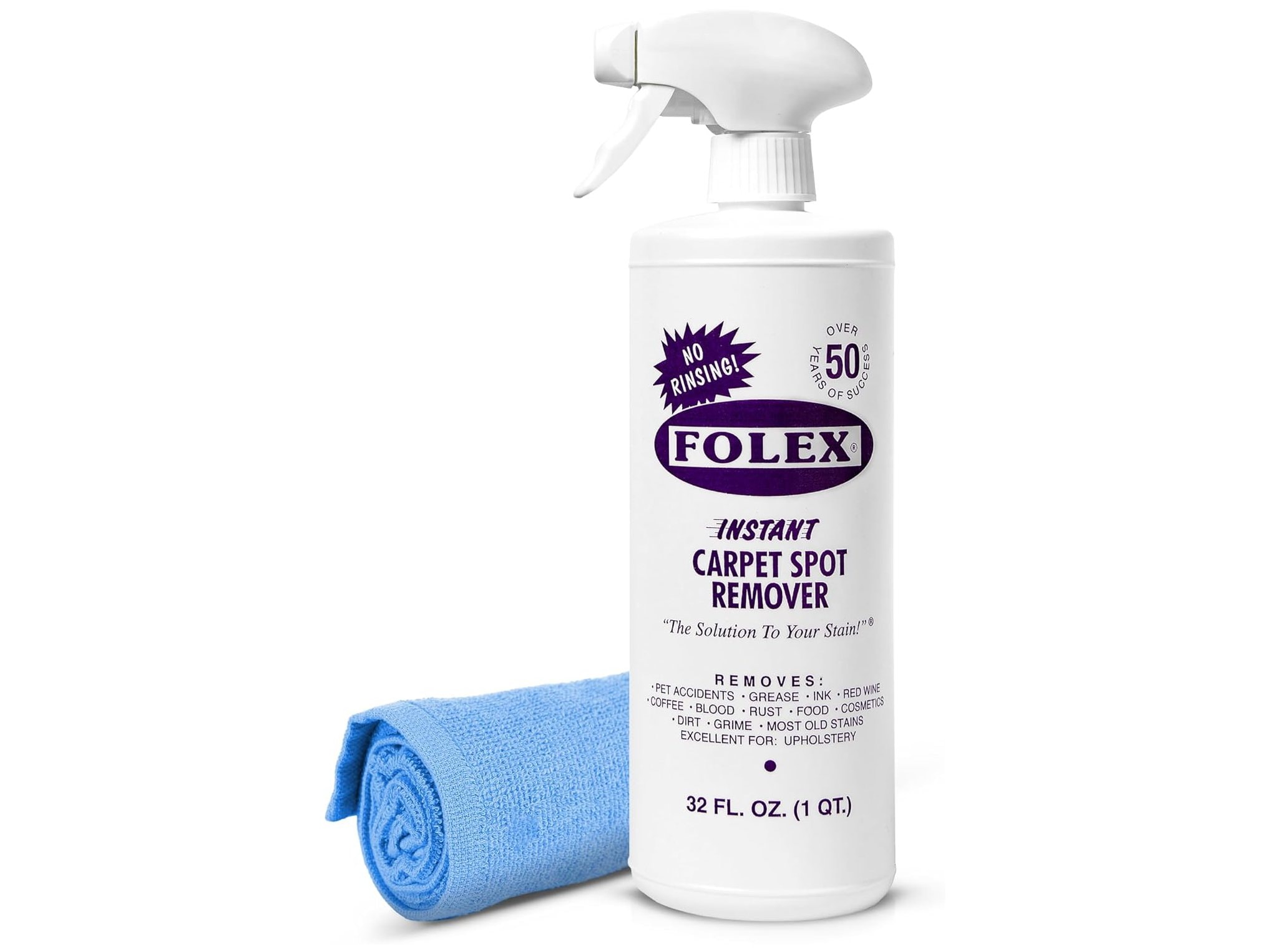
Folex Carpet & Upholstery Stain Remover
Water-based, no rinsing needed, safe on virtually all fabrics. Works by breaking the bond between the stain and the fibers without harsh solvents. The go-to for anything you can’t machine wash.
Check Price on Amazon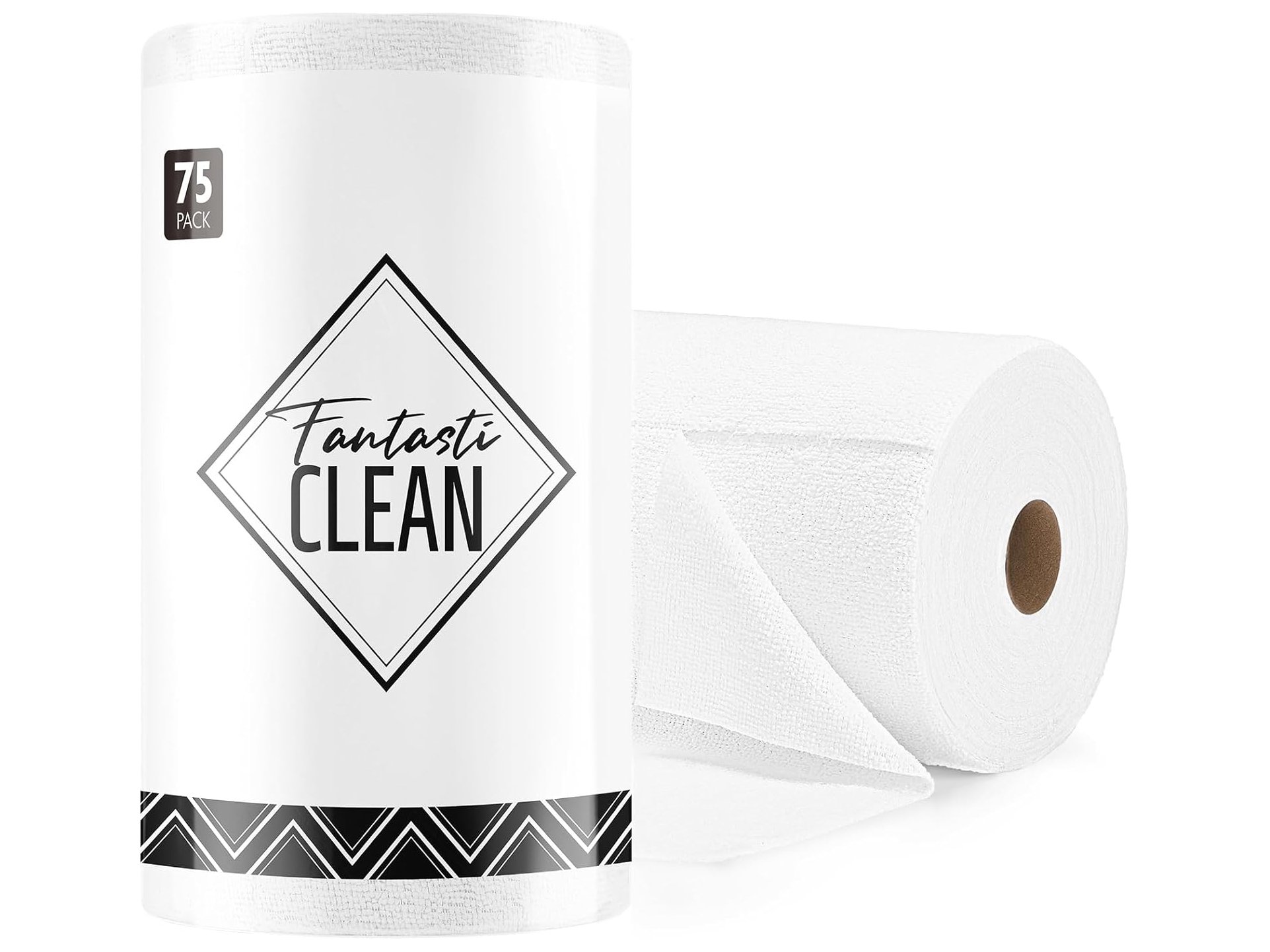
Microfiber Cleaning Cloths (White)
White cloths won’t transfer dye onto your upholstery. The fine microfiber texture picks up dissolved polish without scratching. Use white so you can see the stain lifting.
Check Price on AmazonCheck the upholstery care tag before applying anything. If you see “W” you can use water-based cleaners. “S” means solvent-only. “WS” means either. “X” means vacuum only—call a professional. Using the wrong type of cleaner can cause permanent water marks or damage.
- Blot wet polish immediately. Don’t rub. Use paper towels to absorb as much as possible before it dries.
- Test your cleaner on a hidden area—under a cushion or behind a curtain fold. Wait 5 minutes and check for discolouration.
- Apply Folex (or non-acetone remover) to a white microfiber cloth—not directly onto the upholstery. You want to control exactly how much liquid touches the fabric.
- Dab the stain from the outside edges inward to prevent spreading. Press and lift, press and lift. Rotate to a clean section of the cloth each time.
- For dried stains, gently scrape off the top layer first with a plastic scraper, then follow the same blotting method.
- Blot with a clean damp cloth to remove any residual cleaner, then let it air dry completely.
How to Remove Nail Polish from Carpet
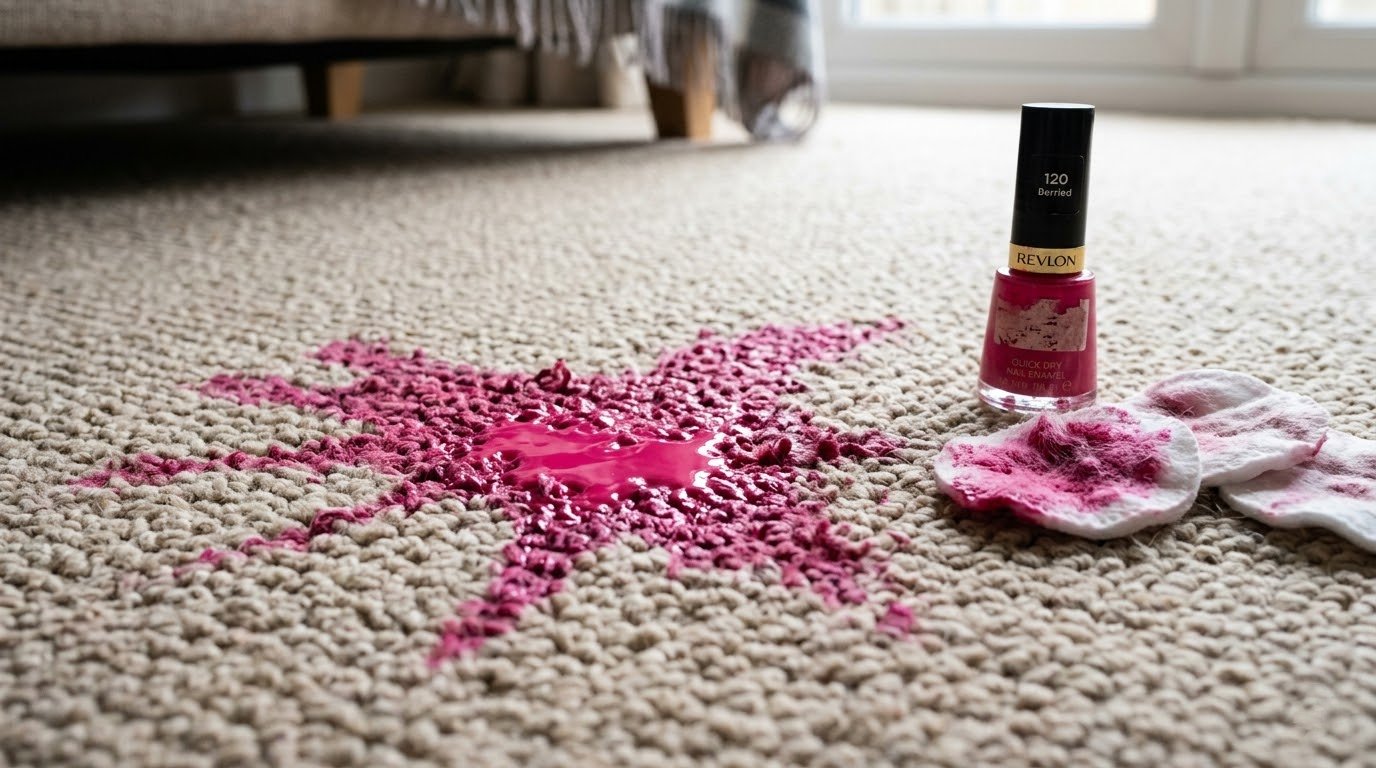
Spilling nail polish on carpet feels like a disaster, but how to remove nail polish from carpet is actually straightforward if you act fast. The key difference from clothes: you can’t flip it, you can’t soak it, and you absolutely cannot rub—that pushes the polish deeper into the carpet pile.
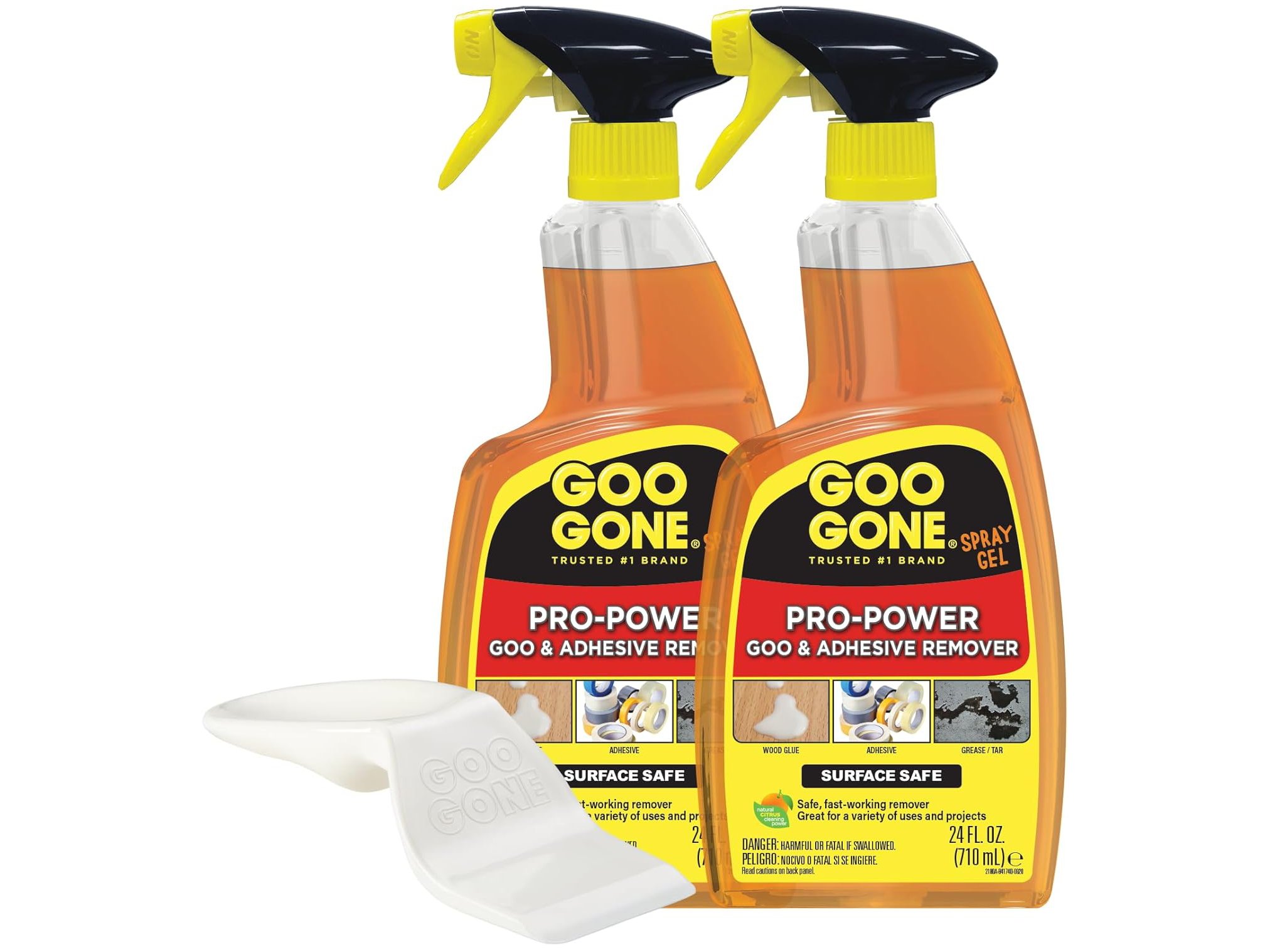
Goo Gone Stain Remover
Citrus-based formula that’s safe on carpet fibers. Breaks down nail polish without the harshness of acetone. Won’t bleach or discolour most carpets—but always test a hidden area first.
Check Price on Amazon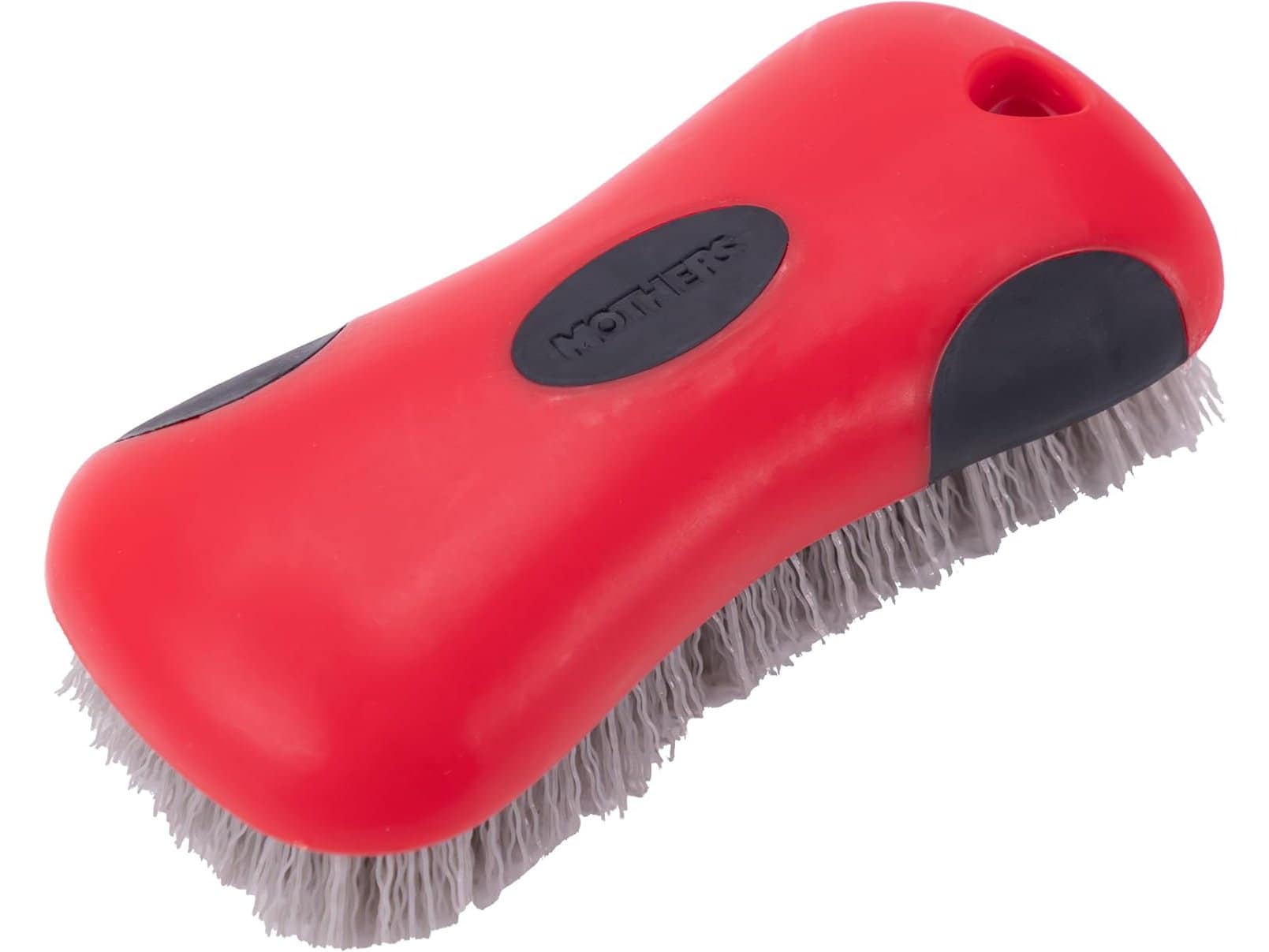
Carpet Stain Brush (Soft Bristle)
Soft enough to work solvent into carpet pile without damaging fibers. Stiff brushes can fray carpet—a soft-bristle brush lifts dissolved polish without pulling threads.
Check Price on AmazonDo not use acetone on carpet. Most carpets are made from synthetic fibers (nylon, polyester, polypropylene) and acetone will dissolve or bleach them. Stick to non-acetone removers, rubbing alcohol, or carpet-specific stain removers.
For Wet / Fresh Spills
- Blot immediately with paper towels. Press down firmly and lift—don’t wipe or rub. Absorb as much liquid polish as you can.
- Apply Goo Gone or non-acetone remover to a white cloth and dab the stain gently. Work from the outside edges inward to stop it spreading.
- Blot with a clean damp cloth to lift the dissolved polish. Repeat the solvent-and-blot cycle until the colour stops transferring.
- Rinse the area by blotting with cold water on a clean cloth, then press dry towels onto the spot to absorb moisture. Let it air dry.
For Dried / Set-In Stains
- Scrape off as much dried polish as possible with a butter knife or spoon. Be gentle—you don’t want to pull carpet fibers.
- Saturate the stain with rubbing alcohol or Goo Gone and let it sit for 5 minutes to soften the dried polish.
- Work the solvent in gently with a soft carpet brush using small circular motions. You’ll see the polish start to dissolve and transfer onto the brush.
- Blot with a white cloth, reapply solvent, and repeat until the stain is gone.
How to Remove Nail Polish from Skin (Without Acetone)
Need to know how to remove nail polish from skin without acetone? Maybe you’ve run out of remover, your skin is sensitive, or you’re removing polish from a child’s hands. Acetone works but it’s harsh—it dries skin out badly and the fumes aren’t great. These alternatives are gentler and surprisingly effective.
Method 1: Oil-Based Removal (Gentlest)
Best for sensitive skin, children, and anyone who wants the least harsh option. Oil dissolves nail polish slowly but safely, with zero skin irritation.
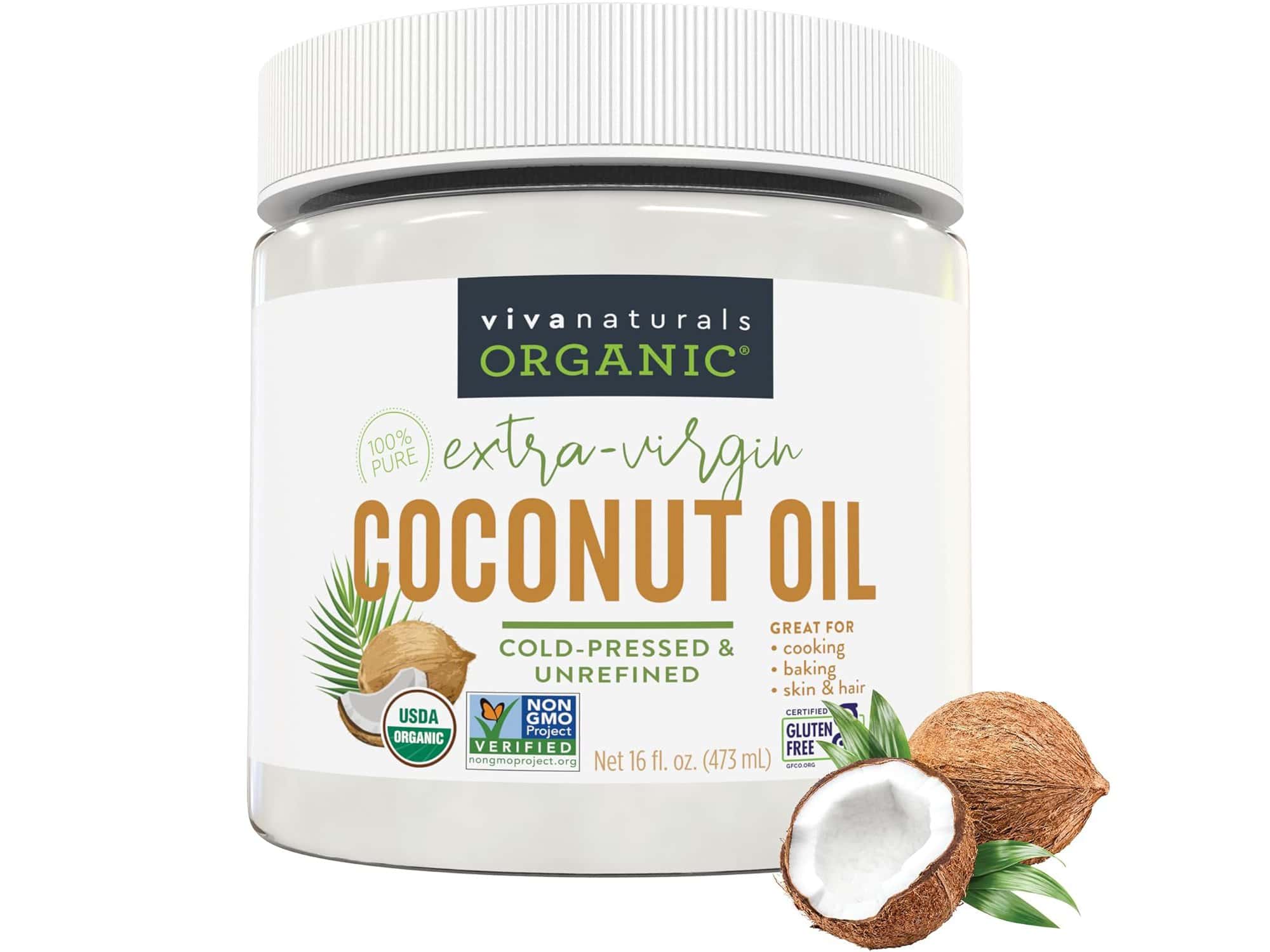
Organic Coconut Oil (Cold-Pressed)
Dissolves nail polish while moisturising your skin. The fatty acids break down the polish bond gently. Completely safe for children and sensitive skin.
Check Price on Amazon
Petroleum Jelly (Vaseline)
Creates a slippery barrier that loosens polish from skin. Completely non-toxic, fragrance-free, and safe for anywhere on the body including around eyes and cuticles.
Check Price on Amazon- Rub a generous amount of coconut oil or petroleum jelly directly onto the polished skin. Cover the entire area thickly.
- Let it sit for 5–10 minutes. The oil needs time to break down the polish bond. For thick layers, wait a full 10 minutes.
- Rub in small circles with a cotton pad or cloth. The polish will start to crumble and lift. For stubborn spots, add more oil and keep working.
- Wash with warm soapy water. Your skin will be moisturised rather than dried out—the opposite of the acetone experience.
Method 2: Rubbing Alcohol / Hand Sanitizer
Faster than oil but slightly harsher. Good when you need the polish off quickly and don’t have sensitive skin.
Acetone-Free Nail Polish Remover Wipes
Pre-soaked, mess-free, travel-friendly. Uses ethyl acetate to dissolve polish without drying your skin. Keep a pack in your bag for emergencies.
Check Price on AmazonIsopropyl Rubbing Alcohol (91%)
Dissolves nail polish quickly and evaporates clean. More effective than hand sanitizer because there’s no gel or fragrance getting in the way.
Check Price on Amazon- Soak a cotton pad in rubbing alcohol (or squeeze a blob of hand sanitizer onto the polish). Press and hold for 15–20 seconds.
- Rub firmly in one direction. The polish will dissolve and transfer onto the cotton pad. Use a fresh pad as each one gets saturated.
- Wash with soap and water and apply hand cream afterwards—alcohol dries skin, though not as badly as acetone.
Avoid rubbing alcohol on broken skin, cuts, or around eyes. It stings badly and can irritate sensitive areas. For faces and children, stick to the oil method above.
How to Remove Nail Polish from Hardwood Floors & Countertops
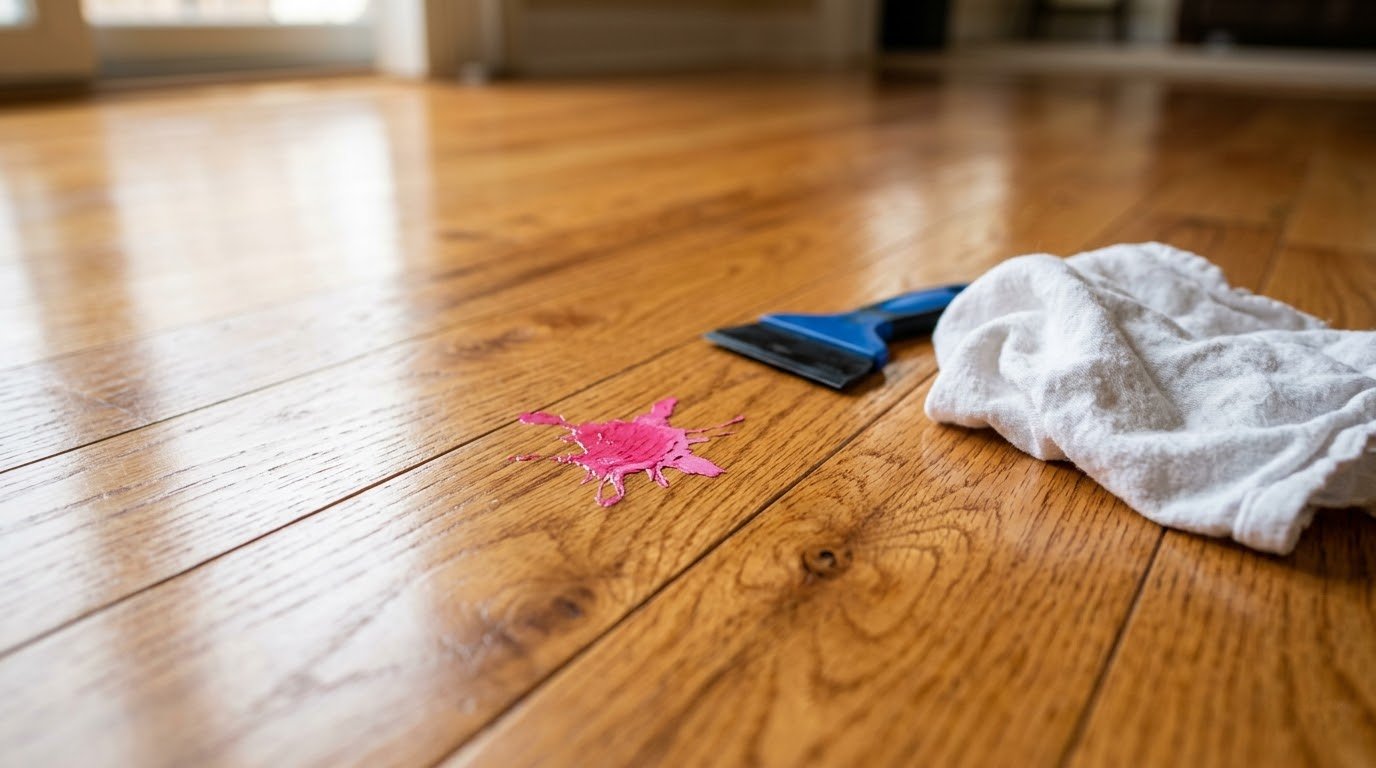
Nail polish on a hardwood floor or stone countertop is nerve-wracking because you’re dealing with surfaces that scratch easily and can be permanently stained by the wrong solvent. The method depends entirely on whether the surface is sealed or unsealed.
Mineral Spirits (Odorless)
Dissolves nail polish without damaging wood finishes or stone sealant. Gentler than acetone on sealed surfaces. Evaporates cleanly without leaving residue.
Check Price on Amazon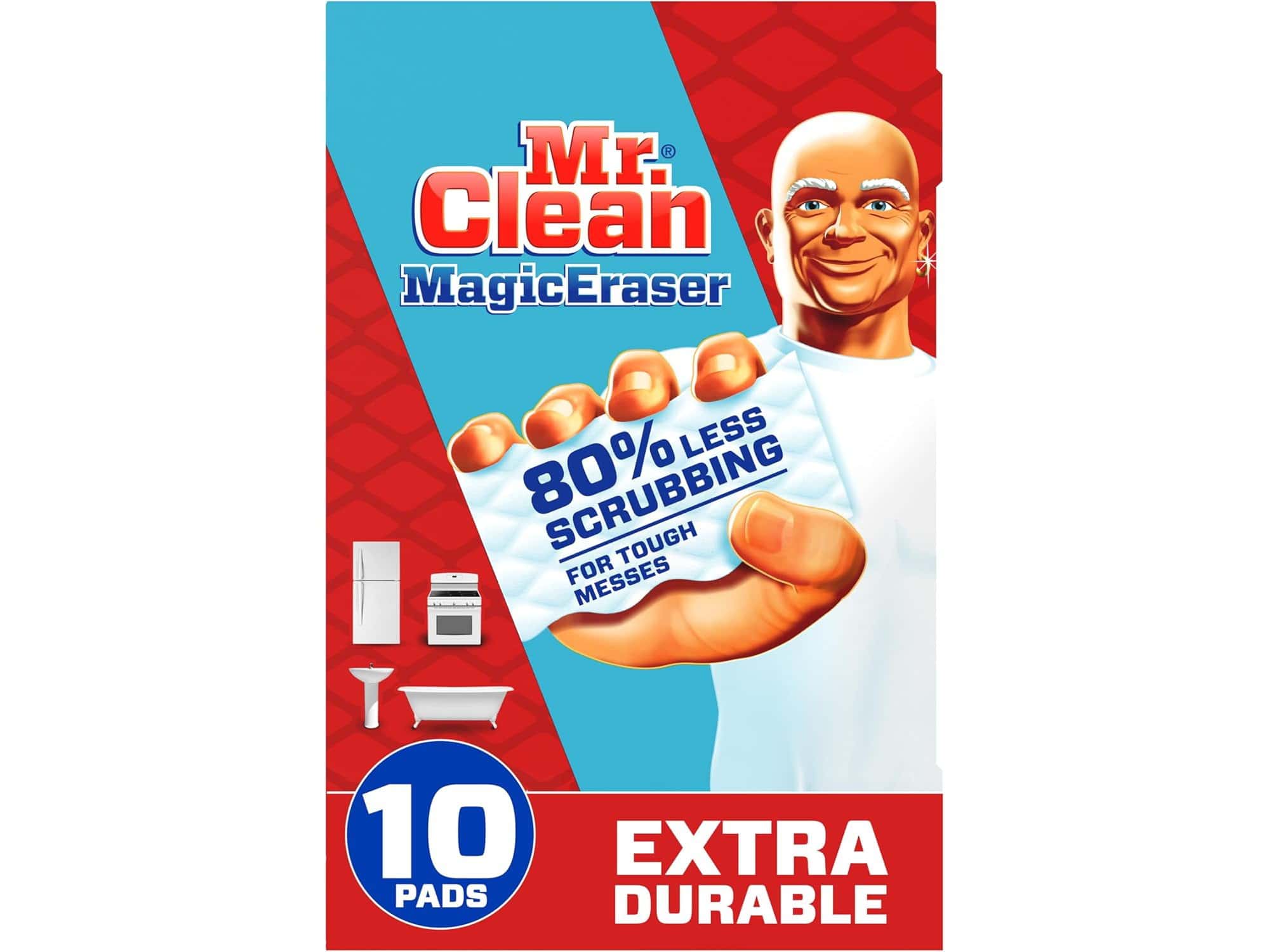
Mr. Clean Magic Eraser
Melamine foam acts as an ultra-fine abrasive. Lifts dried polish residue from sealed surfaces without scratching. Works surprisingly well on laminate and tile too.
Check Price on Amazon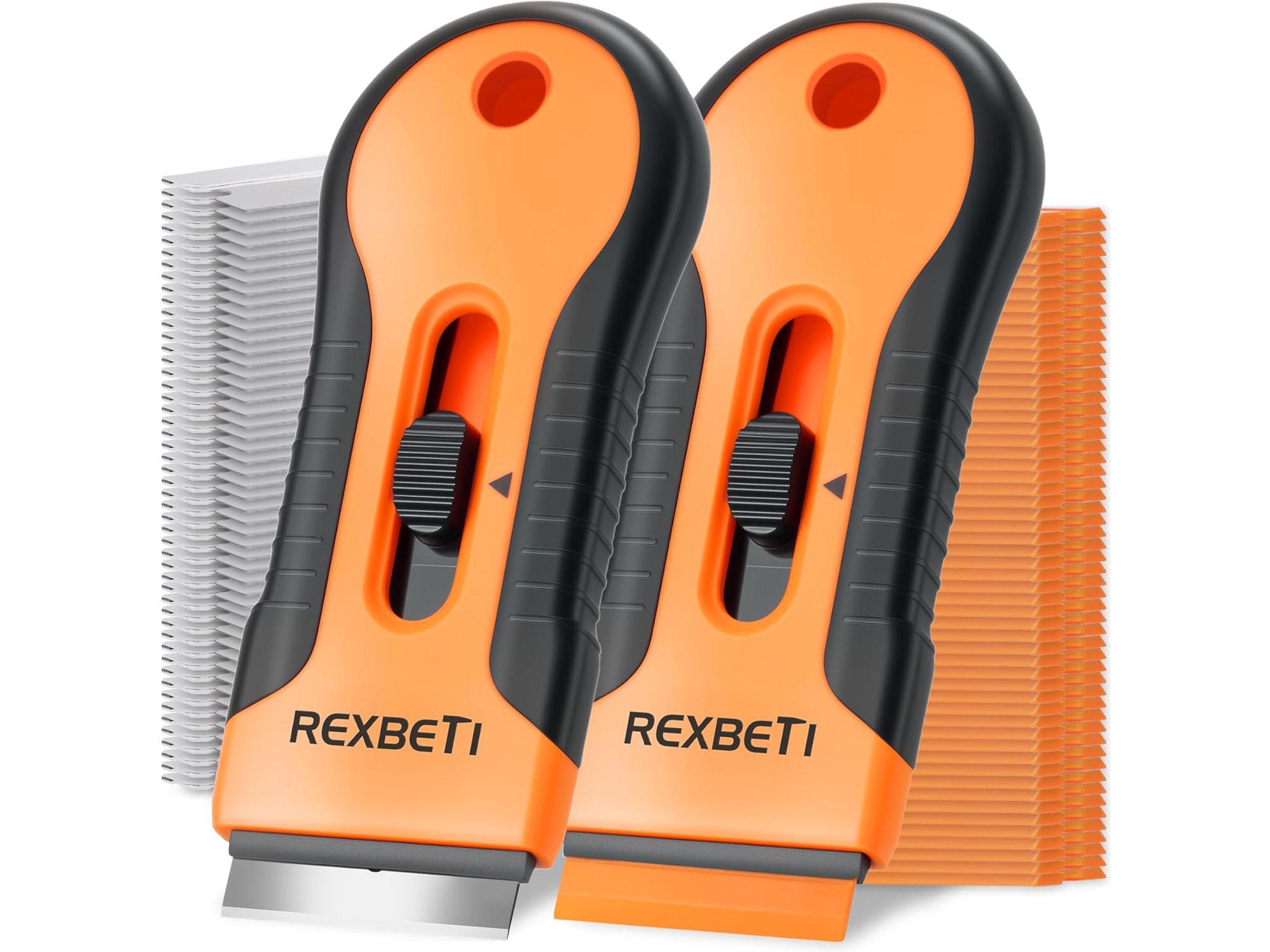
Plastic Razor Blades
Hard enough to scrape dried polish, too soft to scratch wood or stone. A steel blade would gouge your floor—plastic gives you the scraping power without the risk.
Check Price on AmazonDo not use acetone on hardwood floors, laminate, or natural stone (marble, granite, quartz). Acetone strips wood finishes instantly, clouds laminate, and etches stone. Use mineral spirits or rubbing alcohol instead.
For Sealed Hardwood & Laminate
- Wipe up wet polish immediately with a paper towel. Don’t let it sit—nail polish bonds to wood finishes fast.
- Dampen a cloth with mineral spirits and gently wipe the remaining stain. Work in the direction of the wood grain.
- For dried polish, scrape gently with a plastic razor blade held flat against the surface, then follow with mineral spirits on a cloth.
- Buff with a clean dry cloth and apply a thin coat of floor polish or furniture wax to restore the sheen.
For Natural Stone (Marble, Granite, Quartz)
- Blot wet polish immediately—stone is porous and absorbs quickly, even when sealed.
- Apply rubbing alcohol to a soft cloth and dab gently. Avoid mineral spirits on unsealed stone—it can stain.
- For dried polish, use a Magic Eraser dampened with water and rub gently in small circles. The melamine foam lifts the polish without scratching.
- Rinse with clean water and dry immediately. Reseal the stone if needed.
Frequently Asked Questions
Does nail polish come out of clothes after drying?
Yes, but it’s harder. Dried nail polish is more difficult to remove from clothes than wet, but it’s far from permanent. Acetone (on natural fabrics) or non-acetone remover (on synthetics) will dissolve it with patience. The critical thing is don’t put the garment in the dryer before the stain is fully out—heat makes it permanent.
Will nail polish remover bleach clothes?
It can. Acetone can strip dye from some fabrics, especially dark colours and delicate materials. Non-acetone remover is less likely to cause bleaching but can still affect sensitive dyes. Always test on a hidden area first—an inside seam or hem. If the colour changes, switch to rubbing alcohol or the vinegar-lemon method instead.
Can you use hairspray to remove nail polish?
Yes, if it contains alcohol. Older hairspray formulas had high alcohol content and worked well. Modern hairsprays vary—check the ingredients for isopropyl alcohol or ethanol. If it doesn’t list alcohol in the first few ingredients, it probably won’t be effective. Rubbing alcohol is more reliable and cheaper.
How do you get nail polish off a child’s skin safely?
Use coconut oil or olive oil. Rub it generously onto the polish and let it sit for 10 minutes, then gently rub off with a soft cloth. It’s completely non-toxic, won’t irritate their skin, and actually moisturises. Never use acetone or rubbing alcohol on young children’s skin—it absorbs faster through their thinner skin.
Does hand sanitizer remove nail polish?
It can, but slowly. Hand sanitizer contains alcohol (usually 60–70%) which dissolves nail polish. It’s less effective than pure rubbing alcohol because of the added gel, fragrance, and moisturisers. In a pinch it works—apply a thick layer, let it sit 30 seconds, then rub off with a cloth. 91% rubbing alcohol will work faster.
Can nail polish stain a carpet permanently?
Only if you use the wrong removal method. The polish itself can almost always be removed. The permanent damage happens when people use acetone on synthetic carpet (which melts the fibers) or rub the stain aggressively (which pushes it deeper). Blot, don’t rub, and use a carpet-safe solvent—that’s the recipe for full removal.
Bottom Line: Whether you need to remove nail polish from clothes, carpet, or skin, the approach is the same—blot instead of rub, match the solvent to the surface, and never use the dryer until the stain is fully gone. Grab the right product, be patient, and your surfaces will be clean again.