
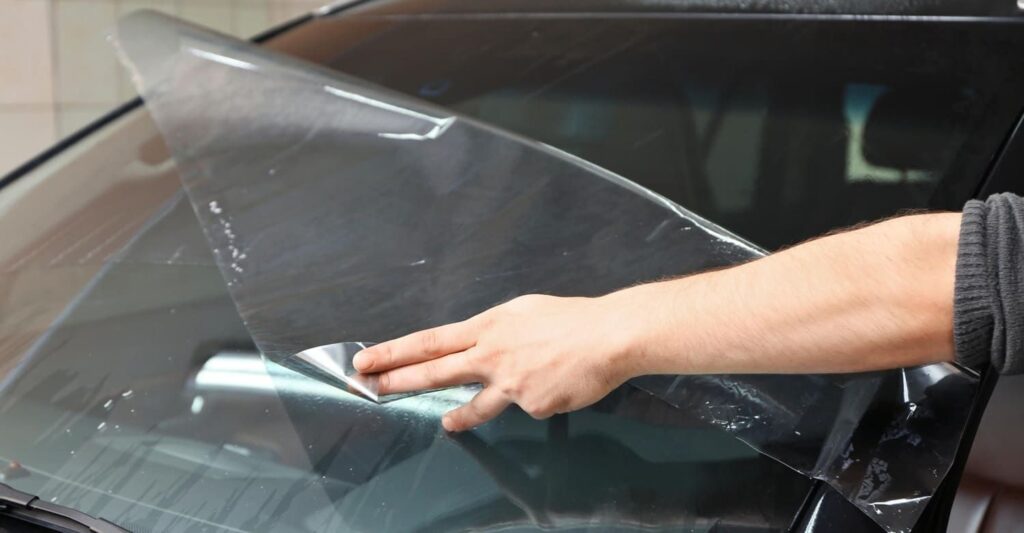
You peeled off the old window tint and now you’re staring at a windshield covered in cloudy, sticky glue that won’t budge. You’ve probably already tried Windex and a paper towel. That won’t work—window tint adhesive is designed to bond permanently to glass.
The good news: tint glue comes off cleanly from any glass surface if you use the right solvent and technique. The method depends on which window you’re working on—side glass, windshield, rear defroster window, or house windows all need a slightly different approach.
How to Remove Window Tint Glue
To remove window tint glue, soften the adhesive first—either with a steamer, heat gun, or chemical solvent like Goo Gone or rubbing alcohol. Then scrape it off with a razor blade (on regular glass) or a plastic scraper (on rear windows with defroster lines). Never dry-scrape—you’ll scratch the glass and spread the glue.
Jump to Your Window
Pick the glass type — get the fix.
How to Remove Window Tint Glue from Car Windows
Knowing how to remove window tint glue from car windows starts with one rule: soften first, scrape second. Dry scraping just smears the adhesive around and can scratch the glass. Side windows are the easiest to work on because there are no defroster lines to worry about.
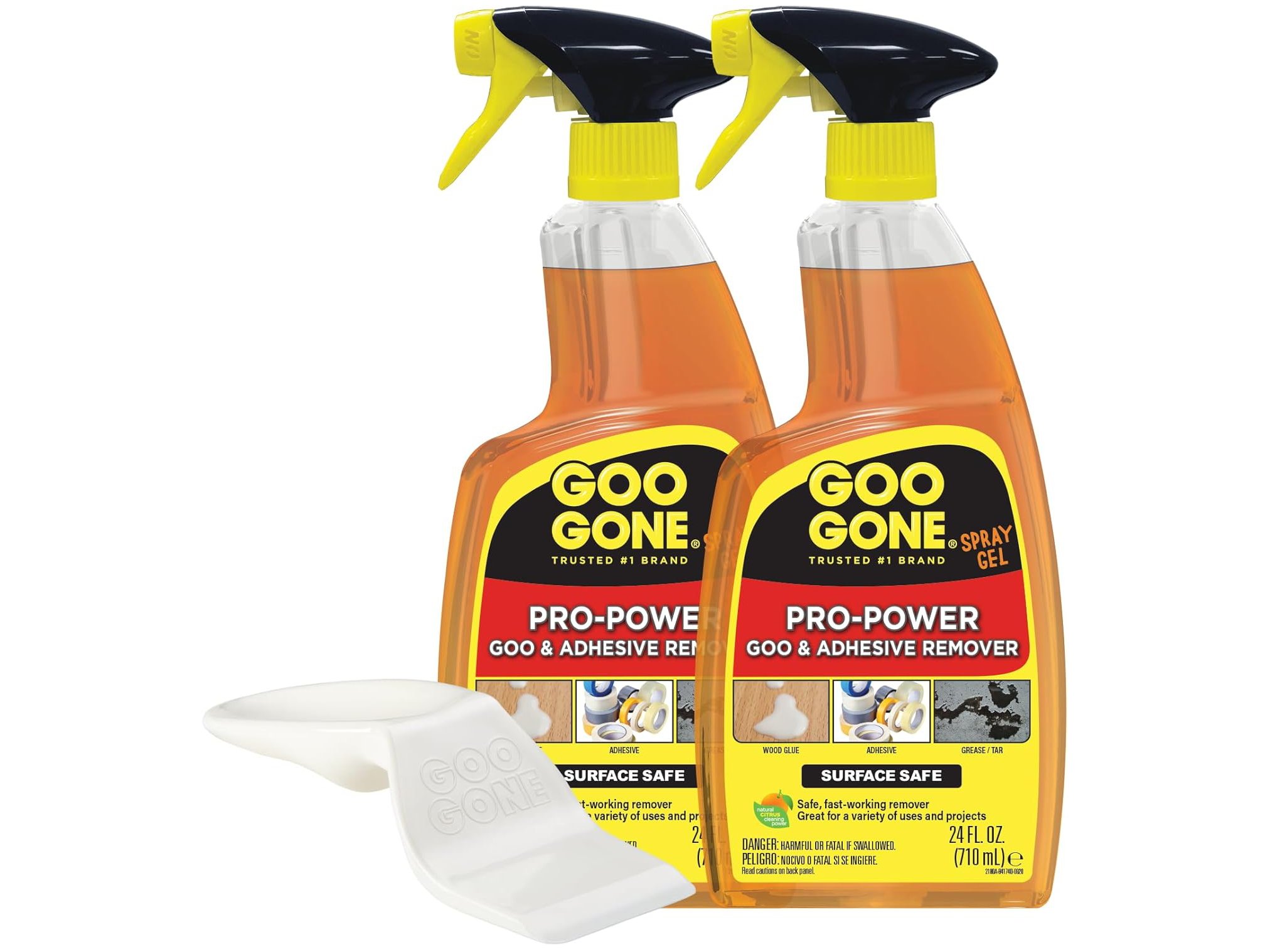
Goo Gone Automotive Spray Gel
Citrus-based formula specifically designed for automotive adhesives. The gel clings to vertical glass instead of running down. Safe on car paint, trim, and glass.
Check Price on Amazon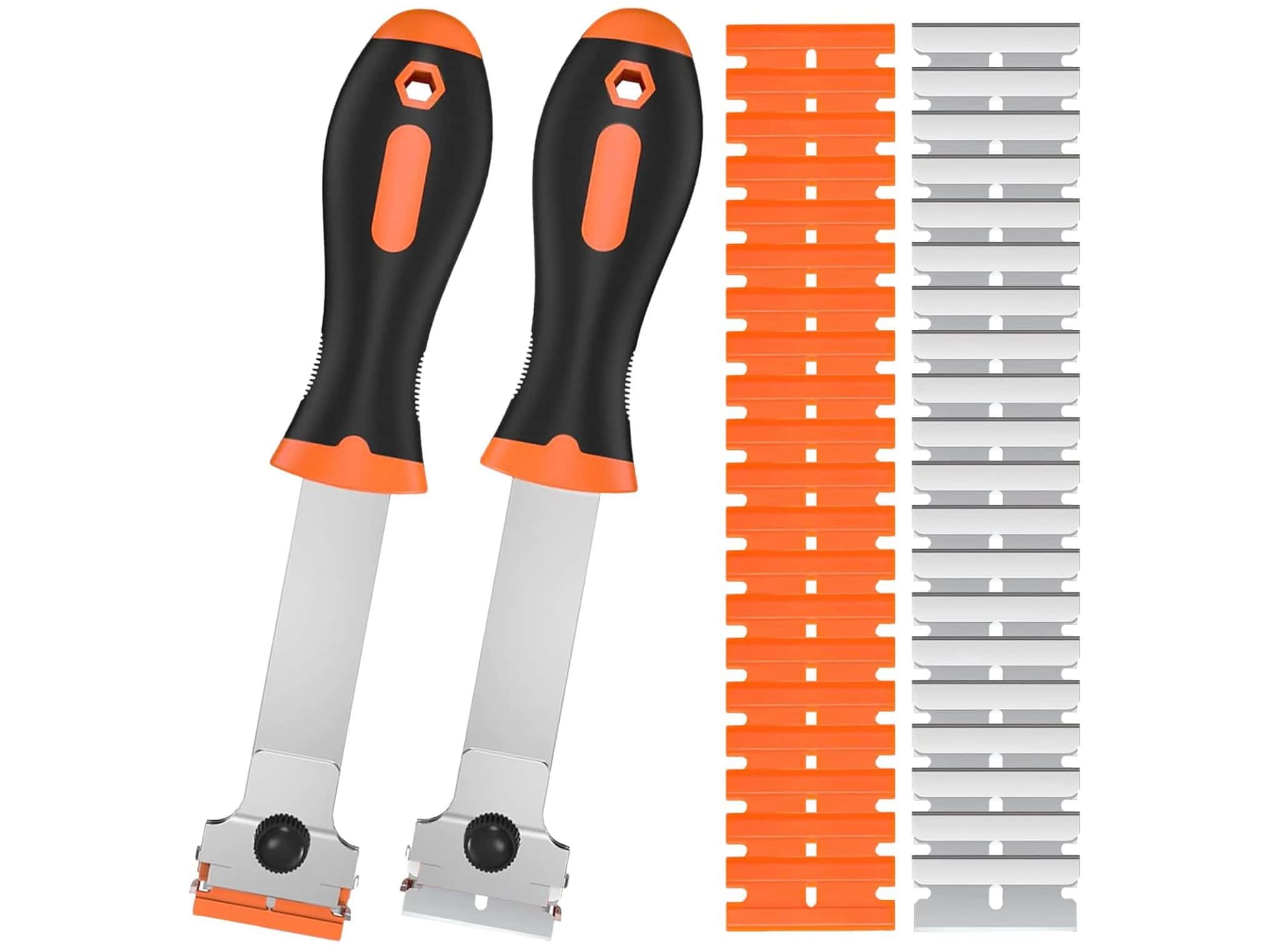
Razor Blade Scraper (with Handle)
A proper scraper with a handle gives you control and even pressure. Loose razor blades slip and scratch. The handle lets you hold a consistent low angle across the glass.
Check Price on Amazon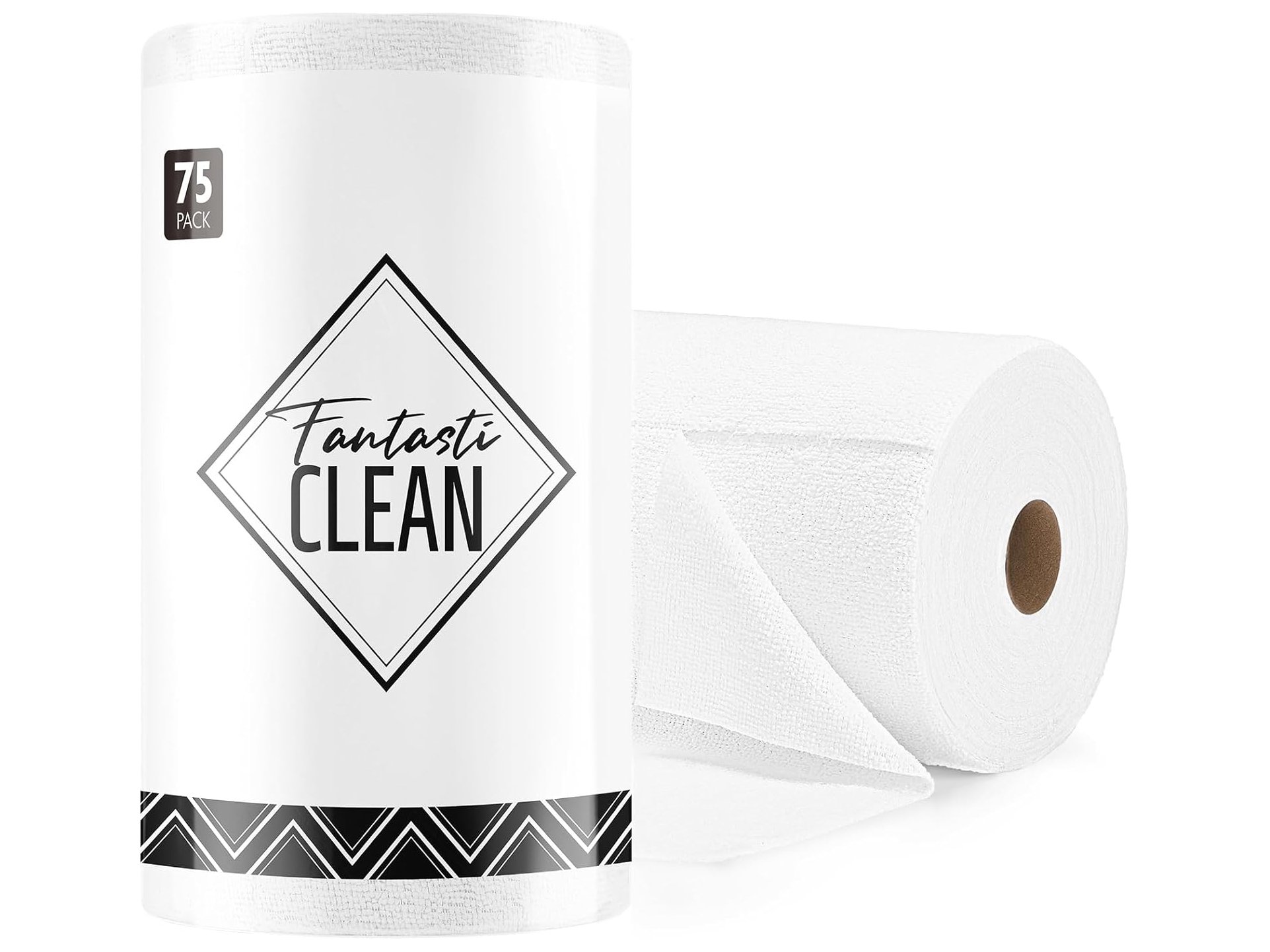
Microfiber Cleaning Cloths
Won’t scratch glass or leave lint behind. Use them to wipe dissolved glue and for the final polish. Paper towels leave fibers stuck in the residue.
Check Price on Amazon- Spray Goo Gone generously onto the glue. Cover the entire area and let it soak for 5–10 minutes. The solvent needs time to break down the adhesive bond.
- Hold the razor scraper at a 30–45 degree angle and push it under the softened glue in long, even strokes. Work in one direction. The glue should peel off in sheets or roll up into balls.
- Reapply solvent to stubborn patches and scrape again. Don’t force it—if the glue isn’t coming off easily, it needs more soak time, not more pressure.
- Wipe the glass clean with a microfiber cloth dampened with rubbing alcohol or glass cleaner. This removes the oily residue left by Goo Gone and leaves the glass streak-free.
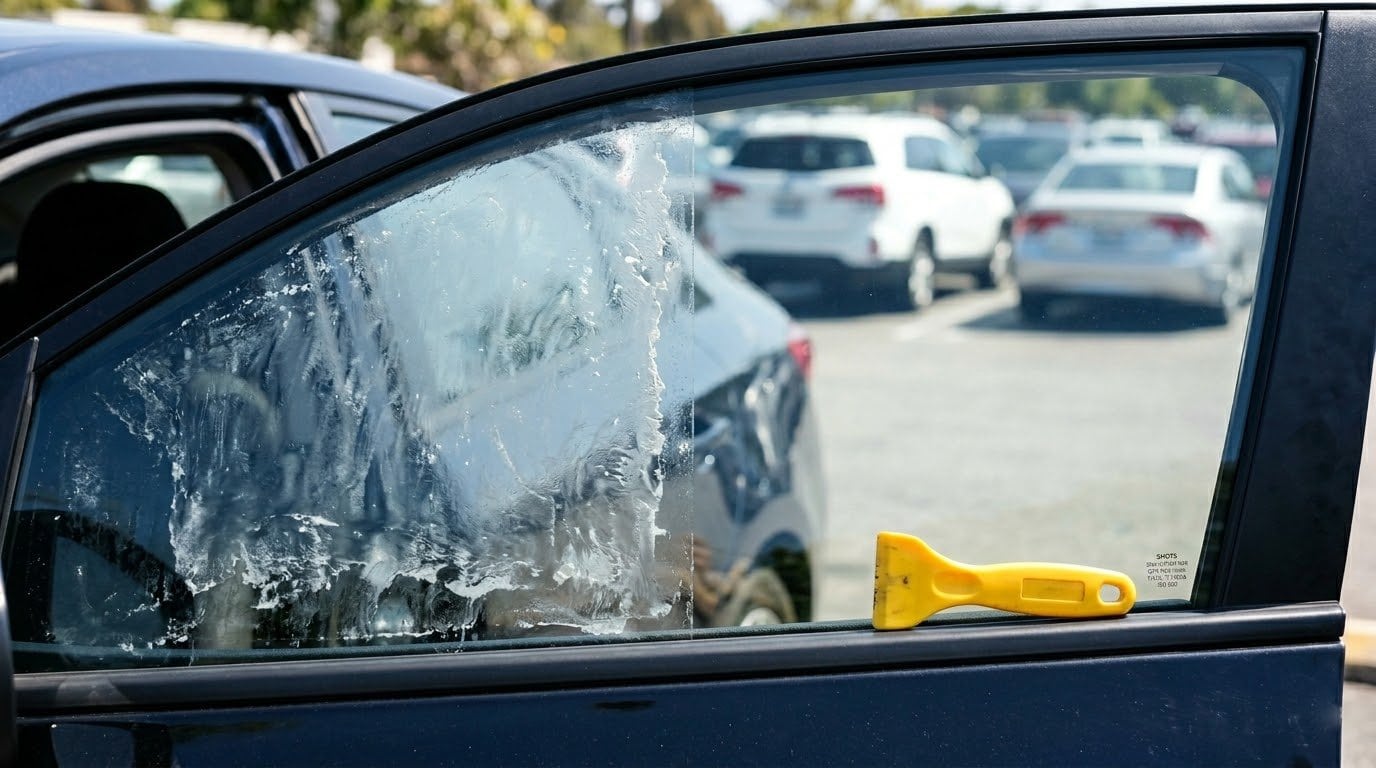
How to Remove Window Tint Glue from Windshield
The windshield is trickier than side windows because of its size, angle, and the fact that many windshields have sensors, rain detectors, or tint bands near the top. Working on a large, angled surface also means solvents run down before they can soak in—which is why a steamer works better here.
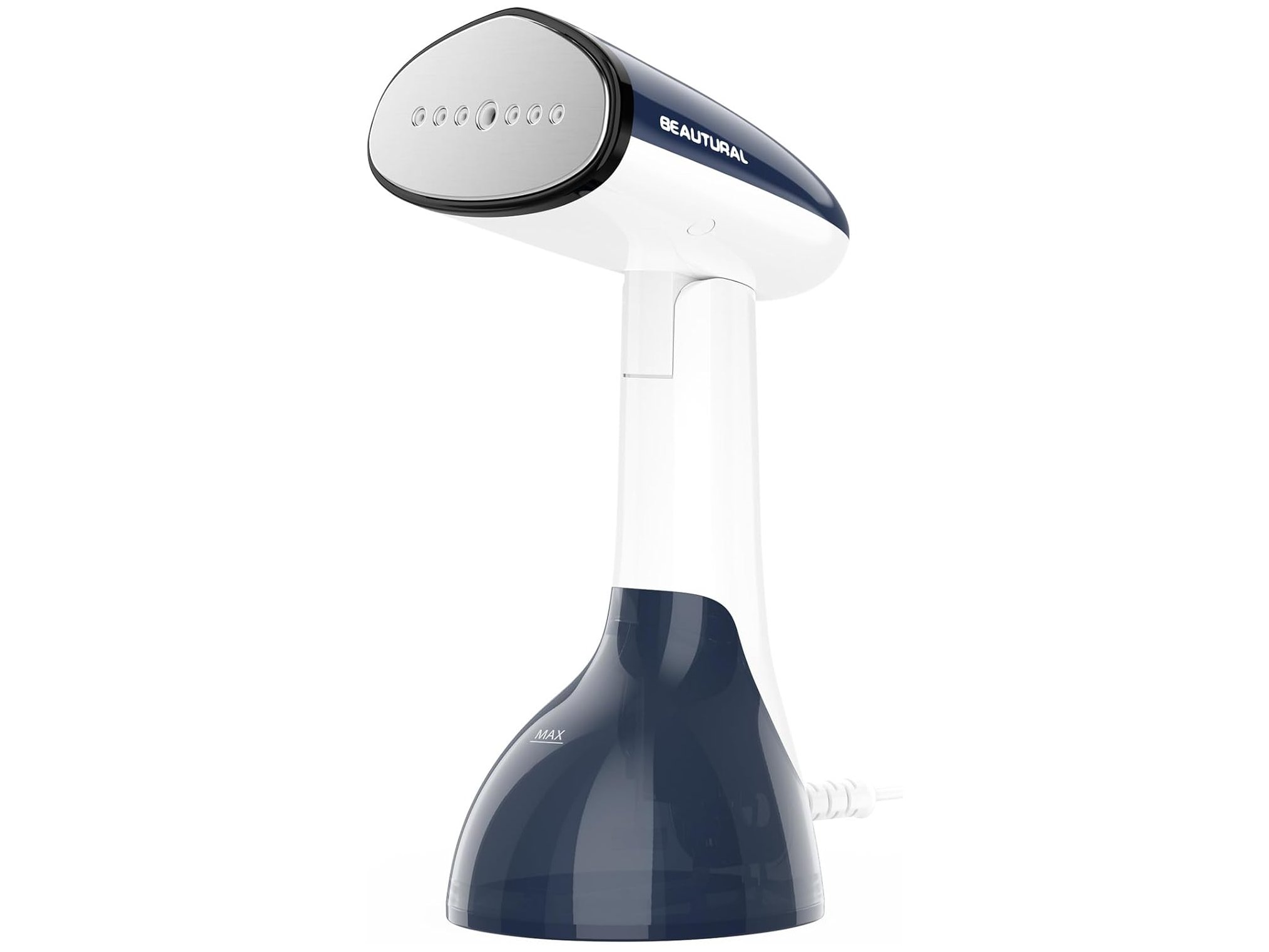
Handheld Steamer
Steam softens tint glue instantly without chemicals. The heat and moisture break the adhesive bond on contact. Works faster than any solvent on large surfaces like windshields.
Check Price on Amazon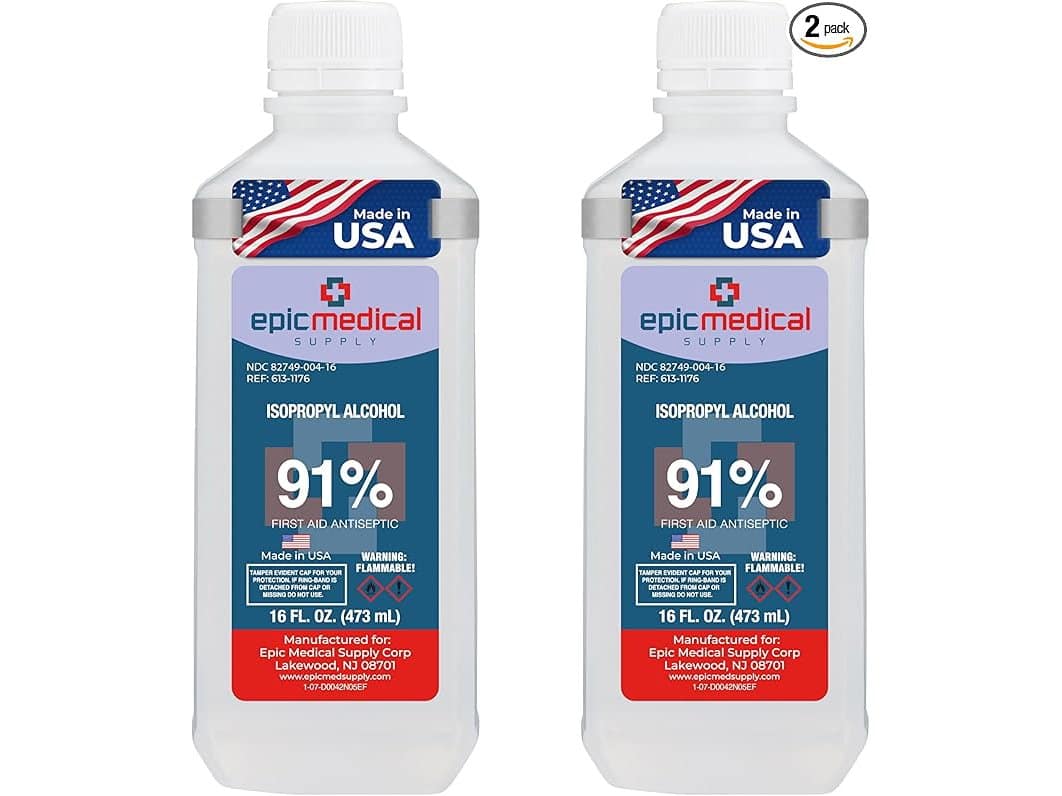
Isopropyl Rubbing Alcohol (91%)
Dissolves adhesive residue fast and evaporates clean. Use after steaming to tackle any remaining sticky patches. Safe on all automotive glass.
Check Price on Amazon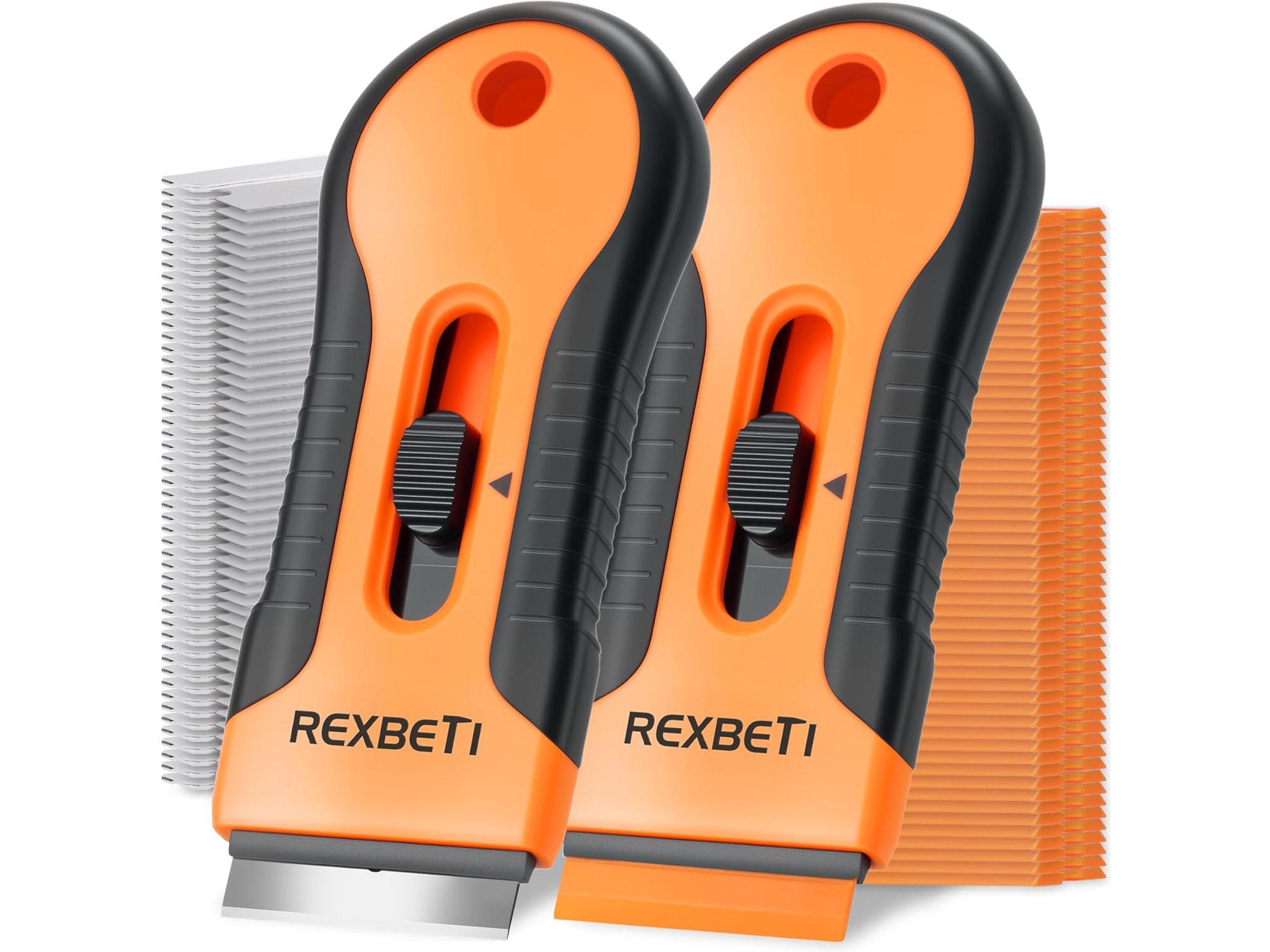
Plastic Razor Blades
Safer than steel near windshield sensors and edges. Won’t scratch glass, won’t damage rubber seals. Use where you need a gentler touch around antenna lines or sensor areas.
Check Price on Amazon- Hold the steamer 1–2 inches from the glass and work in small sections (about 12 inches at a time). Move slowly—give the steam 15–20 seconds per spot to heat the glue underneath.
- Immediately scrape with a razor blade while the glue is still hot and soft. The adhesive should come off like warm butter. Wipe the blade clean between strokes.
- For areas near sensors or the tint band, switch to a plastic scraper to avoid damage. These areas often have thinner glass coatings.
- Wipe remaining residue with rubbing alcohol on a microfiber cloth. The alcohol dissolves any thin film left behind and evaporates without streaks.
- Finish with glass cleaner for a fully clear windshield.
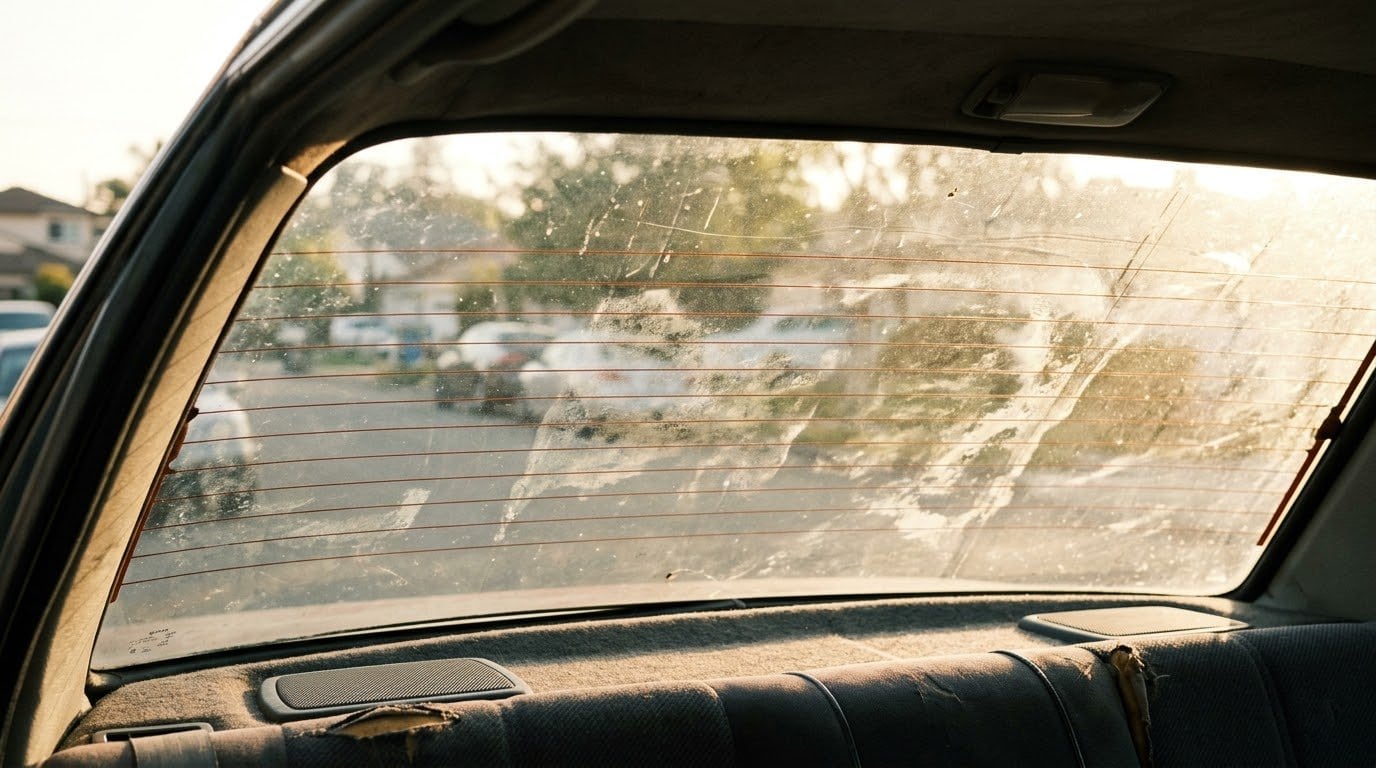
How to Remove Window Tint Glue from Rear Window (Without Damaging Defroster Lines)
This is the window everyone worries about—and for good reason. The thin defroster lines on your rear window are fragile metallic strips printed onto the glass. One aggressive scrape with a razor blade and you’ve permanently broken a defroster line that costs hundreds to repair.
Never use a metal razor blade on a rear window with defroster lines. Steel blades will cut through the thin metallic strips instantly. The damage is permanent—the only fix is a new rear window or professional defroster line repair. Use only a steamer + soft cloth, or a plastic scraper at most.
Handheld Steamer
The safest method for rear windows. Steam softens the glue without any physical contact with the defroster lines. No scraping needed for most of the adhesive.
Check Price on AmazonGoo Gone Automotive Spray Gel
For residue that steam alone won’t lift. Apply between the defroster lines, let it soak, then wipe gently with a microfiber cloth. Never scrub across the lines.
Check Price on Amazon- Steam the entire rear window in sections. Hold the steamer close to the glass and work slowly. The tint glue will turn soft and gummy—you’ll see it change from cloudy to glossy as it heats.
- Wipe the softened glue with a clean microfiber cloth. Work in the same direction as the defroster lines (horizontally), never across them. The glue should lift onto the cloth.
- For stubborn spots between the lines, apply Goo Gone and let it sit for 10 minutes. Then gently wipe—again, always in the direction of the lines.
- If you absolutely must scrape, use only a plastic blade and work between the lines, never across them. Apply zero pressure over the defroster strips themselves.
- Clean with rubbing alcohol on a soft cloth to remove any oily residue. Check the defroster by turning it on—all lines should heat evenly.
Always wipe horizontally, in the same direction as the defroster lines. Wiping vertically or in circles crosses the lines and increases the risk of catching an edge and peeling a strip off the glass.
How to Remove Window Tint Glue Residue from Glass
Already peeled the tint off but left with a hazy, sticky film? That window tint glue residue is the most stubborn part. The tint itself peels, but the adhesive layer bonds directly to the glass at a molecular level. Here are three methods, from gentlest to most aggressive.
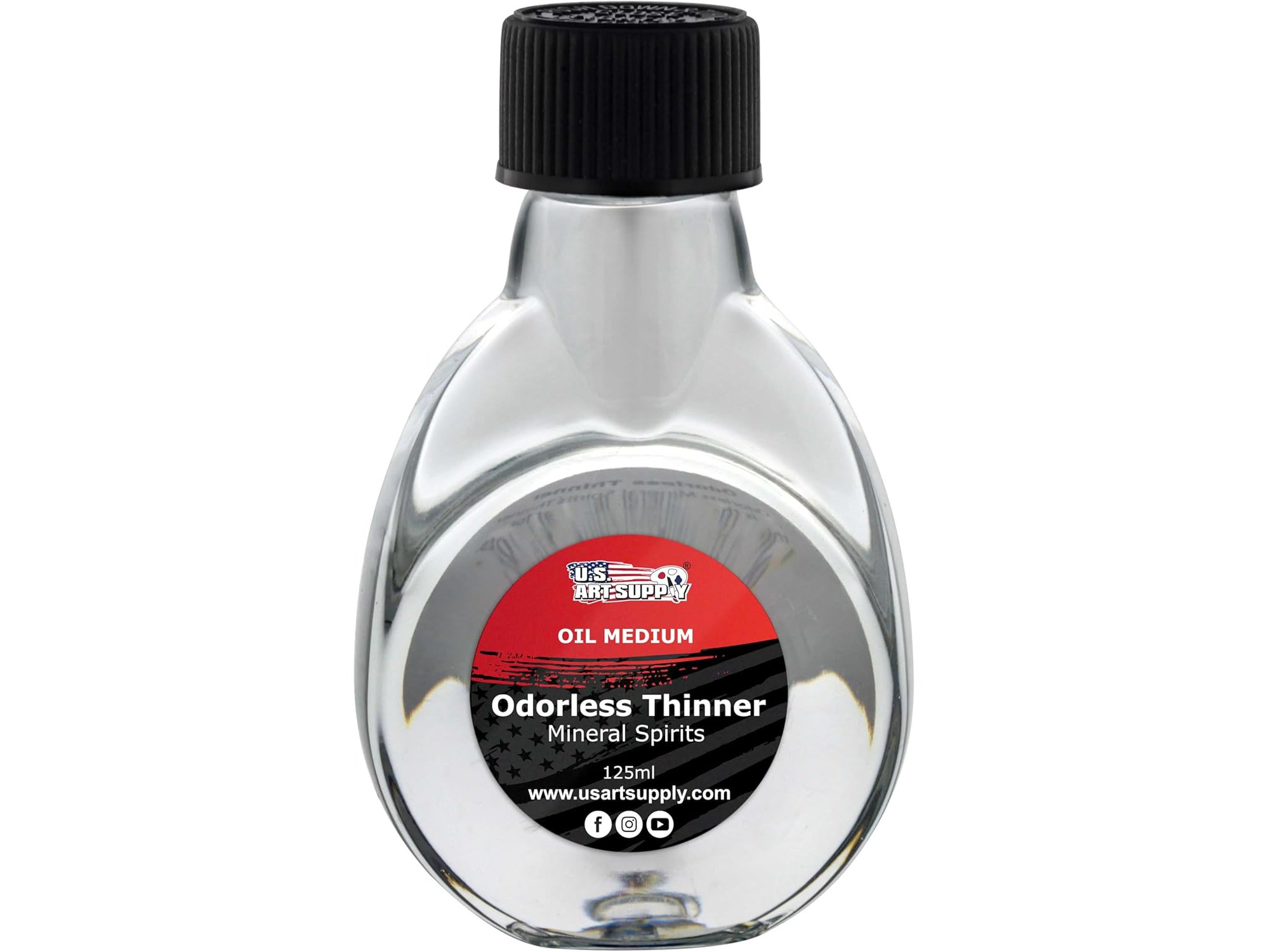
Mineral Spirits (Odorless)
Dissolves tint adhesive without damaging glass, rubber seals, or paint. Less aggressive than acetone and won’t leave an oily residue like Goo Gone. Good for final cleanup.
Check Price on Amazon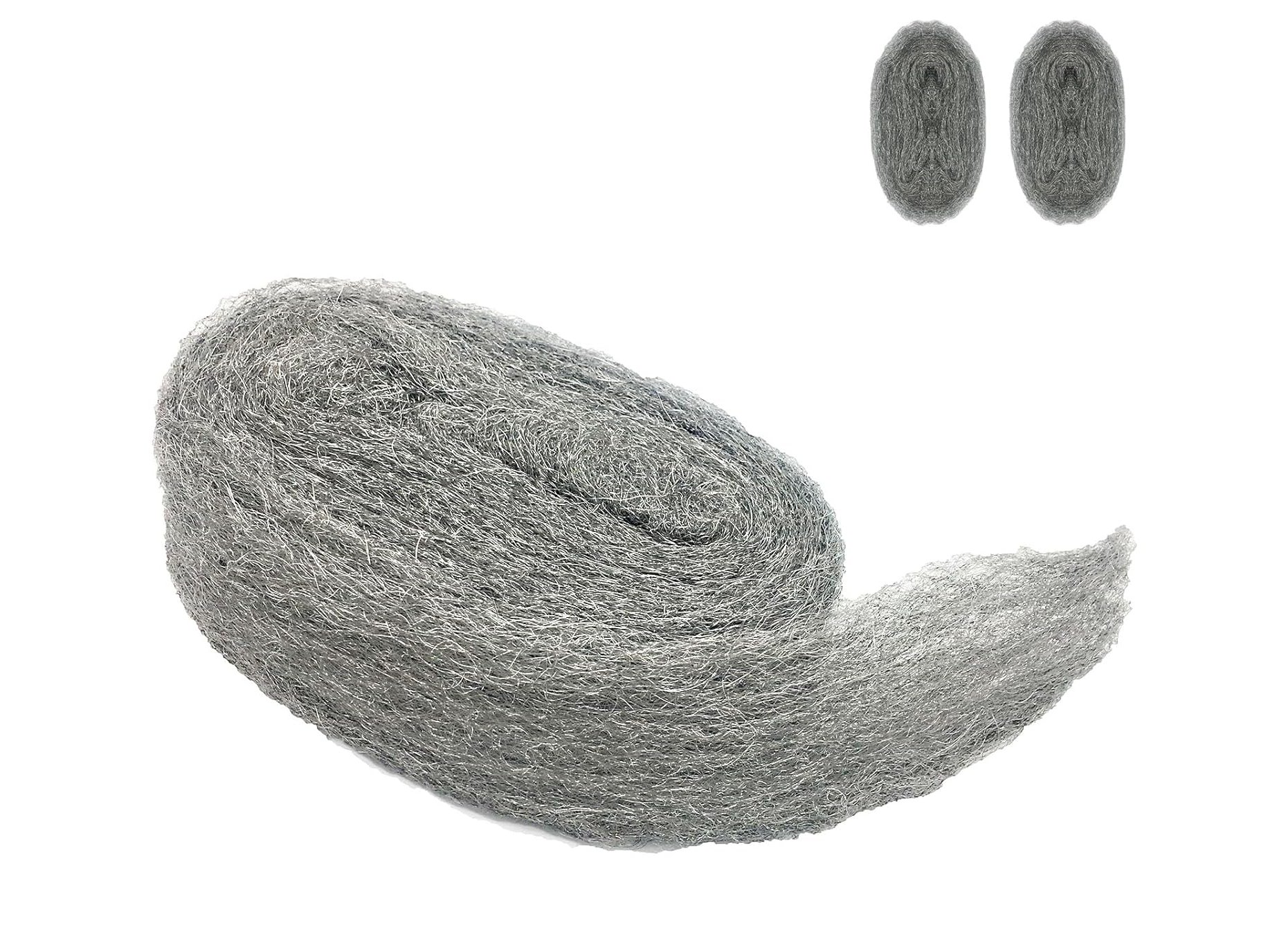
Fine Steel Wool (#0000)
#0000 is the finest grade—it won’t scratch glass. Combined with a solvent, it breaks through dried adhesive that a cloth can’t lift. Never use anything coarser than #0000 on glass.
Check Price on Amazon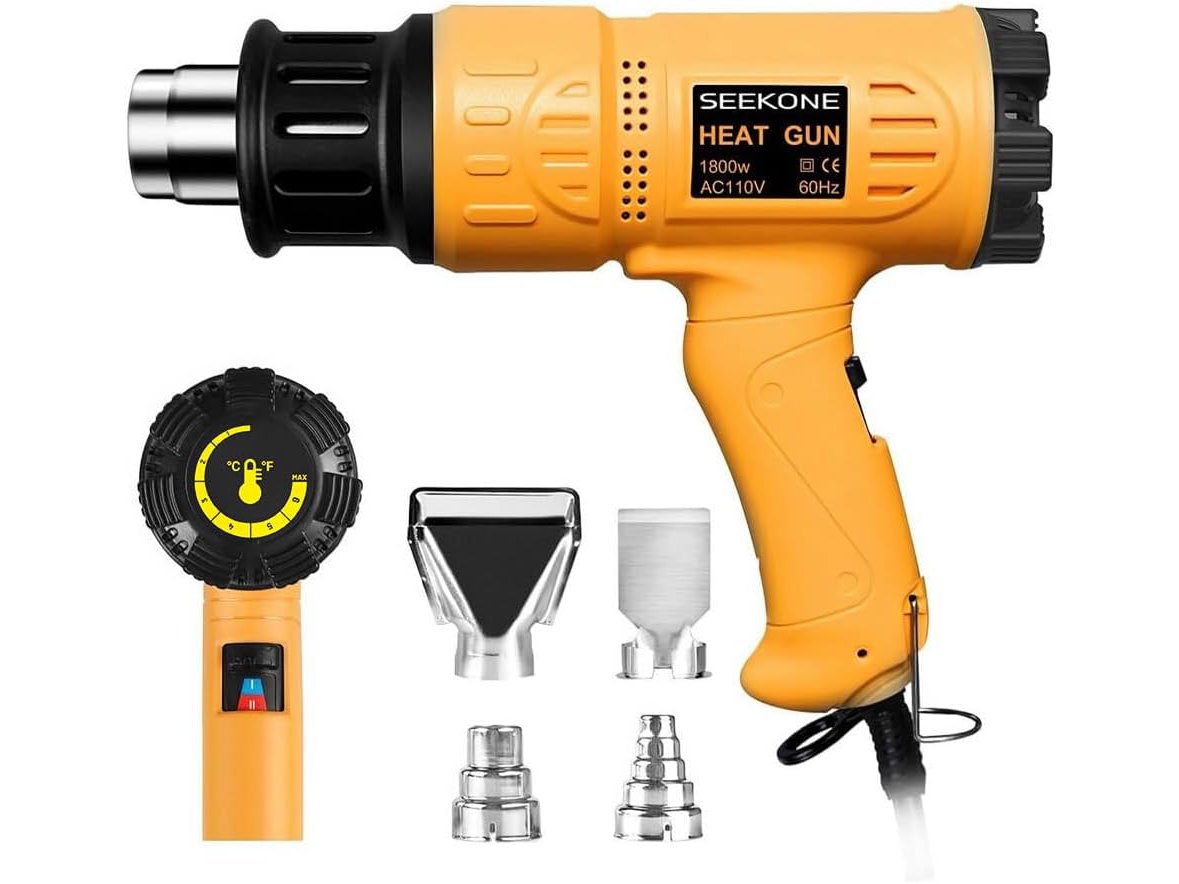
Heat Gun (Variable Temperature)
Heat re-softens dried, cured adhesive that solvents struggle with. Set to medium (around 400°F) and the old glue turns gummy again, making it easy to scrape clean.
Check Price on AmazonMethod 1: Solvent Soak (Easiest)
- Soak a microfiber cloth in mineral spirits or rubbing alcohol and press it against the residue. Hold for 2–3 minutes to let the solvent penetrate the dried adhesive.
- Wipe firmly in one direction. The residue will start to dissolve and transfer onto the cloth. Rotate to a clean section of the cloth as it picks up glue.
- For thick residue, use #0000 steel wool dampened with mineral spirits. Rub in gentle, even strokes. The combination of fine abrasion and solvent cuts through even old, baked-on adhesive.
Method 2: Heat + Scrape (For Stubborn Residue)
- Set the heat gun to medium (~400°F) and hold it 4–6 inches from the glass. Move in slow sweeps—don’t concentrate heat on one spot for more than a few seconds.
- Scrape with a razor blade while the glue is hot. It should come off in satisfying ribbons. Wipe the blade after each stroke.
- Follow up with rubbing alcohol on a cloth to remove the last thin film.
Never use a heat gun on cold glass in winter. The sudden temperature difference can crack the window. Warm the car’s interior first, or work in a heated garage. Also keep the heat gun away from rubber seals and plastic trim.
Method 3: Ammonia Bag Method (Hands-Free)
- Spray the glue residue with household ammonia (undiluted) and immediately cover it with a black trash bag pressed flat against the glass.
- Park in direct sunlight for 1–2 hours. The black bag absorbs heat, and the ammonia fumes trapped underneath dissolve the adhesive. This is the easiest method if you have time.
- Peel the bag off and wipe. Most of the glue will come with it. Clean any remaining residue with rubbing alcohol.
Ammonia fumes are strong. Work outdoors or in a well-ventilated area. Cover any interior trim or upholstery near the window—ammonia can discolour fabric and damage leather.
How to Remove Window Tint Glue from House Windows
Removing tint glue from house windows is a different job than car glass. Home windows are often larger, may have Low-E coatings, and you’re working vertically which means solvents run down. The ammonia bag method works especially well here because you can tape the bag to the window and walk away.
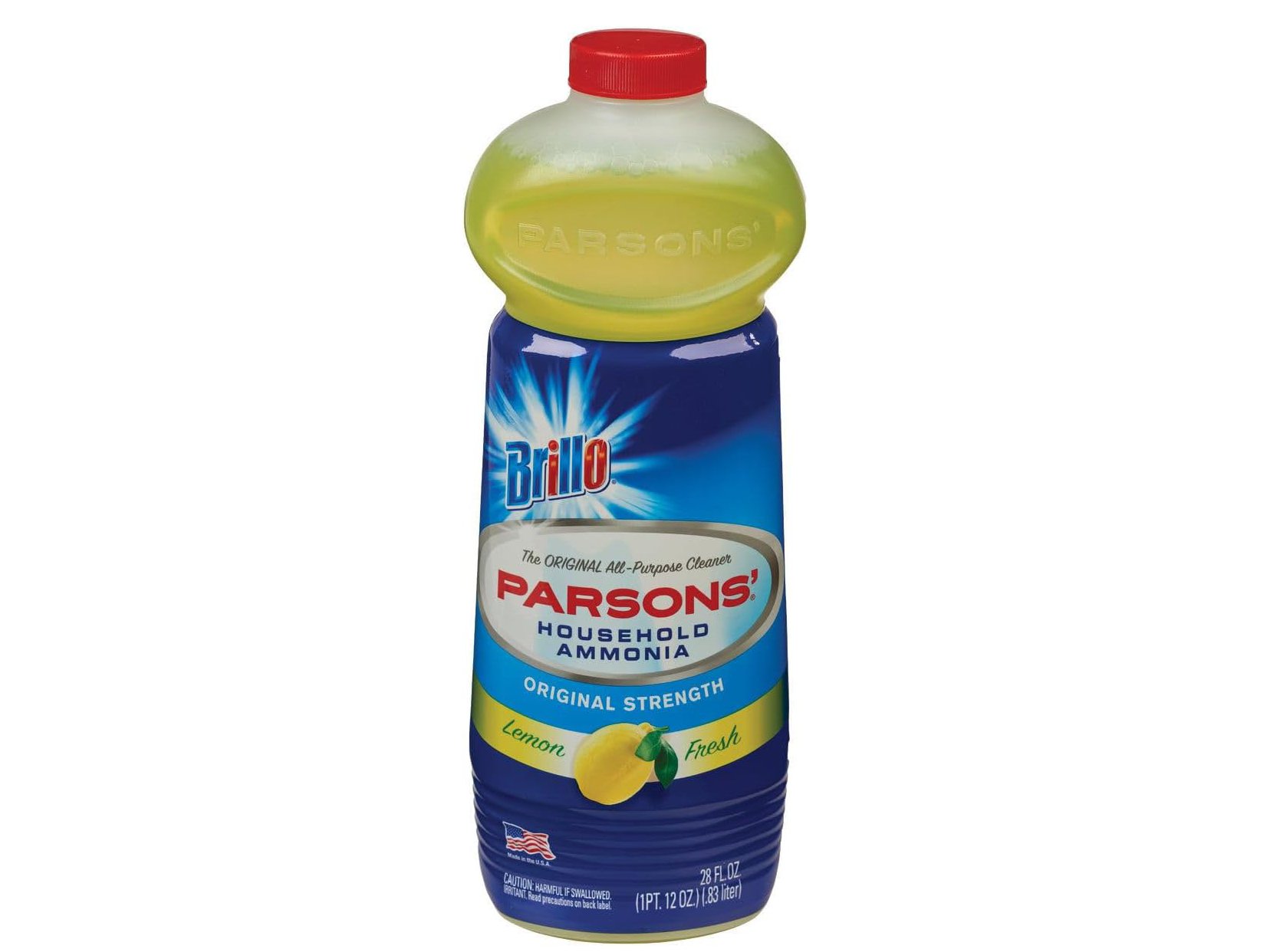
Ammonia (Household Strength)
The most effective solvent for window tint adhesive on flat glass. The fumes break down the glue without scrubbing. Cheap, available everywhere, and works on large surfaces.
Check Price on AmazonPlastic Scraper
Safe for coated house windows. Many home windows have Low-E or UV coatings that a metal blade can scratch. Plastic gives you scraping power without the risk.
Check Price on Amazon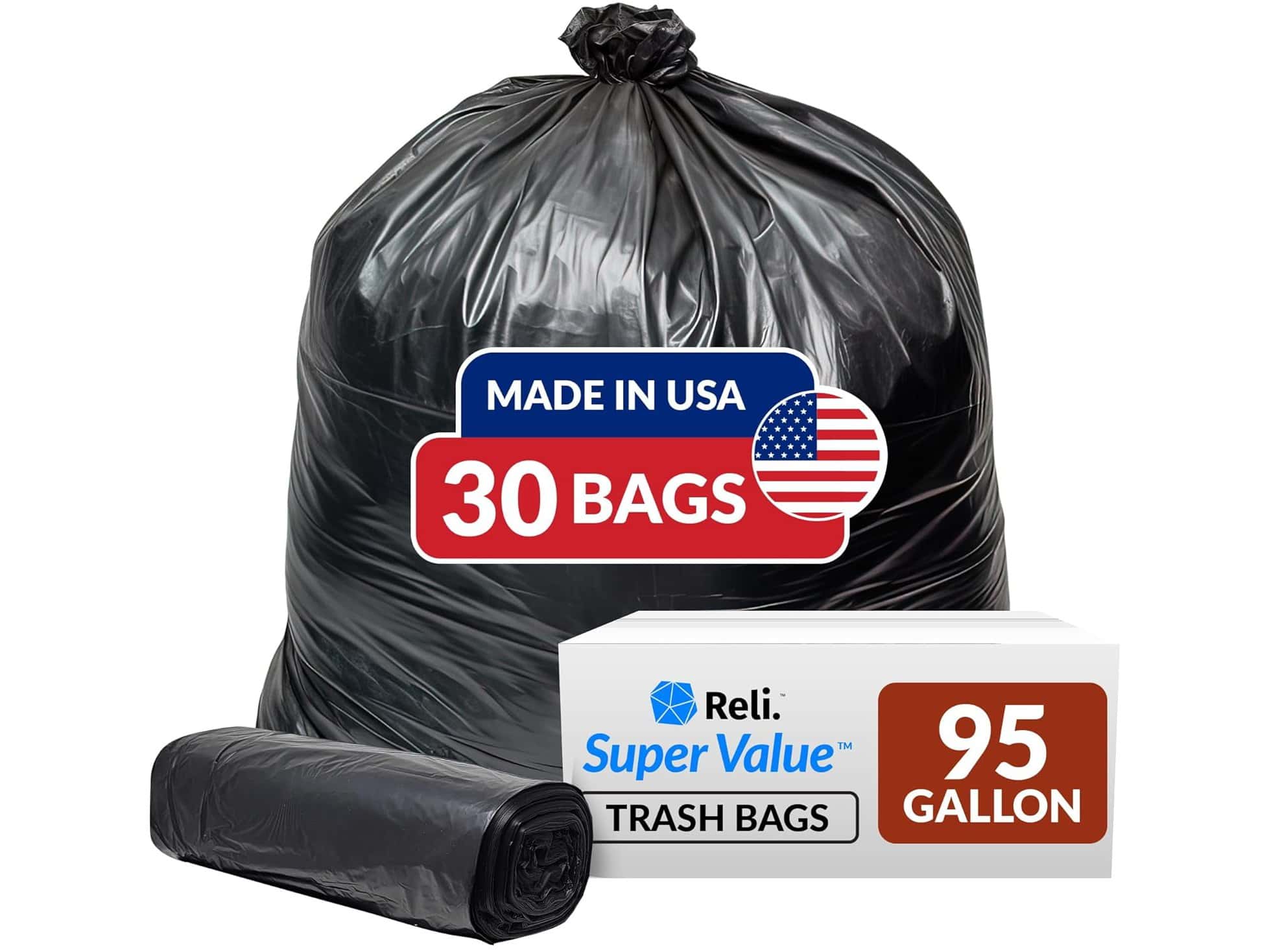
Black Trash Bags (Heavy Duty)
Used for the solar ammonia method. The black colour absorbs sunlight and creates heat that helps ammonia fumes dissolve the adhesive. Tape them flat against the glass.
Check Price on AmazonCheck if your house windows have Low-E coating before using a razor blade. Low-E is a thin metallic layer on the glass—a steel blade will scratch it permanently. If you’re not sure, stick to plastic scrapers. You can test by holding a flame near the glass—Low-E reflects a different colour than the other panes.
Ammonia + Sun Method (Best for Large Windows)
- Spray the glass generously with undiluted ammonia. Cover every inch of the glue residue.
- Press a black trash bag flat against the wet glass and tape the edges. The bag should stick to the ammonia-wet surface. Make sure there are no air pockets.
- Leave it in direct sunlight for 2–4 hours. The longer the better—the heat and ammonia fumes do all the work. On cloudy days, leave it overnight.
- Peel the bag off and scrape with a plastic scraper. The glue should be soft and gummy. It will come off in sheets.
- Clean with glass cleaner and a microfiber cloth for a streak-free finish.
Manual Method (No Sunlight Available)
- Spray ammonia or rubbing alcohol directly onto the glue. Let it sit for 5 minutes.
- Scrape with a plastic scraper at a low angle. Reapply solvent as you go to keep the glue soft.
- For heavy residue, use #0000 steel wool with mineral spirits—but only on uncoated glass. On Low-E windows, stick to a soft cloth and extra solvent.
- Wipe clean and polish with glass cleaner.
Frequently Asked Questions
Does WD-40 remove window tint glue?
It can help, but it’s slow. WD-40 is a light lubricant, not a dedicated adhesive solvent. It will soften fresh tint glue enough to wipe off, but it struggles with dried or baked-on adhesive. Goo Gone, rubbing alcohol, or a steamer will work significantly faster.
Can you use a razor blade on car windows?
Yes, on side windows and windshields—but never on rear windows with defroster lines. Standard automotive glass is tempered and won’t scratch from a razor blade held at the correct angle (30–45 degrees). Always keep the blade wet with solvent and use long, even strokes. Replace dull blades—nicks in the edge cause scratches.
Will window tint glue damage glass permanently?
No. The adhesive sits on top of the glass surface—it doesn’t etch into it. No matter how long it’s been there, tint glue can always be fully removed. The cloudiness you see is just the adhesive layer, not actual damage to the glass underneath.
How long does it take to remove tint glue from a full car?
Expect 2–4 hours for a full car (all side windows + rear). The rear window takes the longest because of the defroster lines. With a steamer, it goes much faster—roughly 15–20 minutes per side window and 30–45 minutes for the rear. Without a steamer, using chemicals alone, double those times.
Does vinegar remove window tint glue?
Barely. Vinegar is a mild acid that can soften very fresh tint glue, but it’s largely ineffective on dried adhesive. You’d need to soak it repeatedly for hours with minimal results. Rubbing alcohol, ammonia, or Goo Gone are far more effective and finish the job in a fraction of the time.
Bottom Line: Removing window tint glue is a patience game, not a strength game. Soften first, scrape second, and never use a metal blade on defroster lines. Match the right method to your window type, and you’ll get perfectly clear glass without a single scratch.