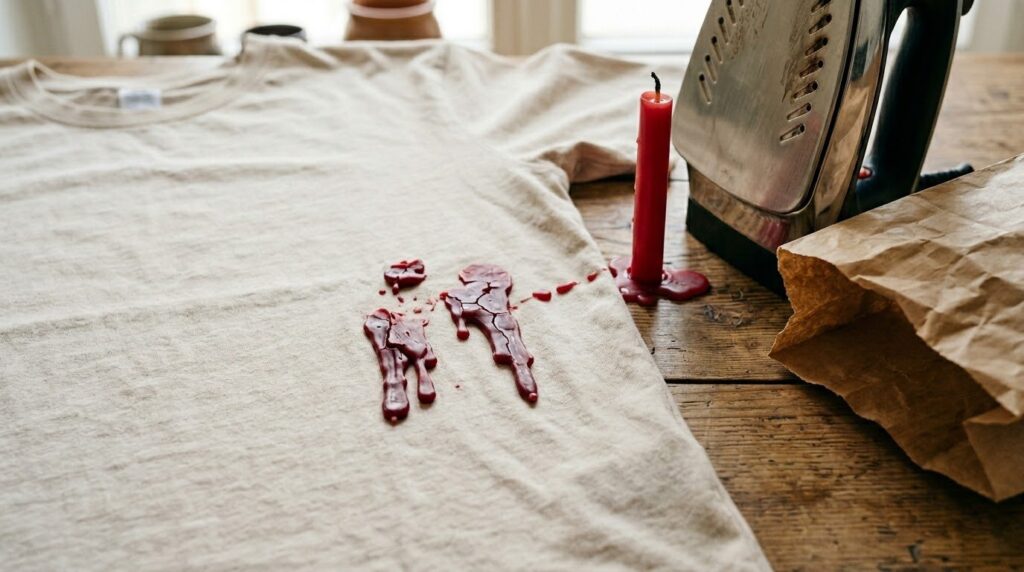
Candle wax just dripped on your favorite shirt, your carpet, or your glass table. Your first instinct is to wipe it off immediately. Don’t—you’ll push the hot wax deeper into the fibers and spread the stain.
The trick with candle wax is simple: let it harden first, then remove it. The exact method depends on the surface—clothes, carpet, skin, glass, walls, and floors all need a different approach. This guide covers every one of them.
How to Remove Candle Wax
Let the wax harden completely, then scrape off the bulk with a dull knife or plastic scraper. For the remaining residue, use the iron-and-paper-towel method: place a paper towel over the wax, press a warm iron on top, and the wax melts into the towel. For skin, use warm oil. For glass, use hot water or a scraper. Never put wax-stained fabric in the dryer—heat sets the stain permanently.
Jump to Your Surface
Pick the surface — get the fix.
How to Remove Candle Wax from Clothes
Knowing how to remove wax from clothing comes down to two steps: freeze the bulk off, then heat the residue out. The iron method works on cotton, denim, linen, and most everyday fabrics. This also works for tablecloths, napkins, and other washable table linens. For delicate materials like silk or wool, see the Delicate Fabric section below.
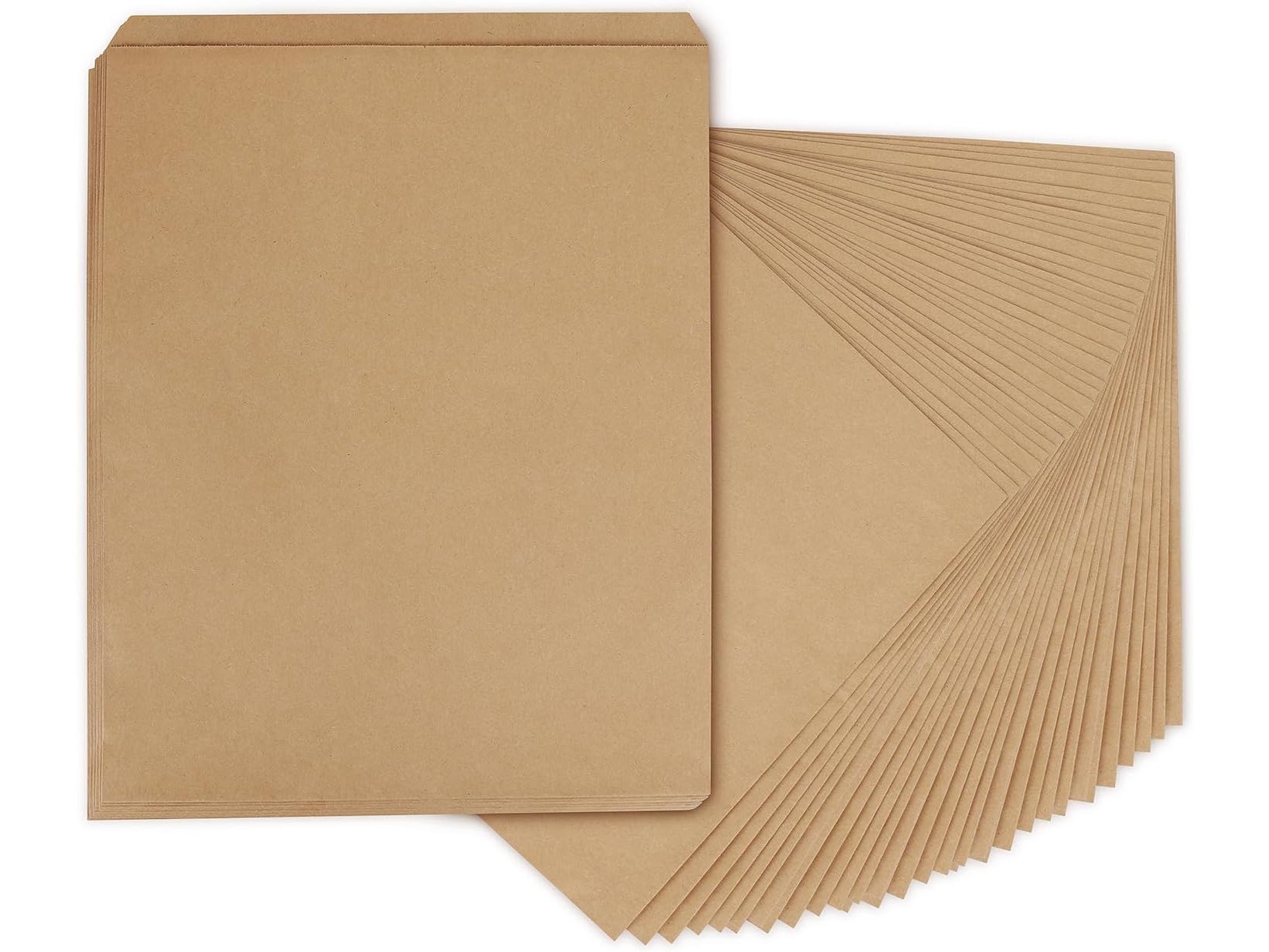
Brown Paper Bags (Unbleached)
Absorbs melted wax without leaving ink or dye on fabric. Works better than paper towels which can tear and stick. Use unprinted brown bags or parchment paper.
Check Price on Amazon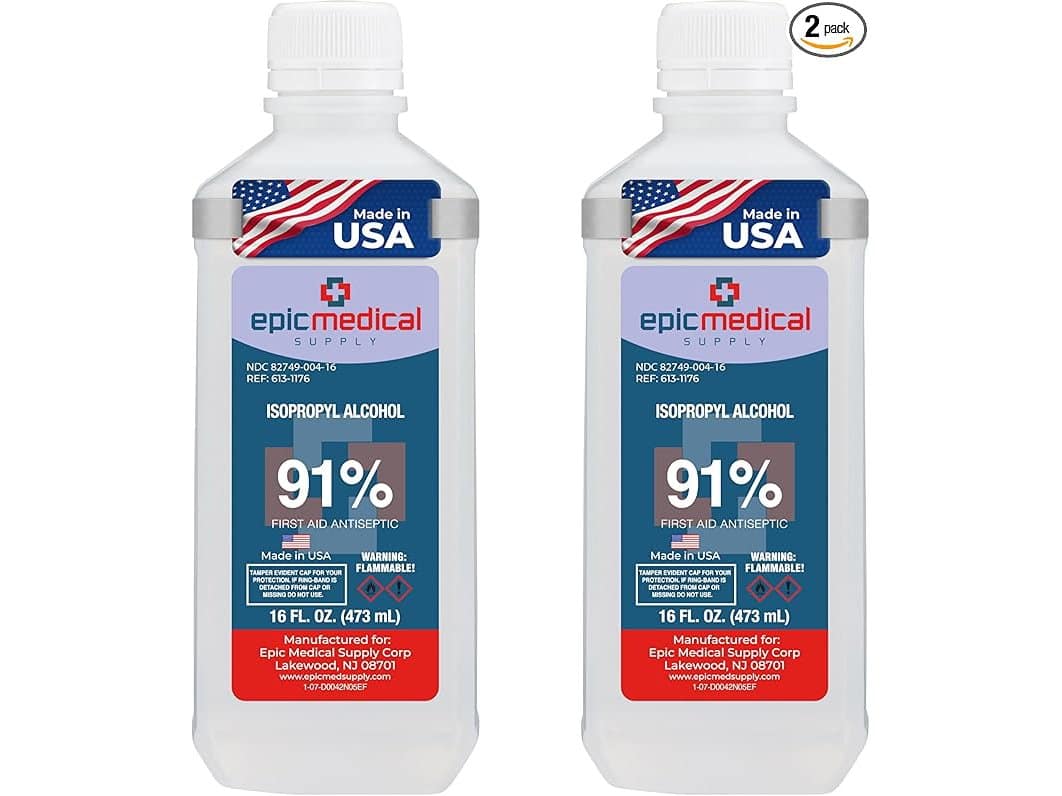
Rubbing Alcohol (91%)
Dissolves the oily dye stain that colored candles leave behind. After the wax itself is gone, the dye mark needs a solvent. Rubbing alcohol lifts it without damaging most fabrics.
Check Price on Amazon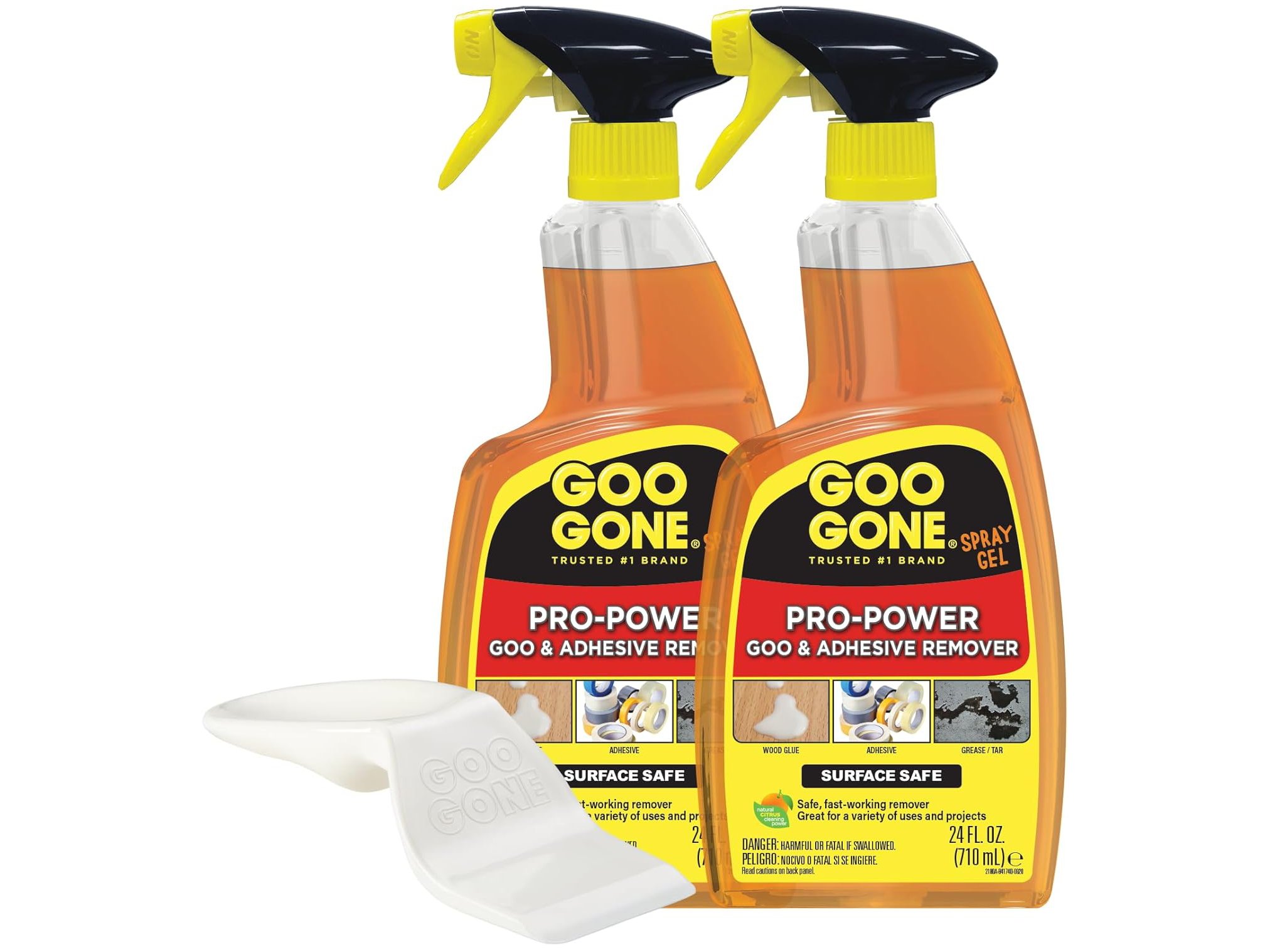
Goo Gone Stain Remover
For stubborn wax residue that heat alone can’t lift. The citrus-based formula dissolves the greasy film left after ironing. Apply before washing for best results.
Check Price on AmazonMethod 1: Iron & Paper (Best for Most Fabrics)
- Let the wax harden completely. Don’t touch it while it’s soft—you’ll spread it deeper into the fibers. If you’re in a hurry, put the garment in a plastic bag and freeze it for 30 minutes.
- Scrape off the bulk with a dull knife or credit card. The frozen wax should crack and lift off in chunks. Remove as much as you can before applying heat.
- Place a brown paper bag (or parchment paper) on both sides of the stain. The fabric should be sandwiched between two layers of absorbent paper.
- Press a warm iron (low heat, no steam) over the paper for 5–10 seconds. The wax melts and transfers into the paper. Move to a clean section of paper and repeat until no more wax transfers.
- Treat any remaining dye stain with rubbing alcohol. Dab it onto the colored mark with a cloth, then launder the garment on the hottest setting safe for the fabric.
Never put wax-stained clothes in the dryer. The heat will melt the remaining wax and spread it permanently into the fabric. Always check that the stain is completely gone before machine drying.
Method 2: Without an Iron
- Freeze the garment for 2 hours. Place it in a sealed plastic bag and put it in the freezer. The wax becomes brittle and can be snapped off with your fingers.
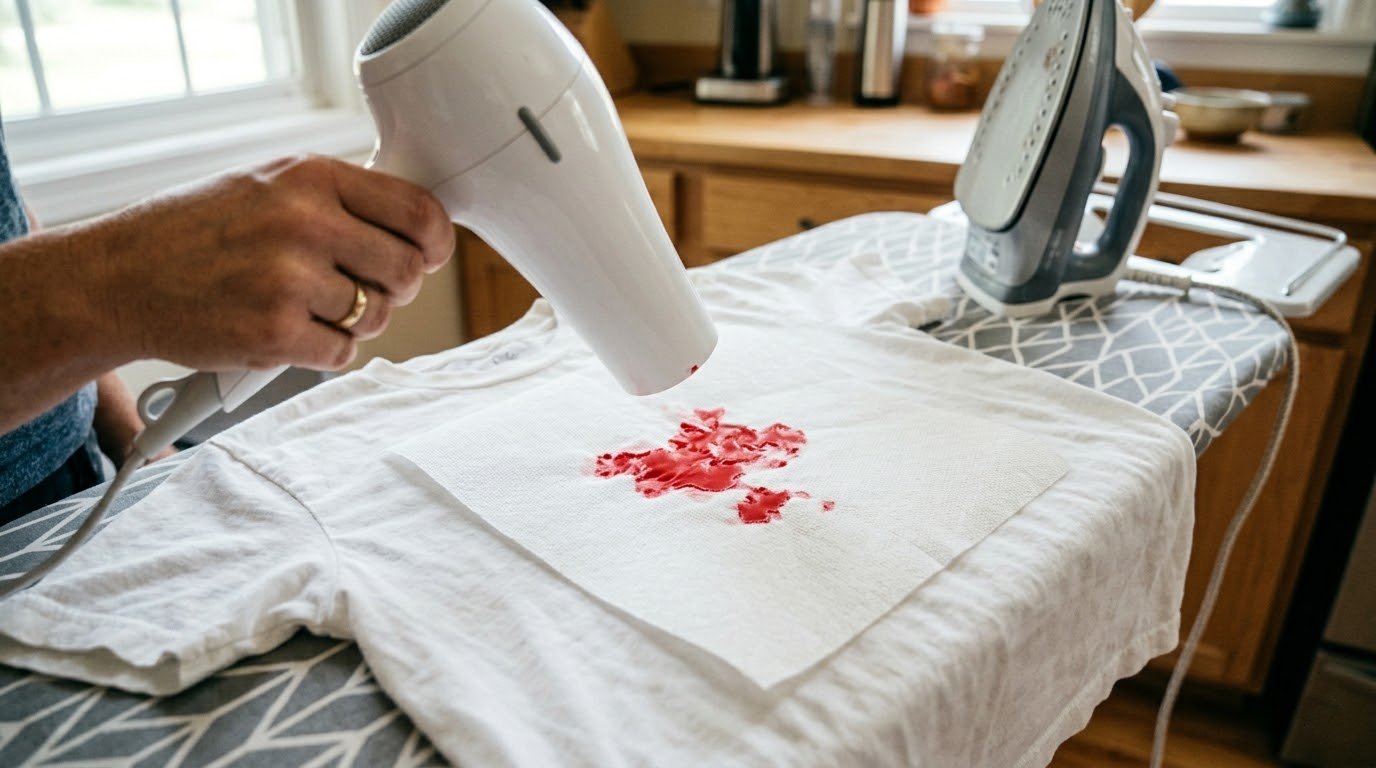
- Use a hair dryer on low heat to soften any remaining residue. Hold a paper towel over the stain and aim the dryer at it—the wax will melt into the towel.
- Pre-treat with stain remover or dish soap and wash on the hottest safe cycle.
The boiling water method (from DIY forums): For sturdy fabrics like cotton or linen, stretch the stained area over a bowl and secure it with a rubber band. Pour boiling water through the fabric from about 12 inches above. The wax melts on contact and drains into the bowl. Simple, fast, and no iron needed. Not recommended for synthetics or delicate fabrics—the heat can damage them.
How to Remove Wax from Fabric (Delicate & Non-Washable)
Silk, satin, wool, upholstery, and curtains can’t handle a hot iron directly. For these delicate fabrics, the freeze-and-scrape method is safest. Heat should only be used indirectly and on the lowest possible setting.
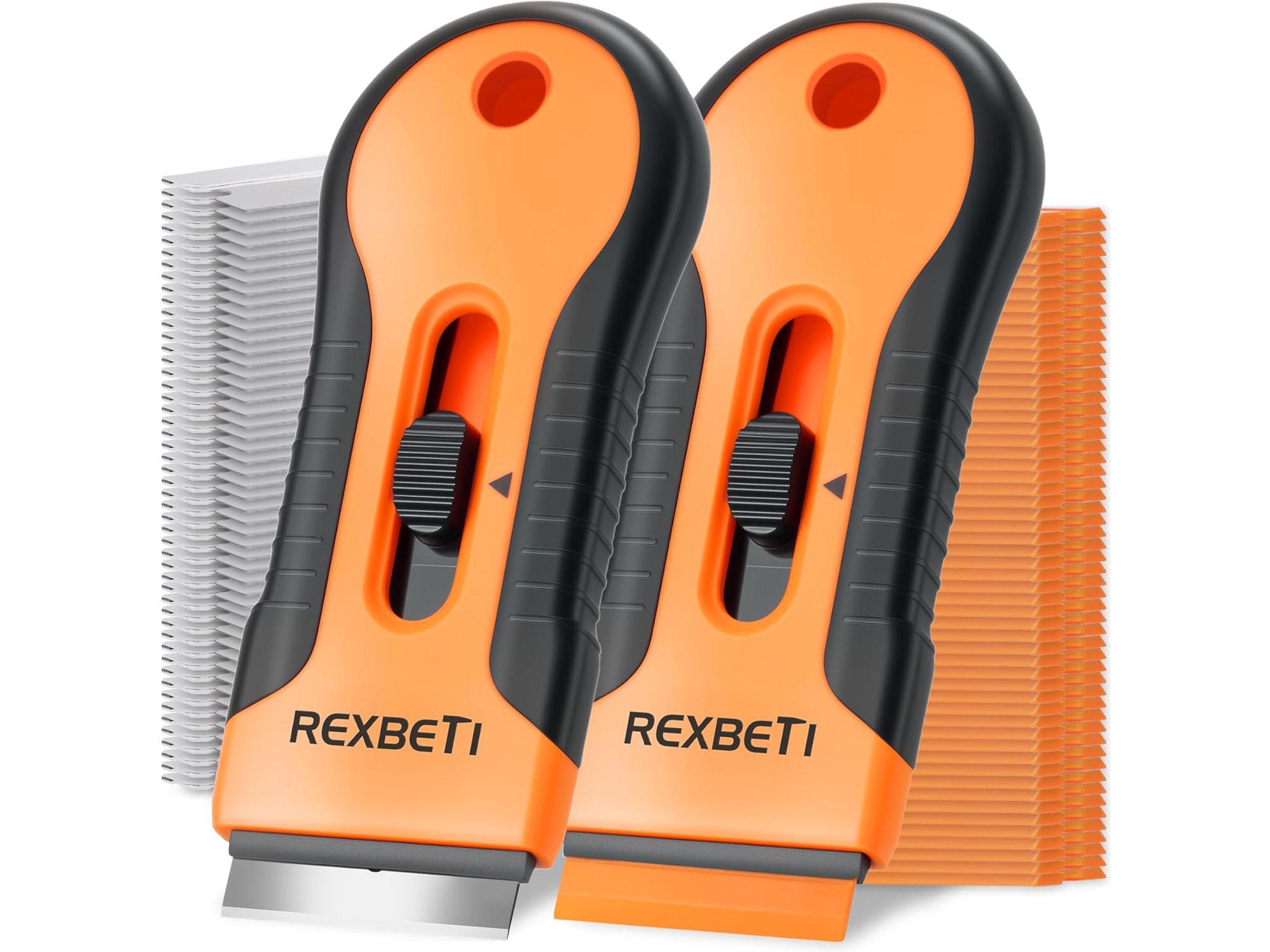
Plastic Scraper
Won’t snag or damage delicate fibers. Use it to gently lift frozen wax from silk, wool, and upholstery without pulling threads or creating pilling.
Check Price on AmazonRubbing Alcohol (91%)
Lifts colored wax dye from delicate fabrics. Dab gently—don’t rub. Always test on a hidden area first to check colorfastness.
Check Price on Amazon- Place an ice cube in a sealed bag over the wax for 10–15 minutes until the wax is completely hard. Don’t let water touch the fabric.
- Gently scrape the hardened wax with a plastic scraper. Work carefully—delicate fibers tear easily. Peel the wax off in small pieces rather than scraping aggressively.
- For remaining residue, lay a clean cloth over the spot and use a hair dryer on the lowest heat setting. The wax will soften and transfer into the cloth. Keep the dryer moving—don’t concentrate heat in one spot.
- Dab any dye stain with rubbing alcohol on a cotton ball. Test on an inconspicuous area first. For silk and satin, consider professional dry cleaning instead.
Never iron directly on silk, satin, or synthetic fabrics. Even on low heat, direct contact can melt synthetic fibers or leave permanent shine marks on silk. Always use a protective cloth between the iron and the fabric.
How to Remove Wax from Carpet
Wax on carpet looks like a disaster, but it’s actually one of the easier fixes if you’re patient. The key is the same: freeze first, heat second. The iron method works perfectly for carpet—just be careful with synthetic fibers that can melt under high heat.
Plastic Scraper
Safe for carpet fibers. A butter knife works too, but plastic won’t risk cutting or fraying loops in Berber or looped-pile carpet.
Check Price on Amazon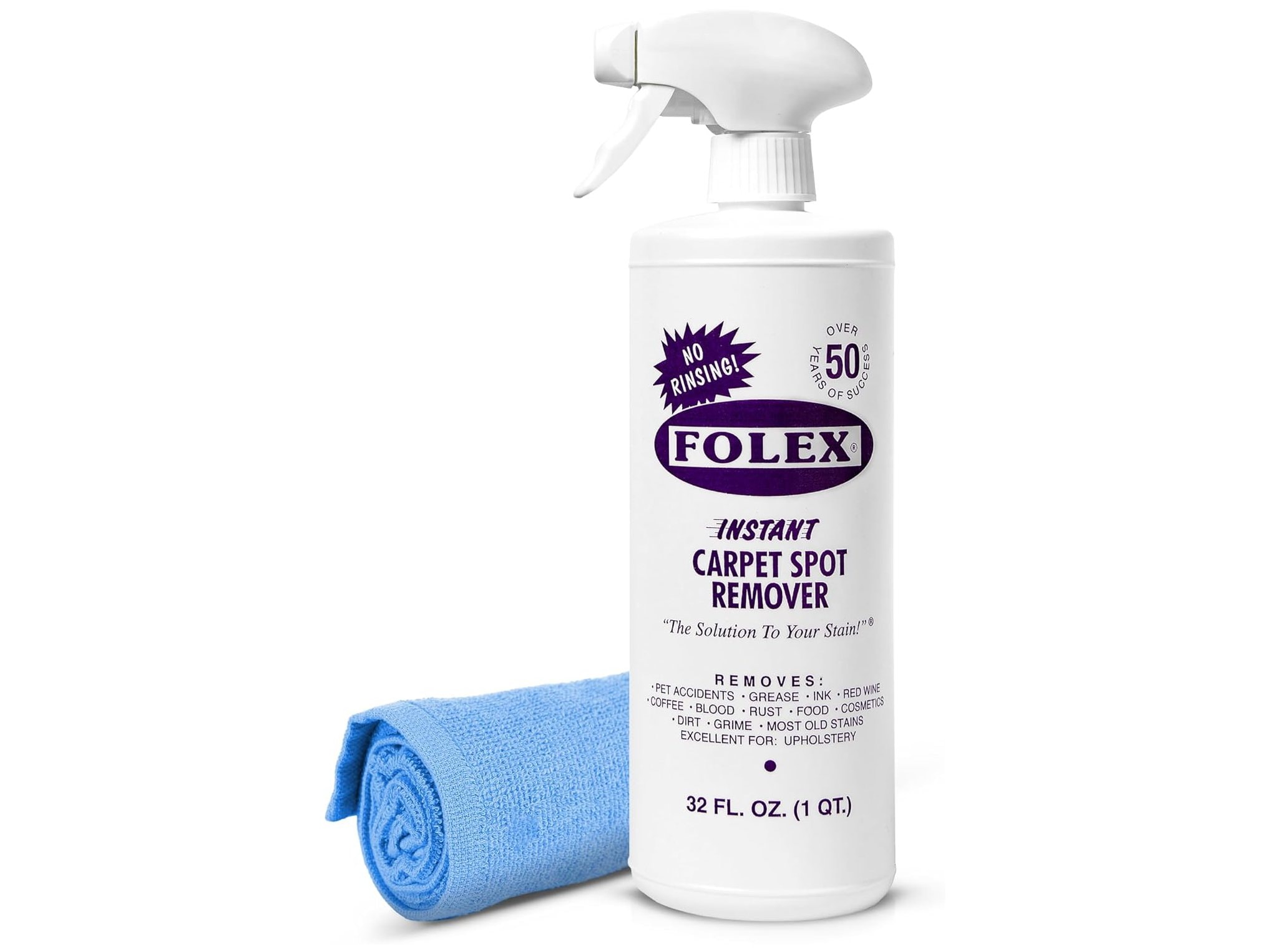
Folex Carpet Stain Remover
Removes the colored dye stain that wax leaves behind. After the wax is out, the dye mark on light carpet needs a dedicated carpet cleaner. Folex handles it without bleaching.
Check Price on Amazon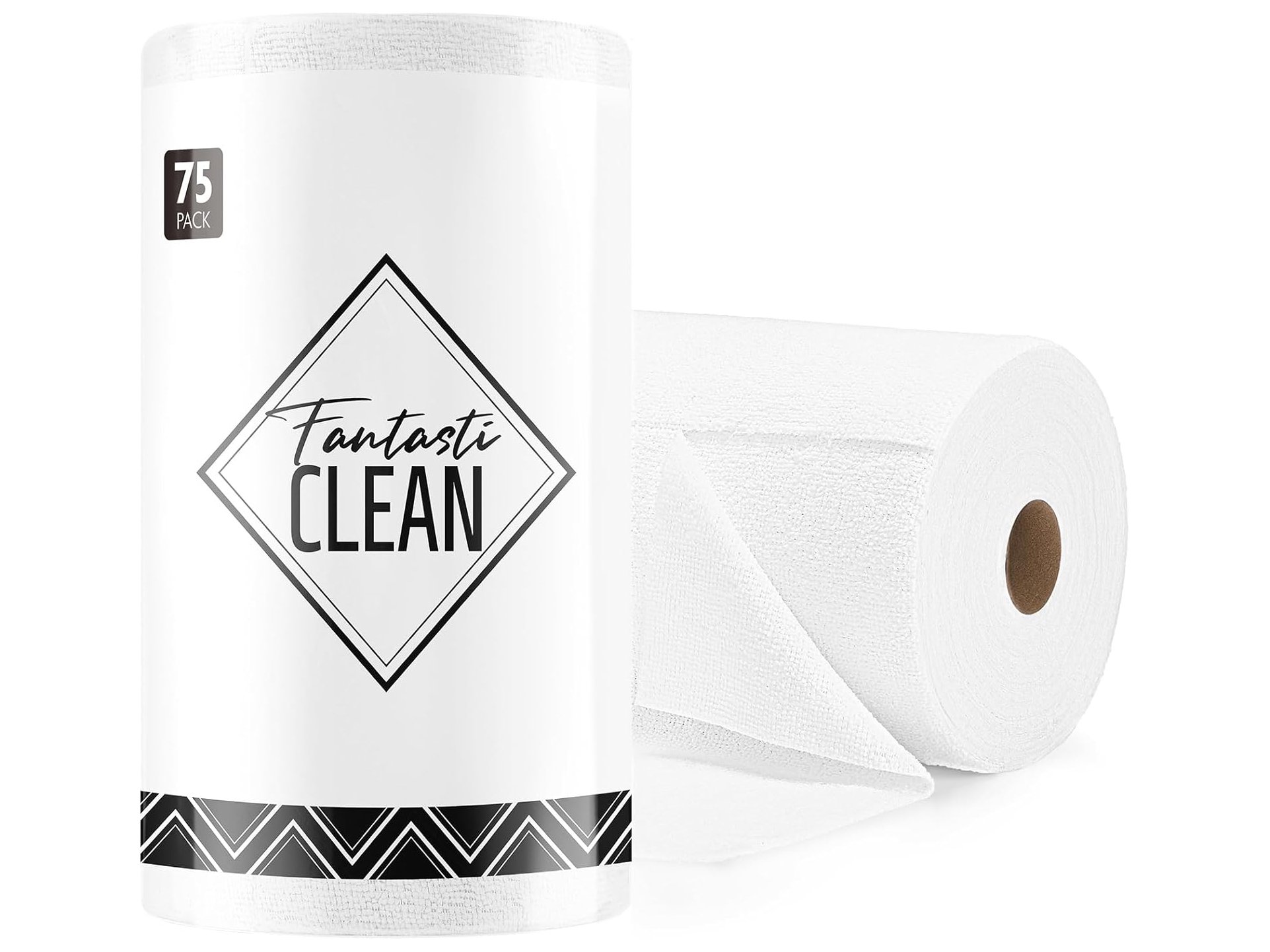
Microfiber Cleaning Cloths (White)
Use white cloths to avoid color transfer onto wet carpet. Dampen slightly before ironing—the moisture helps conduct heat and prevents the carpet from scorching.
Check Price on Amazon- Place a bag of ice (in a sealed bag) over the wax for 10–15 minutes. Don’t let water drip onto the carpet—wrap the bag in a towel if needed.
- Scrape off the frozen wax with a plastic scraper or butter knife. Be gentle with looped carpet (Berber)—aggressive scraping can fray the loops. Vacuum up the loose pieces.
- Lay a damp white cloth or paper towel over the remaining wax. Press a warm iron (medium setting) onto the cloth for 10 seconds. The wax melts and transfers into the cloth.
- Move to a clean section of the cloth and repeat until no more wax transfers. Replace the cloth if it becomes saturated.
- Treat any color stain with carpet cleaner. Spray Folex on the area, let it sit for a minute, then blot with a clean cloth. For tough dye stains, repeat 2–3 times.
Check your carpet fiber type before using heat. Polyester and nylon carpets can melt at high temperatures. Use medium heat and keep the iron moving. Never leave the iron sitting on carpet—even through a cloth.
Dental floss hack (from cleaning forums): After freezing the wax, use a piece of dental floss to “saw” the hardened wax off the carpet fibers. Works especially well on looped Berber carpet where a knife might catch and pull the loops.
Baking soda finish (tested by bloggers): After removing the wax with an iron, sprinkle baking soda over the area and leave it for 24 hours. The baking soda absorbs the remaining greasy residue and any lingering dye. Vacuum it up the next day—multiple people report the stain disappears completely.
White vinegar spray (from a professional janitor on social media): After the iron method, spray white vinegar on any remaining color stain and repeat the iron-and-towel process. The vinegar helps dissolve the oily dye residue that heat alone sometimes misses.
How to Remove Wax from Skin
Candle wax on skin isn’t dangerous—it cools quickly and doesn’t usually burn. But peeling it off dry can pull skin and hair. The easiest way is to dissolve it with oil.
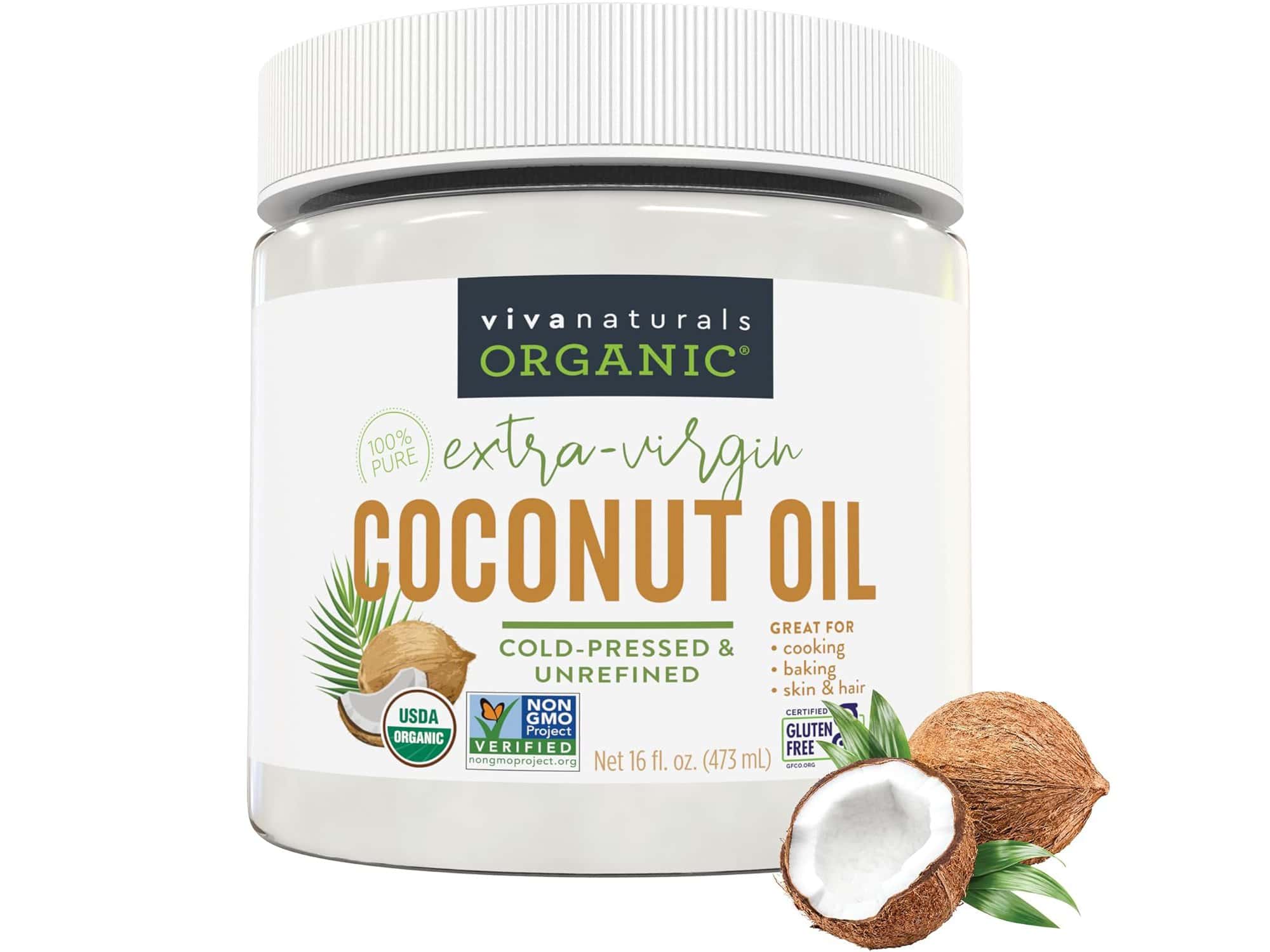
Coconut Oil
Dissolves wax and moisturizes skin at the same time. Rub it into the wax—it breaks the bond and the wax slides off without pulling. Works better than soap and water.
Check Price on Amazon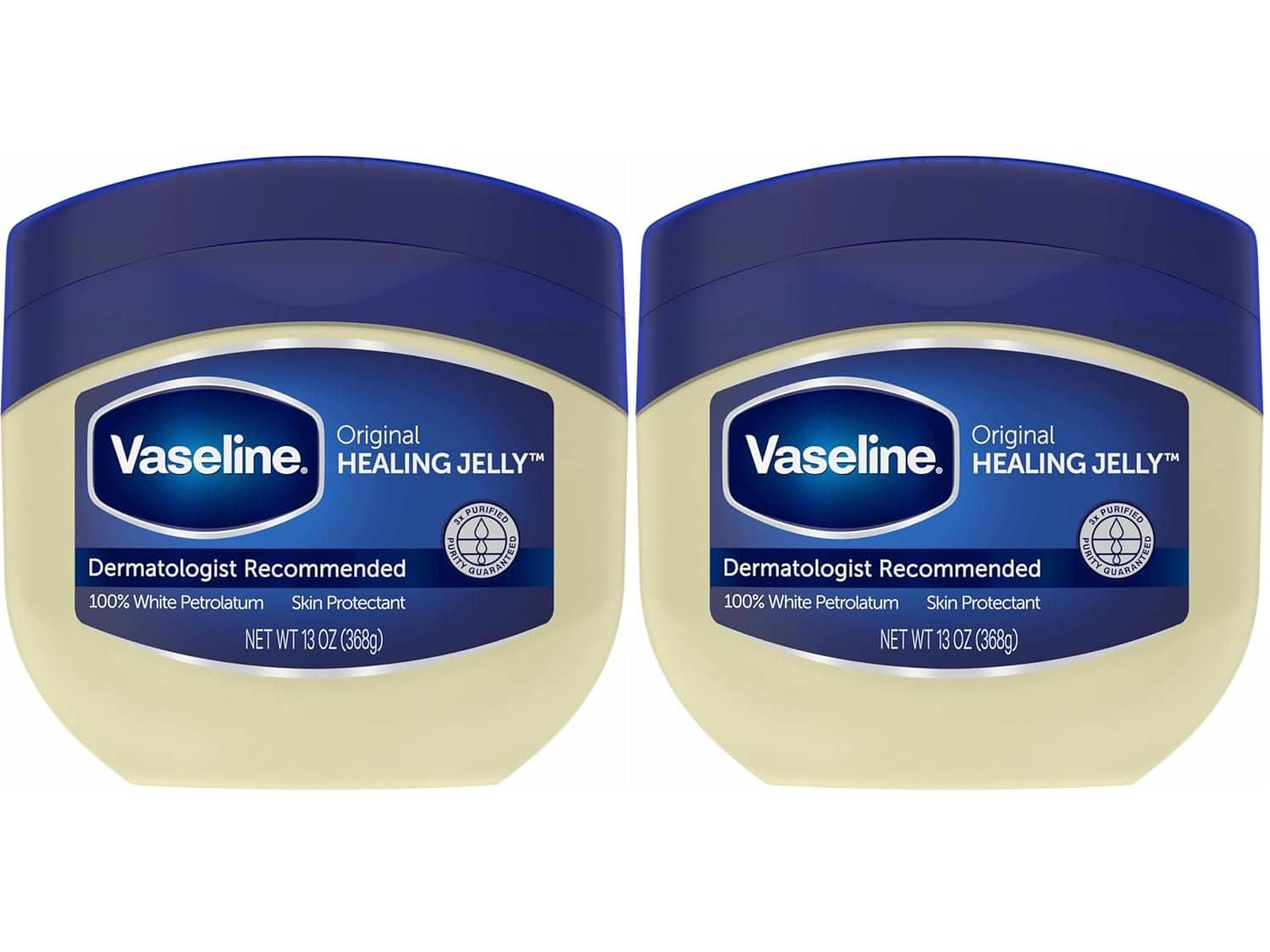
Petroleum Jelly (Vaseline)
Works the same as coconut oil but thicker—stays in place on vertical surfaces. Good for wax on hands, arms, or face. Rub into the wax, let it sit for a minute, then wipe off.
Check Price on Amazon- Let the wax cool and harden on your skin. Don’t try to wipe hot wax—you’ll spread it and risk a burn.
- Rub coconut oil, petroleum jelly, or olive oil into the wax. Work it into the edges where the wax meets your skin. The oil breaks the bond between wax and skin.
- Gently peel or wipe the wax off. It should slide off easily. For thick chunks, the oil loosens them enough to lift with your fingernail.
- Wash with warm soapy water to remove the oily residue. If there’s any dye left on your skin, rubbing alcohol on a cotton pad will remove it.
How to Remove Wax from Glass (& Candle Jars)
Wax on glass tables, windows, or inside candle jars is the easiest fix. Glass doesn’t absorb anything—the wax just sits on the surface. You can freeze it off, heat it off, or scrape it off. All three work.
Plastic Scraper
Removes hardened wax from glass without scratching. A razor blade works too, but plastic is safer for decorative or coated glass surfaces.
Check Price on AmazonGoo Gone
Dissolves the last thin film of waxy residue on glass. After scraping the bulk, a quick spray of Goo Gone and a wipe leaves the glass perfectly clean and streak-free.
Check Price on AmazonFor Glass Tables & Windows
- Let the wax harden, then scrape with a plastic scraper at a low angle. Most of it will pop right off glass.
- For remaining film, spray Goo Gone and wipe with a cloth. Finish with glass cleaner for a streak-free shine.
For Candle Jars
- Pour boiling water into the jar. The wax melts and floats to the top as the water cools. Once cool, the wax lifts out as a solid disc.
- Alternatively, put the jar in the freezer for 2 hours. The wax shrinks and pops out in one piece. Use a butter knife to lever it out if needed.
- Wipe the inside with Goo Gone or rubbing alcohol to remove the last residue, then wash with soap and water.
Hot water flip (popular on DIY forums): Place the candle jar upside down in a bowl of boiling water. The wax melts and floats out on its own. Zero scraping needed. Just let it cool before touching the jar.
How to Remove Wax from Walls
Wax splatter on painted walls needs gentle heat—not scraping. Scraping can pull off paint or leave gouges in drywall. A hair dryer is safer than an iron here because you can control the heat more precisely on a vertical surface.
Microfiber Cloths
Absorbs softened wax without scratching paint. Use a clean white cloth to avoid transferring dye onto the wall. Dampen slightly for better wax absorption.
Check Price on AmazonGoo Gone
Removes the greasy mark left after wax is gone. Safe on most painted surfaces. Test on a hidden spot first if you have matte or flat paint which is more sensitive.
Check Price on Amazon- Hold a hair dryer 4–6 inches from the wax on medium heat. Move in small circles to heat the wax evenly without overheating the paint.
- As the wax softens, wipe it off with a clean cloth. Work from the edges inward. The wax should lift off as it melts.
- For any remaining greasy mark, dab with Goo Gone on a cloth, then wipe clean with a damp cloth. For dye stains on white walls, a paste of baking soda and water works well as a gentle abrasive.
Don’t scrape wax off painted walls with a knife. Even a dull knife can gouge drywall or peel paint. The hair dryer method is slower but protects the surface. If the wall has wallpaper, use the lowest heat setting—high heat can loosen wallpaper adhesive.
How to Remove Wax from Wood, Hardwood Floors & Tile
Wax on floors is straightforward—but the technique depends on the surface type. Hardwood and wood furniture need gentle treatment to avoid scratching the finish, while tile and stone can handle more aggressive methods. The hardwood method below works the same for wooden tables, shelves, countertops, and any other sealed wood surface.
Plastic Scraper
Won’t scratch hardwood finishes or tile glaze. Use it flat against the floor at a low angle to pop off frozen wax chunks.
Check Price on Amazon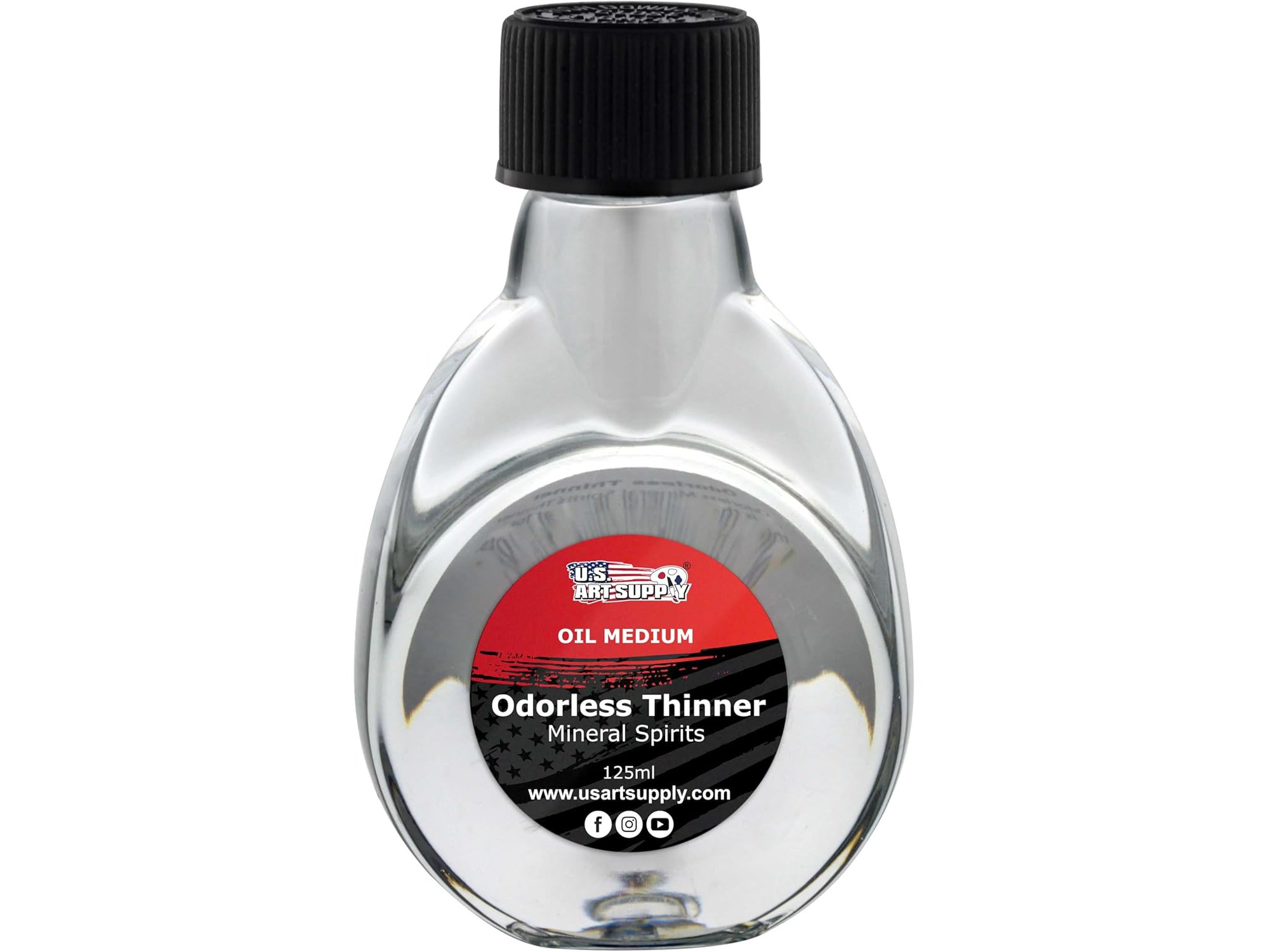
Mineral Spirits (Odorless)
Dissolves waxy residue without damaging hardwood finish. Apply a small amount to a cloth and wipe the area. Evaporates clean, leaving no oily film.
Check Price on AmazonFor Hardwood Floors
- Place a bag of ice over the wax for 10 minutes to freeze it solid. Wrap the bag in a towel to prevent water drips on the wood.
- Slide a plastic scraper under the wax at a low angle. It should pop off the sealed surface cleanly. Don’t dig into the wood.
- Wipe any remaining film with mineral spirits on a soft cloth. This dissolves the waxy residue without stripping the floor’s finish.
- Buff the area with a dry cloth and apply floor polish if needed to restore the shine.
For Tile & Stone Floors
- Freeze the wax with ice and scrape it off with a plastic scraper. Tile is durable—the wax should pop right off.
- For grout lines, use a hair dryer to soften the wax and wipe it out with a cloth. Wax in grout is harder to scrape because of the texture.
- Clean with warm water and dish soap to remove any residue. For natural stone (marble, granite), avoid vinegar—it can etch the surface. Use a pH-neutral stone cleaner instead.
Never use a metal scraper on hardwood floors. One scratch through the polyurethane finish creates a dull mark that’s visible from across the room. Plastic only. If the wax has penetrated into unsealed wood, you may need to sand and refinish the area.
Frequently Asked Questions
Does hot water remove candle wax?
Yes, on hard surfaces and sturdy fabrics. Boiling water works great for candle jars, glass, and heavy cotton. It melts the wax on contact. However, don’t use boiling water on carpet, delicate fabrics, or wood—the heat and moisture can cause damage.
Can you use a hair dryer instead of an iron?
Absolutely. A hair dryer on low-to-medium heat works for any surface where an iron is too risky—walls, upholstery, delicate fabrics, and carpet. It’s slower than an iron but gives you more control. Just hold a paper towel or cloth over the wax to absorb it as it melts.
Will candle wax stain clothes permanently?
The wax itself won’t, but the dye might. White and uncolored candle wax comes out completely with the iron method. Colored candles can leave a dye stain even after the wax is removed. Treat dye stains with rubbing alcohol or a stain remover before machine washing. The critical rule: never put the garment in the dryer until the stain is fully gone.
How do you remove colored wax dye after the wax is gone?
Rubbing alcohol is the most reliable option. Dab it onto the dye mark with a cloth and blot—don’t rub. For carpet, use a carpet stain remover like Folex. For white fabrics, oxygen bleach in the wash cycle can help lift stubborn dye. Always test on a hidden area first.
Can you put wax-stained clothes in the dryer?
No—this is the most common mistake. The heat from the dryer melts any remaining wax and spreads it deeper into the fabric, and it can permanently set dye stains. Always air-dry the garment after treating the stain, and only machine dry once you’ve confirmed the stain is completely gone.
Bottom Line: Candle wax is a patience problem, not a scrubbing problem. Let it harden, freeze it if you can, scrape the bulk, then heat the rest into a paper towel or cloth. Match the heat level to the surface—low for delicates and synthetics, medium for cotton and carpet—and never, ever put wax-stained fabric in the dryer.